
Reviewed · WALKING TOURS
Lausanne: Cultural and Historical Guided Walking Tour
Lausanne clicks into place on foot. This 3-hour guided walking tour gives you an easy map of the city, with a live English guide who explains what you are seeing and why it matters, especially around the Lausanne Cathedral area. I like how the walk hits major sights like La Louve and the Place de la Riponne, without turning into a checklist. I also love the pacing, because you get a café stop built into the experience, not as an afterthought. One consideration is that it is still a walking tour, and it is not a good fit if you cannot manage steps, heights, or steady walking.
You meet your guide at the Lausanne History Museum (MHL), right by the cathedral, so you start with a sense of place instead of wandering. Reviews highlight guides such as Ilona and Liliane for being warm, confident, and seriously good at sharing practical city context, including spots that even some locals might miss. Expect a route that moves through central squares and bridges like the Pont Chauderon and Grand Pont, plus a look at civic and cultural landmarks along the way. If you want to go deep into museum interiors, note that the tour does not include museum entrances, so you may pay extra if you want that.
In This Review
- Key things I’d focus on
- Where you start matters, and MHL is a smart choice
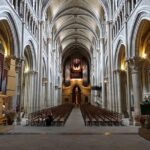
- Lausanne Cathedral and Place de la Riponne: your first city anchors
- Place de la Palud, town hall views, and Tour de l’Ale
- La Louve and Palais Rumine: culture without the museum ticket
- Pont Chauderon, Casino de Montbenon, and the Grand Pont payoff
- Gare stop and how to use your guide’s momentum
- Price and value: what $97 buys you
- What the café break is really for
- How long is enough time, and how to pace yourself
- Who this tour suits best
- Should you book this Lausanne guided walk?
- FAQ
- Where is the meeting point?
- How long is the walking tour?
- Is the tour guided in English?
- What are some of the main landmarks you will see?
- Does the price include a café stop?
- Are museum entrances included?
- Is public transport included?
- What should I bring?
- Is the tour suitable for wheelchair users or people with mobility impairments?
- What is the cancellation policy?
Key things I’d focus on
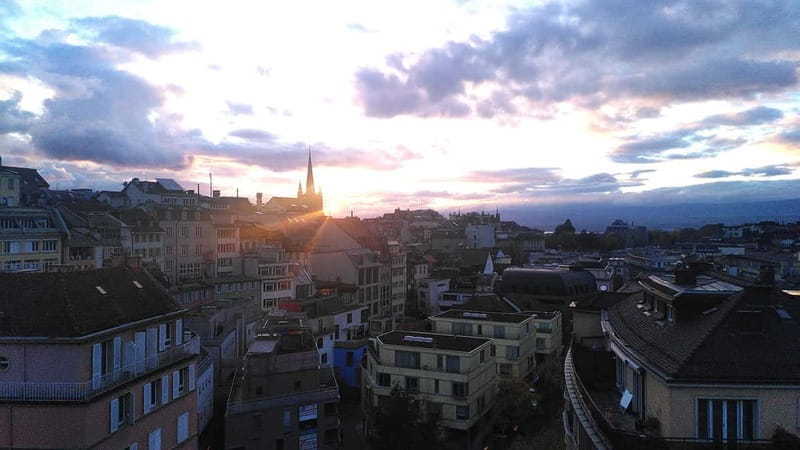
- Meeting at MHL by the Cathedral for a clean starting point and fast orientation
- Lausanne Cathedral, La Louve, and major squares to get the big picture quickly
- Historic café refreshment stop to catch your breath without losing momentum
- Bridges and viewpoints like Pont Chauderon and Grand Pont that connect the city’s parts
- A guide who adapts to your interests, weather, or group mobility limits
- English live commentary that helps you connect the dots as you walk
Where you start matters, and MHL is a smart choice
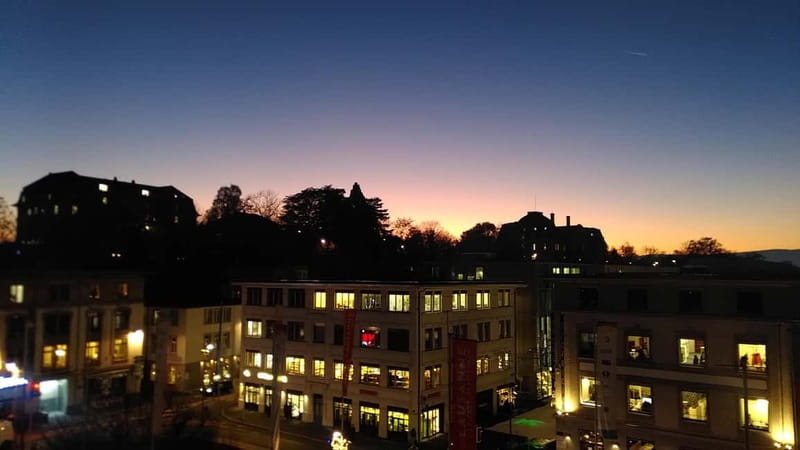
The tour starts outside MHL, the Lausanne History Museum, and you will be placed opposite the cathedral. That is a good setup. You are not meeting in a vague plaza where you wonder if you are at the right side of town. You are literally starting by one of Lausanne’s most recognizable landmarks, so the first minutes feel grounded.
From there, the guide leads you through a focused walking route that mixes city highlights with the kind of local context that turns architecture and street names into a story you can actually remember. This is the type of experience that helps you later when you are on your own, trying to figure out how neighborhoods connect and where the best walking routes go.
Lausanne Cathedral and Place de la Riponne: your first city anchors
The cathedral stop is not just about ticking off a famous building. It is your first major anchor, and your guide uses it to set the tone for Lausanne’s culture and history, in plain language you can follow while you walk. Even if you are not the type who reads every plaque, you will get a sense of what is important here and what to notice as you keep moving.
From the cathedral area, you shift to Place de la Riponne, another key node in the city. Squares like this are useful on a walking tour because they give you orientation fast. You can look around, understand where the main streets pull you next, and get your bearings without breaking your flow.
If you enjoy photo stops, this is where you can get those “I am actually here” shots. If you are short on time in Lausanne, getting these central reference points early helps you feel like you understand the city before lunch.
More Guided Walks in Lausanne
- Vine Stories: Lavaux & Lutry wine walk
★ 5.0 · 67 reviews - Walking Tour in Lausanne Switzerland
★ 5.0 · 13 reviews - Gourmet Food and Wine Tasting Walk in Lavaux
★ 5.0 · 11 reviews
Place de la Palud, town hall views, and Tour de l’Ale
Next up is Place de la Palud and the town hall area. This is a good part of the tour because it brings civic Lausanne into view, not just churches and scenic viewpoints. You learn about the city and culture as the guide connects landmarks to the way Lausanne functions.
Then the route goes toward Tour de l’Ale. A tower stop on a walking tour works well because it naturally gives you a sense of scale. Even if you do not go into any interior spaces, you can appreciate how the city built markers over time, and your guide can explain how that kind of landmark fits into Lausanne’s broader identity.
Practical tip: wear comfortable shoes and keep water handy. Stops like these often mean you will pause, look up, and reorient your camera angle. The tour is short enough that small comforts make the whole thing feel easier.
La Louve and Palais Rumine: culture without the museum ticket
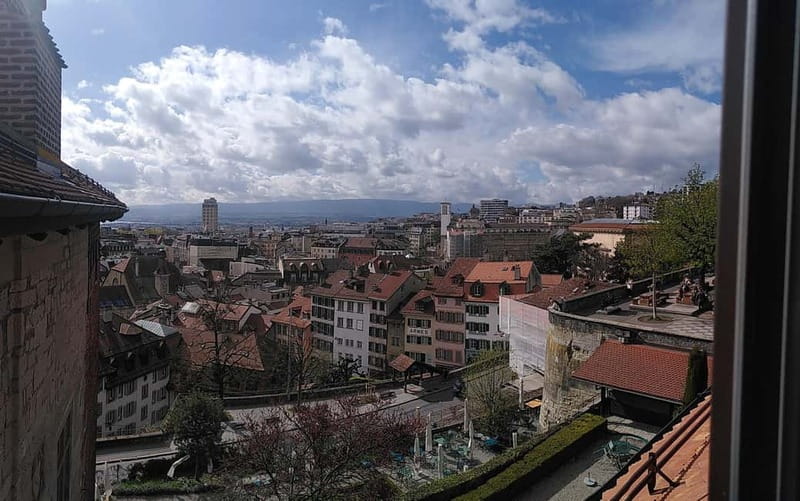
La Louve is on the highlights list, so you will see it as part of the main route. For a lot of people, a name like La Louve sounds like a place you just pass by, but this tour helps you slow down enough to notice it as a landmark. Your guide’s job is to give you context so it is not just a photo you later forget.
You will also see Palais Rumine. Even though the tour does not include museum entrances, it still matters that you get eyes-on impressions from the outside. That lets you decide later if you want to spend time inside on your own. It is a value play: you get the orientation and visual impact first, then you choose.
If you prefer experiences where you come away understanding what you saw, not just where you walked, this is a strong part of the itinerary. The guide’s commentary helps you connect the dots between buildings and city life.
Pont Chauderon, Casino de Montbenon, and the Grand Pont payoff
This is the section that tends to feel the most “Lausanne.” The tour includes Pont Chauderon and the Casino de Montbenon, then finishes with the big crossing at Grand Pont.
Bridges are underrated on walking tours. They force you to experience how a city is stitched together, and they often provide natural pause points where you can see more than one direction at once. On this tour, that matters because the route is designed to show you landmark connections, not isolated stops.
Pont Chauderon is a bridge moment where you can take in the structure and surrounding views while your guide explains what to watch for. Then you move to the Casino de Montbenon. I like that the tour does not stay only in the oldest-looking streets. It mixes cultural and civic landmarks so the city feels layered instead of frozen in time.
Finally, Grand Pont is a real payoff stop. It is one of the most memorable elements of the walk because it is a strong landmark and it gives you a clear sense of movement through Lausanne. If you are the type who enjoys a clear ending point to a city tour, this is a good one.
Gare stop and how to use your guide’s momentum
The tour also includes a stop at the Gare area. That might sound purely practical, but it is actually helpful. Ending (or near-ending) around a major transport hub is smart because it reduces stress. You can plan your next step, whether you head back to your hotel, connect to another part of town, or just use the momentum to keep exploring.
One detail that shows up in guide feedback is that good guides do more than recount history. Ilona, in particular, earned praise for being personable and for giving recommendations for the next day. You can use that mindset even if you have no idea what you want to do next. Ask your guide one simple question like what area you should walk to on your own the day after, and what time you would go.
You might find the best plan is not a long list. It is one or two neighborhoods and a single good meal, based on what you saw during the tour.
More History Tours in Lausanne:
- Historic Lausanne: Exclusive Private Tour with a Local Expert★ 4.0 · 5 reviews
- Zürich Historic District Tour★ 5.0 · 206 reviews
- Lucerne: 1-Hour Historical Tour with Night Watchman★ 5.0 · 122 reviews
- Basel Historical Old Town Tour★ 4.0 · 99 reviews
Price and value: what $97 buys you
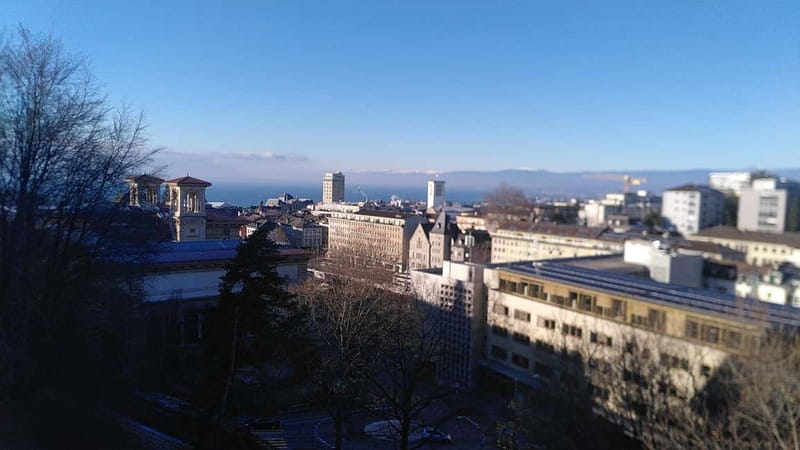
At $97 per person for about 3 hours, you are paying for a live English guide and a route that focuses on major landmarks and city orientation. This is not an expensive add-on if you compare it to paying separately for museum tickets, transport, and the time you would spend trying to guess the best order to see things.
Here is what makes the value feel real: you get several top sights (Lausanne Cathedral, La Louve, Place de la Riponne, Place de la Palud, Tour de l’Ale, Pont Chauderon, Grand Pont, and more) plus a built-in café refreshment stop if you need it. That café break is included, which helps you keep energy steady on a 3-hour walk.
What you should keep in mind is what is not included. Museum entrances are not part of this price. Public transport day passes are not included. Drinks during breaks are not included. So if your dream day in Lausanne includes lots of indoor time, you will need to budget for that separately.
Still, if you want a smart first taste of Lausanne, this tour is priced in a way that feels reasonable for what you actually get: guidance, key sights, and context in a short window.
What the café break is really for
You can stop at one of Lausanne’s historic cafés during the tour if required. This is not a “shopping mission” or a long sit-down event. It is there so your group can reset, drink something if needed, and avoid that late-tour slump where everyone becomes a little less attentive.
The best way to use this pause is to treat it like a mini planning moment. Check your phone for transit options, confirm what you still want to see, and consider asking your guide for one practical recommendation you can handle independently after the tour.
If you are sensitive to walking time, the café stop also gives a predictable breathing point. Just note that drinks are not included, so bring a little extra cash or be ready to pay directly.
How long is enough time, and how to pace yourself
The tour runs about 3 hours. For a city like Lausanne, that is often the sweet spot between “too short to matter” and “too long to enjoy.” You get a meaningful route, not just a couple of quick stops.
To get the most out of it, move at the walking speed of your group. Do not rush ahead for photos, because the tour is set up as a sequence, and your guide’s commentary relies on everyone staying roughly together.
Bring a camera and water, and dress for weather. Since you will be outdoors for long stretches, good footwear matters more than you might expect.
Who this tour suits best
This is a great choice if you:
- want a structured overview of Lausanne’s key landmarks in a short time
- enjoy learning from a live guide in English
- like walking routes that combine squares, civic buildings, and bridges
- want help figuring out what to do next, not just what to see
It is not a great choice if you:
- need wheelchair access or have significant mobility impairments
- are afraid of heights, since the route includes bridge and elevated-feeling viewpoints
- have altitude sickness concerns
- want museum entrances included, because those are not part of the tour
Should you book this Lausanne guided walk?
If you are spending limited time in Lausanne and you want your first experience to make sense, I think this is an easy yes. You get the kind of orientation that helps the rest of your trip click into place: Lausanne Cathedral, La Louve, central squares, and the bridges that connect the city’s main sections.
Book it if you like walking with a guide and you want practical context, plus a café pause to keep things comfortable. Skip it if you already know Lausanne well and mostly want indoor museum time, because this tour is built around walking and landmark viewing.
FAQ
Where is the meeting point?
Meet outside MHL, opposite the Cathedral.
How long is the walking tour?
The tour lasts 3 hours.
Is the tour guided in English?
Yes, it is a live tour guide in English.
What are some of the main landmarks you will see?
You will see Lausanne Cathedral, La Louve, Place de la Riponne, Place de la Palud and the town hall, Tour de l’Ale, and Grand Pont, along with other stops like Palais Rumine, Pont Chauderon, Casino de Montbenon, and the Gare.
Does the price include a café stop?
Yes, there is a refreshment stop at one of Lausanne’s historic cafés if required.
Are museum entrances included?
No, entrance to museums is not included.
Is public transport included?
No, a day pass for public transport is not included.
What should I bring?
Bring comfortable shoes, a camera, water, and weather-appropriate clothing.
Is the tour suitable for wheelchair users or people with mobility impairments?
No, it is not suitable for people with mobility impairments or wheelchair users.
What is the cancellation policy?
You can cancel up to 24 hours in advance for a full refund.
Added lately around Lausanne





Walking Tours, compared.
Zurich Walking Tour With Cruise and Aerial Cable Car
Read our review →
Lucerne Walking & Boat Tour: The Best Swiss Experience
Read our review →
3 in 1: Zurich Walking Tour – Cruise on the Lake – Cable Car Ride to Felsenegg
Read our review →Browse the lists this tour appears in