
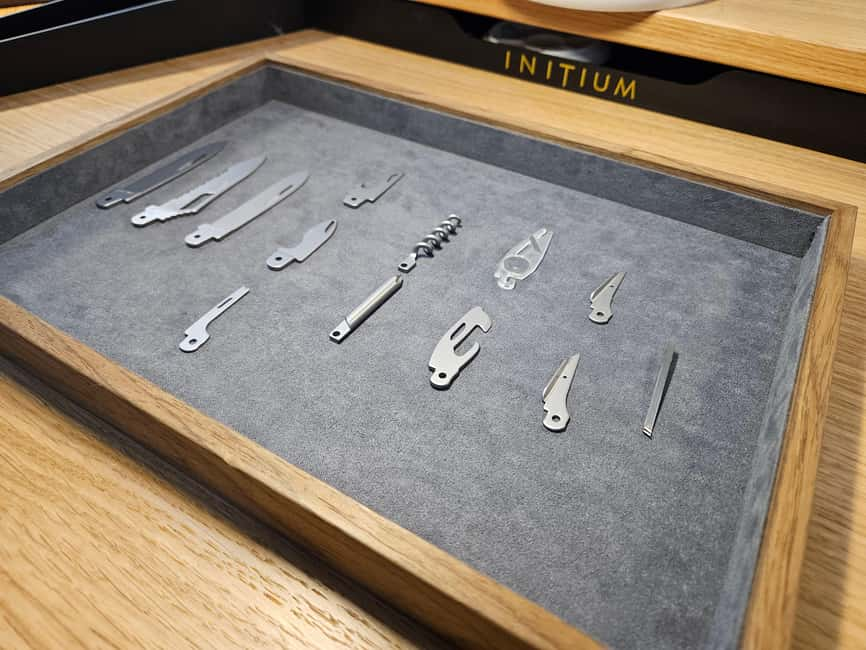
Reviewed · WORKSHOPS
Geneva or Le Noirmont: Swiss Pocket Knife-Making Workshop
A pocket knife, made by you, in Jura. This 2-hour Swiss workshop pairs hands-on knife assembly with customizing your knife down to the details, plus a short history lesson so it feels more than a gadget purchase. You get expert guidance the whole time, and you leave holding a SWIZA Swiss multi-tool knife you assembled yourself.
I especially like the mix of practical skills and cultural context, because it turns a souvenir into something you understand. The main consideration is simple: it costs $252 for a focused 2-hour session, so it’s best if you genuinely want to make and learn, not just watch.
In This Review
- Key highlights you should care about
- Where You’ll Make It in the Jura (Geneva vs. Le Noirmont)
- The 2-Hour Flow: From Swiss Knife History to Final Assembly
- Customizing Your Knife Like a Pro, Without Needing Prior Skills
- Why the SWIZA Take-Home Matters (And What You’re Really Paying For)
- Getting the Most Out of Instruction in English or French
- Tips for First-Time Knife Makers in the Jura
- Who This Workshop Is For (And Who Might Skip)
- Should You Book This Swiss Pocket Knife Workshop?
- FAQ
- How long is the Swiss pocket knife-making workshop?
- Where does the workshop take place?
- What is the price per person?
- What will I take home?
- What’s included in the workshop fee?
- What is not included?
- What languages are available?
- Is the workshop wheelchair accessible?
- Can I cancel for a refund?
Key highlights you should care about
- Assemble a Swiss pocket knife yourself with instructor guidance, not just a demonstration
- Customize every detail so your finished knife feels personal
- Learn Swiss knife history and craftsmanship as part of the workshop flow
- Take home a high-quality SWIZA multi-tool you helped put together
- English and French instruction for comfortable participation
- Wheelchair accessible so more travelers can join in
Where You’ll Make It in the Jura (Geneva vs. Le Noirmont)
This experience is based in the Jura region of Switzerland, with options tied to Geneva or Le Noirmont. That matters because your “how do I get there” question can change the whole day. If you’re staying near Geneva, you’ll likely find the logistics easier. If you’re already in the Jura area, Le Noirmont may feel like less travel time and less hassle.
The meeting point can vary depending on which option you book, so don’t assume it is the same place every time. I’d plan your arrival like a pro: give yourself buffer time, and double-check the exact location close to your start time. In a workshop this short, being late can squeeze your hands-on time.
Also note the languages: instruction is available in English and French. If your French is basic, you’ll still be fine in English. If you prefer French, you can take advantage of the chance to follow along in a more local way.
The 2-Hour Flow: From Swiss Knife History to Final Assembly
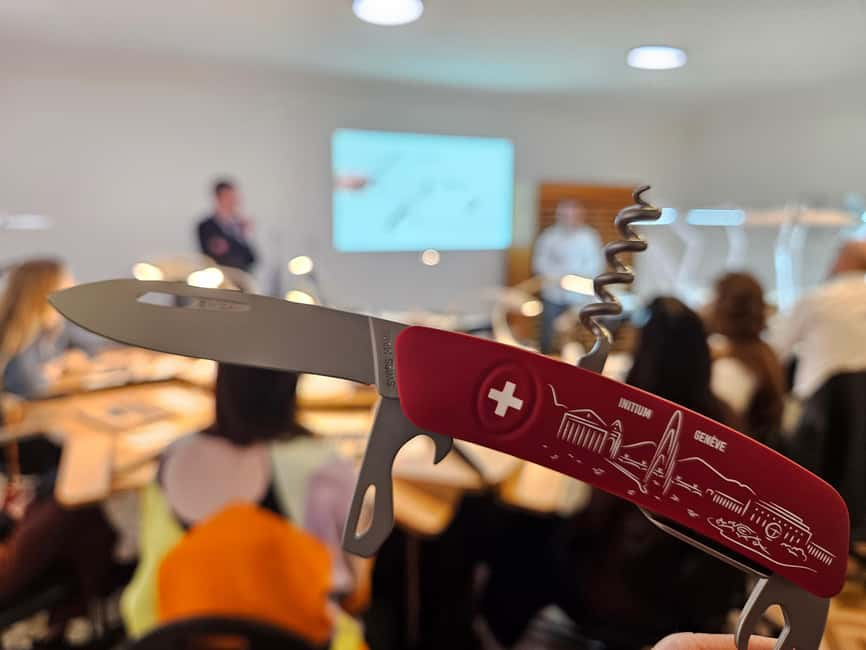
The workshop lasts 2 hours, and that’s the whole point. You’re not signing up for a long course. You’re signing up for a focused session that goes from story to skill to a take-home result.
In the beginning, you spend time on the history and craftsmanship of Swiss knives. That part is more useful than it sounds. Swiss knives are not just made for convenience. They became famous because of practical design, reliable materials, and the tradition of compact tools that fit real life. Getting that context early helps you appreciate what you’re assembling later, instead of treating it like random parts.
Then you move into the main event: assembling your own pocket knife under expert guidance. The workshop is designed so you can learn the steps and master the gestures, even if you have zero prior experience with knife mechanisms. The instructors are there to guide you through the assembly process, so you’re not left wrestling with tiny components on your own.
Finally, you leave with your own assembled knife. That matters because you don’t walk out with a certificate or a photo. You walk out with a functional SWIZA Swiss multi-tool knife that you built.
Practical tip: in a 2-hour format, patience pays. If something feels fiddly, slow down and follow the instructor’s pace. Trying to rush can turn a fun build into frustrating minutes.
More hands-on sessions in Switzerland:
- Private Ski Lessons – 3 hours Zermatt
★ 5.0 · 279 reviews - Berner Oberland: Swiss Half Fare & STS Holder 2nd Class Pass
★ 4.7 · 150 reviews - Private Ski and Snowboard Lessons – 3 hours Verbier
★ 5.0 · 46 reviews
Customizing Your Knife Like a Pro, Without Needing Prior Skills
This workshop is built around the idea that you should be able to make the knife truly yours. You customize every detail of your knife, and the process is supported by expert instructors, which helps a lot if you’re nervous about “doing it wrong.”
What does customization mean in practice? You’ll be assembling components provided for the session and tailoring the configuration options available in the kit. The key is that you’re not just picking one fixed model and calling it personal. The workshop is set up to give you choices so your final Swiss multi-tool reflects your preferences.
I like this approach because it avoids the common souvenir trap. A typical shop purchase gives you something you didn’t create. Here, you get a tool that carries your choices, your effort, and your learning. Even if you treat it as a desk tool or occasional travel companion, it feels more meaningful because you understand what’s inside and why it works.
One more thing: Swiss knife craftsmanship is about precision. Assembly guidance is essential. You’re learning the steps and the feel of correct setup under supervision. That is the difference between an enjoyable hands-on project and a frustrating kit build.
Why the SWIZA Take-Home Matters (And What You’re Really Paying For)
The price is $252 per person for a 2-hour workshop. At first glance, that can feel steep if you compare it to a regular craft activity. But the included value changes the equation.
What’s included:
- The guided knife-making workshop
- Materials to assemble your Swiss pocket knife
- Expert guidance on assembly
- History and craftsmanship of Swiss knives
- A take-home SWIZA Swiss multi-tool knife
So you’re not only paying for instruction. You’re also paying for the materials and the final product, which is a high-quality SWIZA knife you assembled. That turns the session into a buy-one-thing-with-a-lesson combo, but without the usual “lesson” feeling forced or generic.
What’s not included:
- Transportation to the workshop location
- Meals and drinks
I’d treat that as your reminder to plan the rest of the day. If you’re hungry or relying on a tight schedule, it can be annoying. Still, the workshop is short, so most people can slot it into a half-day plan without stress.
The best value move is to consider this as an investment in something you’ll use. If you like practical Swiss design, a multi-tool is the kind of item that gets carried, used at home, and pulled out for everyday tasks. That’s where the price starts making sense.
Getting the Most Out of Instruction in English or French
You don’t need advanced technical skills, but you do need to pay attention. Since the workshop includes history, craftsmanship, and assembly guidance, you’ll get more out of it if you actively ask questions.
The instructor language is English and French, so if you want to understand the “why” behind the steps, use your language preference. If you’re comfortable with one language more than the other, stick to that. It’s easier to keep pace when explanations match your comfort level.
Wheelchair accessibility is listed, which is a big plus. It suggests the setup is designed for participants with mobility needs. Still, I recommend you confirm any specific assistance needs with the provider when you book, since practical details like entry and seating can vary by room even when a venue is accessible.
Tips for First-Time Knife Makers in the Jura
You can make this experience smoother with a few smart habits, especially in a 2-hour window:
- Wear comfortable clothing you can move in. You’ll likely be working closely with your workspace.
- Stay attentive during the history and craftsmanship talk. It helps you connect the assembly steps to the bigger Swiss knife tradition.
- Go one step at a time. If you mess up, stop and ask. Expert guidance is part of what you’re paying for.
- Treat the finished knife like a tool, not a novelty. Listen to any basic care and handling advice you’re given during the session, so your knife keeps working well.
Also, remember the session is designed to end with you leaving with your assembled SWIZA multi-tool. That means the workshop pace is set for completion. Your job is to follow their rhythm and take the guidance.
Higher up, or further along the lake:
- Lindt Home of Chocolate Museum Entry Ticket★ 4.7 · 9,329 reviews
- Zurich: Grindelwald, Interlaken & Lauterbrunnen Day Trip★ 4.6 · 7,123 reviews
- Zurich: City Tour, Cruise, and Lindt Home of Chocolate Visit★ 4.5 · 4,624 reviews
- Geneva: 50-Minute Lake Geneva Cruise★ 4.3 · 4,063 reviews
Who This Workshop Is For (And Who Might Skip)
You’ll probably love this workshop if you:
- enjoy hands-on crafts and want to build something functional
- like Swiss culture and want context, not just a product
- want a take-home item that feels personal because you assembled it
- prefer practical workshops where instruction guides you step by step
You might skip it if you:
- only want passive sightseeing and prefer not to work with tools or small parts
- are looking for a long, slow craft session. This is 2 hours, so it’s brisk by design
- want meals included. Meals and drinks are not part of the package
One more note on reviews: the activity shows a 5 out of 5 rating with one verified booking. That’s excellent feedback, but it’s also a small sample. When you book, focus on whether the format fits you, because the workshop is very specific in what it offers.
Should You Book This Swiss Pocket Knife Workshop?
Book it if you want a short, practical craft experience with a real result. The combination of guided assembly, Swiss knife history, customization, and a take-home SWIZA multi-tool is exactly what makes this feel worth your time. It’s also a strong option when you want a Jura experience that’s not just about views, but about craft.
Hold off if your plan needs meals included or you’re not in the mood for hands-on work. And do yourself a favor: make travel plans so you arrive early enough to settle in. In a 2-hour workshop, that comfort can make the difference between a fun build and a rushed one.
FAQ
How long is the Swiss pocket knife-making workshop?
The workshop lasts 2 hours.
Where does the workshop take place?
It’s in the Jura region of Switzerland, with options in Geneva or Le Noirmont. The exact meeting point can vary depending on the option booked.
What is the price per person?
The price is $252 per person.
What will I take home?
You’ll leave with your own assembled SWIZA Swiss multi-tool knife.
What’s included in the workshop fee?
You get the guided knife-making workshop, materials to assemble a Swiss pocket knife, expert guidance on assembly, and history and craftsmanship of Swiss knives.
What is not included?
Transportation to the workshop location and meals and drinks are not included.
What languages are available?
The instructor languages are English and French.
Is the workshop wheelchair accessible?
Yes, it is wheelchair accessible.
Can I cancel for a refund?
Yes. You can cancel up to 24 hours in advance for a full refund.
Added lately around Switzerland




Workshops, compared.

Berner Oberland: Swiss Half Fare & STS Holder 2nd Class Pass
Read our review →
Private Ski and Snowboard Lessons – 3 hours Verbier
Read our review →
HALF DAY 3-Hour Private Ski Lessons in Zermatt, Switzerland
Read our review →

Interlaken Cruise Day Pass Lake Thun and Lake Brienz, 2nd class
Read our review →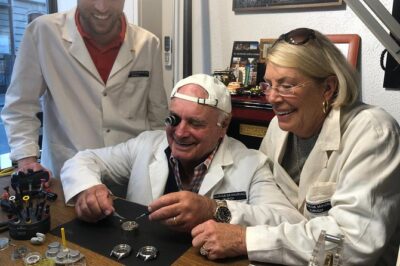
Browse the lists this tour appears in