
Reviewed · WORKSHOPS
Berner Oberland: Swiss Half Fare & STS Holder 2nd Class Pass
Unlimited rail days, no ticket math. The Berner Oberland Pass is built for people who want to roam the Bernese Oberland by train, bus, boat, and mountain railways without doing a fresh fare calculation every time you change plans. I especially like two things: the freedom to hop between Bern, Lucerne, and Interlaken on a single pass, and the payoff of included rides like steamboats on Lake Thun and Lake Brienz plus more than 25 mountain cable cars and railways. One drawback to plan around: this pass does not cover every inch of the big-ticket climbs to Jungfraujoch and Schilthorn, and some mountain routes can require supplements.
In practice, it feels like the region hands you a “yes” most of the day. You can start in essentially any town in the covered area, ride a lot, and only buy extra tickets for the specific missing segments. Just be sure you’re starting with the right Swiss discount setup, because this pass is priced as a reduction for people who already have a Swiss Travel Pass or Swiss Half Fare Card.
In This Review
- Key Things I’d Not Skip
- What the Berner Oberland Pass Covers, and Why 2nd Class Helps
- Choosing Your Trip Length: 3, 4, 6, 8, or 10 Days
- Where You Can Go From: Bern, Lucerne, Interlaken, and Beyond
- Lake Thun and Lake Brienz: The Included Steamboat Day That Changes Everything
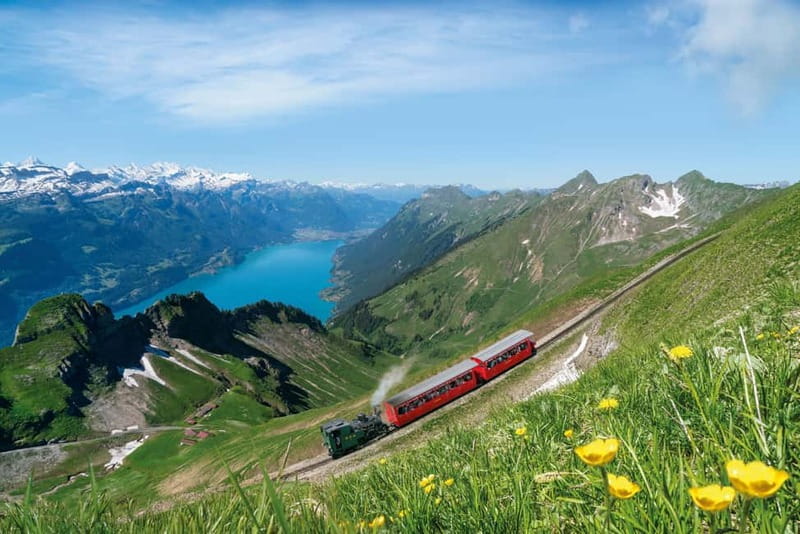
- Cable Cars and Mountain Railways: 25+ Included Rides, With a Real Warning
- The Big Two Swiss Draws: Jungfraujoch and Schilthorn Have Missing Segments
- Jungfraujoch coverage gap
- Schilthorn coverage gap
- The 10% to 100% Partner Discounts: How to Make Them Practical
- How It Feels to Use: Ticket Scanning, Digital Ticket, and Less Friction
- Price and Value: When $217 Makes Sense (and When It Might Not)
- Supplements, Seats, and Other Costs You Might Still Face
- Who This Berner Oberland Pass Fits Best
- Should You Book It: My Simple Decision Check
- FAQ
- Is this pass valid for 3 to 10 days?
- Which areas can I travel to with the Berner Oberland Pass?
- What modes of transport are included?
- Are steamboats included?
- Do I need a supplement for mountain excursions?
- Does the pass cover Jungfraujoch and Schilthorn completely?
- How do I use the ticket on trains and connections?
- Do I need a passport or ID card?
Key Things I’d Not Skip
- You get real mobility across Bernese Oberland for consecutive days (3, 4, 6, 8, or 10), so you can structure your trip around routes, not ticket purchases.
- Steamboats are included on Lake Thun and Lake Brienz, which makes at least one water day easy to justify.
- 25+ mountain cable cars and railways are included, though some require supplements, so check your exact ride.
- Jungfraujoch and Schilthorn have gaps, meaning you may need separate tickets for the specific missing portions.
- About 40 partner discounts (10% to 100%) can turn one or two paid attractions into something you feel good about.
- QR code and digital ticket use is designed to speed up boarding, and it keeps you from hunting for paper tickets.
What the Berner Oberland Pass Covers, and Why 2nd Class Helps
This pass is for unlimited travel in the Bernese Oberland area, in 2nd class, for a set number of consecutive days from April through December. The covered base region includes Bern, Lucerne, Interlaken, Saanen, and Brig, plus the Brig to Domodossola train line.
Why 2nd class matters: most people do not need first class comfort to enjoy mountain views and lake days. You’ll spend your time outside your seat anyway. You get the big thing you’re buying here, unlimited rides, without paying a premium for empty extra space.
You also get more than just “stay on the trains.” The pass includes steamboats on Lake Thun and Lake Brienz and more than 25 mountain cable cars and railways. That’s a huge deal because the mountains are where the costs can spike when you do point to point.
Choosing Your Trip Length: 3, 4, 6, 8, or 10 Days
You pick the pass duration up front: 3, 4, 6, 8, or 10 consecutive days. That “consecutive” part is key. If you know you’ll split your trip with a gap day elsewhere, this pass can stop being as efficient.
Here’s a practical way to choose:
- If you want mostly Bern plus one or two mountain day trips, a shorter option can work.
- If you plan multiple lifts and at least one steamboat day, you’ll usually feel the value more with 6 to 10 days.
Because the pass is valid only April to December, it’s also a seasonal tool. If you’re traveling in winter, you’ll need a different plan.
More hands-on sessions in Interlaken:
- Interlaken Cruise Day Pass Lake Thun and Lake Brienz, 2nd class
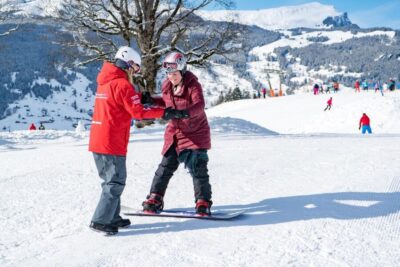
★ 4.0 · 31 reviews - From Interlaken: Afternoon Beginners Snowboarding Lesson
★ 4.9 · 29 reviews - Fondue Cooking Class and Cheese Workshop in Switzerland
★ 5.0 · 26 reviews
Where You Can Go From: Bern, Lucerne, Interlaken, and Beyond
I like that you can build your trip out of real hubs instead of guessing tiny stops. Bern gives you a historic base and quick connections. Lucerne pairs well with a calm day and then a mountain day when you want views. Interlaken is your launch pad for Jungfrau region style excursions.
Then you have the edges of the covered area: Saanen on one side, and Brig on the other. That means you can go “down and out” without paying for a whole separate ticket system.
One more detail that helps: the pass also includes the Brig to Domodossola train line. If your route naturally includes that direction, it can save you from a last minute workaround.
Lake Thun and Lake Brienz: The Included Steamboat Day That Changes Everything
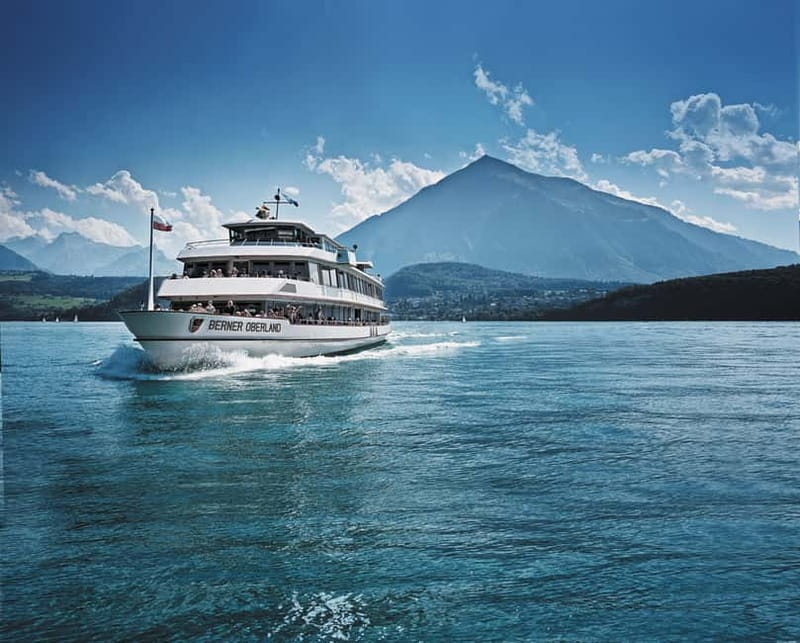
Steamboats are included on Lake Thun and Lake Brienz. This is one of the smartest “use it or lose it” parts of the pass, because it turns a scenic day into something structured.
Plan it like this:
- Pick one lake as your main day and use the pass to reach the dock towns.
- Keep your schedule loose around the boat time, then fill the morning or late afternoon with a cable car ride or another ride by train.
Even if you never “planned” to do a boat ride, once it’s included, you start thinking, okay, why not. That’s where this pass can feel better than a discount card you keep forgetting to use.
Cable Cars and Mountain Railways: 25+ Included Rides, With a Real Warning
This pass includes more than 25 mountain cable cars and railways. Names you’ll see in the system include major viewpoint routes like Harder Kulm and Brienzer Rothorn. Those are the kinds of rides that can turn a normal travel day into a memorable one.
But here’s the consideration you should not ignore: supplements may apply for certain mountain excursions. So even though a route is “included,” that doesn’t always mean “totally free in every possible variation.”
If you want to avoid surprises:
- When you pick a cable car or mountain railway, confirm whether any supplement applies for your exact travel option.
- Treat the pass as unlimited base transport plus included mountain rides, not a promise that every uphill ticket is $0.
Still, even with a few supplements, you’re usually saving money if you plan more than one lift day.
The Big Two Swiss Draws: Jungfraujoch and Schilthorn Have Missing Segments
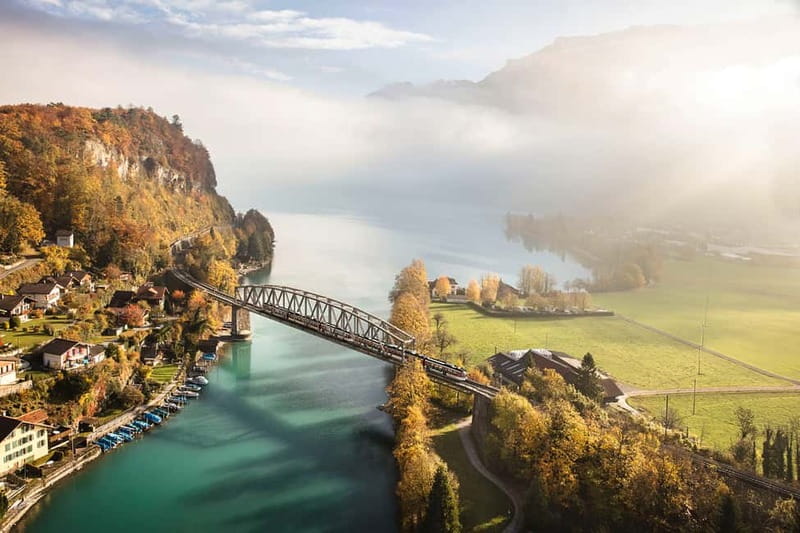
This pass gets you close to the headline destinations, but it does not fully cover every segment for two of the most famous rides.
A few more departures worth comparing in Interlaken
- From Zurich: Day Trip to Jungfraujoch – Top of Europe★ 4.8 · 2,378 reviews
- Interlaken: Tandem Paragliding Flight with Pilot★ 4.9 · 2,117 reviews
- Tandem Paragliding Experience from Interlaken★ 5.0 · 1,655 reviews
- From Interlaken: Guided Tour to Jungfraujoch – Top of Europe★ 4.7 · 1,649 reviews
Jungfraujoch coverage gap
The pass excludes parts of a Jungfraujoch excursion, specifically the segments listed as:
- Kleine Scheidegg to Jungfraujoch
- Eiger Gletscher to Jungfraujoch
Schilthorn coverage gap
For Schilthorn, the pass excludes the segment:
- Mürren to Schilthorn
What that means for you: you can still plan these days using the pass for the covered portions and regional transport, but you should budget for separate tickets for the missing uphill sections. It’s not a reason to skip the pass, but it is a reason to plan your day with intent instead of assuming the famous endpoint is fully covered.
A smart mindset: use the pass for the “get me into the system” travel and included rides, then buy the missing piece you still need to complete the climb.
The 10% to 100% Partner Discounts: How to Make Them Practical
Beyond transport and included lifts, the pass provides 10% to 100% discounts at about 40 attractions and activities. That’s the kind of benefit that can look vague until you connect it to your actual interests.
Here’s how I’d use it:
- Decide which attractions you actually care about before you arrive. Then, when you’re booking paid add-ons, check if they’re in the partner list.
- If you’re doing just one paid attraction, the savings might be small. If you’re mixing a few attractions on top of lift days, those discounts start to add up.
Also note: the pass mentions discounts linked with viewpoint areas that tie into Jungfraujoch and Schilthorn. If your plan centers on those peaks, you can often stack transport value with attraction discounts, not just with lift inclusions.
How It Feels to Use: Ticket Scanning, Digital Ticket, and Less Friction
The pass is not your official ticket in the classic sense. After you purchase, the local partner sends you a digital ticket within 72 hours. You’ll show it to the train manager.
What I like for day-to-day sanity is how “scan friendly” it sounds. People find it works smoothly on trains, and the practical tip is to follow the instructions in the message you receive. One useful habit: check your email, including spam or junk, because that’s where you might find the QR code details that help you board fast. Many travelers also print a QR code version so they’re not stuck searching on a phone with spotty service.
Also, the pass is designed to help you skip the ticket line for participating uses. In mountain towns, that can be the difference between “we’re on time” and “we’re waiting.”
Price and Value: When $217 Makes Sense (and When It Might Not)
You’re paying a set pass price (given here as $217 per person) for a travel tool that covers a lot of ground and several categories: trains, buses, boats, and mountain cable cars plus railways.
When the pass tends to win:
- You plan multiple lift rides (not just one big viewpoint).
- You will do at least one steamboat day on Lake Thun or Lake Brienz.
- You want the freedom to change your route because “the weather looks better over there.”
When it may feel less efficient:
- You plan to stay mostly in one town and do only one or two paid activities.
- Your trip is short and tightly scheduled, and you won’t realistically use the unlimited transport side.
A useful comparison point: if you’re already traveling with a Swiss Travel Pass or Swiss Half Fare Card, this pass acts like a “regional turbo.” You’re not replacing your Swiss pass, you’re adding regional coverage at a reduced rate tied to those Swiss fare products.
Also, one extra caution from the reality of the area: don’t assume your Swiss pass by itself automatically handles the Berner Oberland mountain costs in the same way. This pass exists because this specific region has its own included rides and discount structure. So if you want those cable cars and boats to be as painless as possible, get this pass as your Berner Oberland plan.
Supplements, Seats, and Other Costs You Might Still Face
Even though the pass is heavy on inclusions, there are still a few costs or limitations that you should expect.
- Seat reservation is not included. If a reservation is required for a specific train, you may need to handle that separately.
- Supplements may apply on certain mountain routes.
- Not everything about the big rides is included, especially the segments named for Jungfraujoch and Schilthorn.
- Personal expenses and local taxes are not included (standard travel reality).
If you travel with pets, dogs can travel for free with a supplement of CHF 30. If you travel with kids aged 6 to 15, a child pass is required for CHF 30 with a valid adult pass.
Who This Berner Oberland Pass Fits Best
This pass is a great match for:
- People who want structure-free days: ride in the morning, change plans in the afternoon, do a boat or lift when it fits.
- Viewpoint seekers who are okay with a bit of planning around the Jungfraujoch and Schilthorn gaps.
- Families who like the convenience of one ticket system instead of constant add-on purchases.
It may be less ideal for:
- Travelers who want a single base town only and minimal sightseeing beyond walking.
- People who are committed to only one or two fixed excursions and will likely buy a lot of separate tickets anyway.
Should You Book It: My Simple Decision Check
If your plan includes Interlaken and at least one mountain day, plus a steamboat on Lake Thun or Lake Brienz, I think the Berner Oberland Pass is worth serious consideration. The best value comes from using it as a travel system, not as a one-off discount.
But if you’re mostly doing one town with one view day, you might be able to save by buying single tickets. The pass shines when you stack several rides on it.
Also, if Jungfraujoch and Schilthorn are central to your trip, you can still book this pass. Just plan for the missing segments you’ll need to purchase separately.
FAQ
Is this pass valid for 3 to 10 days?
Yes. You can choose 3, 4, 6, 8, or 10 consecutive days. You should check availability for starting times.
Which areas can I travel to with the Berner Oberland Pass?
It covers travel in the Bernese Oberland region including Bern, Lucerne, Interlaken, Saanen, and Brig, plus the Brig to Domodossola train line.
What modes of transport are included?
The pass includes 2nd class public transportation by train, bus, and boat in the covered region, plus over 25 mountain cable cars and railways.
Are steamboats included?
Yes. Steamboats on Lake Thun and Lake Brienz are included.
Do I need a supplement for mountain excursions?
The pass includes more than 25 mountain cable cars and railways, but supplements may apply for certain routes. You should check your specific excursion.
Does the pass cover Jungfraujoch and Schilthorn completely?
No. It does not include partial routes for Jungfraujoch (Kleine Scheidegg to Jungfraujoch, and Eiger Gletscher to Jungfraujoch) and it does not include the partial route for Schilthorn (Mürren to Schilthorn).
How do I use the ticket on trains and connections?
This is not your official ticket. The local partner sends a digital ticket within 72 hours after purchase that you need to show, and it is intended to be scanned for access.
Do I need a passport or ID card?
You should bring a passport or ID card.
Added lately around Interlaken


Workshops, compared.
Private Ski and Snowboard Lessons – 3 hours Verbier
Read our review →
HALF DAY 3-Hour Private Ski Lessons in Zermatt, Switzerland
Read our review →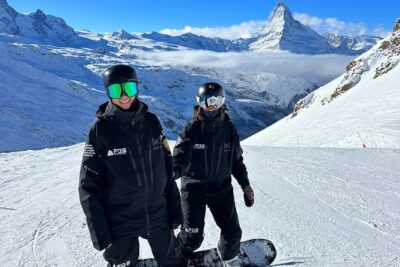
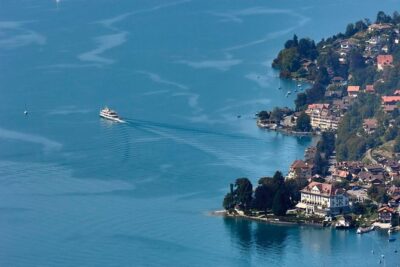
Interlaken Cruise Day Pass Lake Thun and Lake Brienz, 2nd class
Read our review →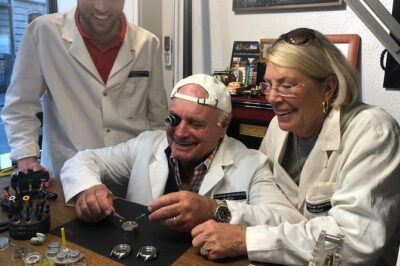

Fondue Cooking Class and Cheese Workshop in Switzerland
Read our review →Browse the lists this tour appears in