
Reviewed · WORKSHOPS
Geneva or Le Noirmont: Suisse Watchmaking Workshop
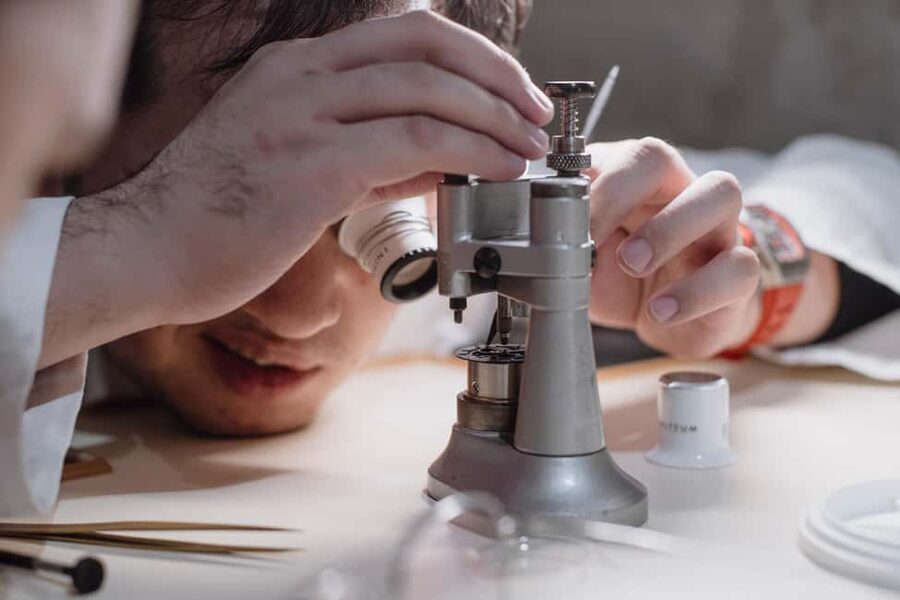
Four hours, one mechanical movement, big satisfaction. This Suisse Watchmaking Workshop in the Canton of Geneva is interesting because you get to work hands-on with real mechanisms, and you choose whether you start with a manual or automatic movement (ETA 6497, ETA 2892, or SW300). I also like the warm, human pacing, with a coffee and croissant before you touch anything technical, plus an ending that feels celebratory with an aperitif and a certificate in your name. One consideration: you do not take a watch home, so this is for the learning and the bragging rights, not for collecting a souvenir.
The structure is clear and practical. You begin with watchmaking history and technique explanations from a master watchmaker, then move into dismantling and reassembly with guidance, finishing with a drink and paperwork that says you did the work. The instructor supports English, French, and German, and the full session runs about four hours, so it fits nicely into a Geneva-area day.
In This Review
- Key highlights worth your time
- Geneva or Le Noirmont Watchmaking: What You’re Really Paying For
- The Four-Part Flow: Coffee, History, Hands-On Work, Celebration
- 1) Start with coffee and a croissant
- 2) Watchmaking history and technique explanations
- 3) Dismantle a mechanical movement with guidance
- 4) Reassemble, then celebrate with an aperitif and certificate
- Choosing Your Movement: Manual ETA 6497 vs Automatic ETA 2892 or SW300
- What the Workshop Teaches, Beyond Turning Screws
- No Take-Home Watch: What That Means for Your Trip
- Language Support: English, French, German
- Timing and Scheduling: How to Fit 4 Hours into Geneva Plans
- Price and Value: Is $452 Worth It?
- Who Should Book This Workshop
- Quick Practical Tips Before You Go
- Should You Book This Geneva Watchmaking Workshop?
- FAQ
- How long is the watchmaking workshop?
- Where does the workshop take place?
- How much does it cost?
- What movements can I work with during the workshop?
- Is a watch included to take home?
- What languages are available for the instructor?
- Can I cancel and get a full refund?
Key highlights worth your time
- Coffee and croissant welcome so your workshop starts relaxed, not rushed
- Hands-on dismantling and reassembly guided by a master watchmaker
- Choose your movement type (manual ETA 6497, automatic ETA 2892, or SW300) when you register
- History and technique explanations before you start turning screws
- Aperitif and a certificate in your name after the hands-on phase
- No take-home watch so plan to leave with knowledge, not a wrist upgrade
Geneva or Le Noirmont Watchmaking: What You’re Really Paying For
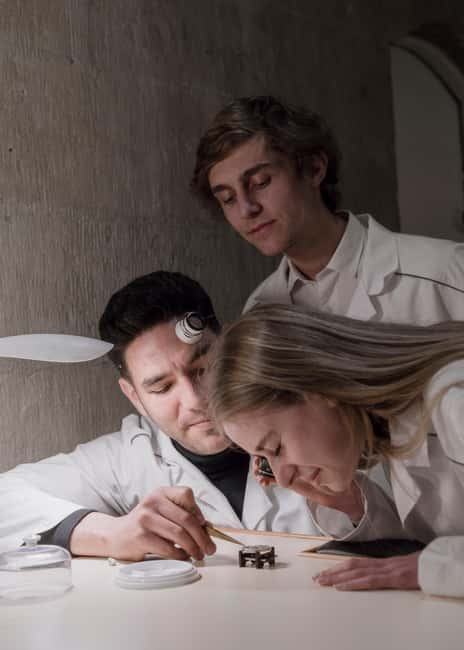
At $452 per person for a 4-hour workshop, you are paying for something that is hard to replicate on your own: expert coaching while you handle a mechanical movement, plus the learning context that makes those tiny parts make sense.
The value is not in a museum-style lecture. It is in the step-by-step experience: you learn the why, then you do the how. That matters because watchmaking is one of those crafts where theory alone feels abstract, and hands-on work alone can feel like magic tricks. Here, you get both in the same day.
I also like that the experience ends with an aperitif and a certificate in your name. That turns it from a random activity into something you can actually mark as an achievement. If you enjoy structured experiences with a clear before-and-after, you will probably appreciate this format.
The Four-Part Flow: Coffee, History, Hands-On Work, Celebration
Here’s how the session is designed to move from friendly to technical, then back to enjoyable.
More hands-on sessions in Geneva:
- Painting Master Class by the Geneva Lake
★ 5.0 · 9 reviews - Geneva: City Tour and Fondue Cooking Class, Swiss Folklore
★ 2.3 · 6 reviews - Private Ski Lessons – 3 hours Zermatt
★ 5.0 · 279 reviews
1) Start with coffee and a croissant
Before the tools and the tweezers, you get a warm welcome with coffee and a croissant. It sounds simple, but it sets the tone. Watchmaking is detail work. Starting with something familiar helps you settle in, ask questions, and get comfortable before anything small and delicate hits your fingertips.
If you tend to arrive hungry or stressed, this first step is a real kindness. You are not distracted by finding food or worrying you will get stuck waiting.
2) Watchmaking history and technique explanations
Next comes the theory. You get explanations about the history of watchmaking and the techniques behind how mechanical movements work.
This part is the difference between learning names of parts and understanding what you are doing. Even if you already know a little about mechanical watches, this stage helps connect the dots so dismantling and reassembly do not feel like random disassembly.
Think of it as mental calibration. When you understand the logic of how components fit together, you can follow the process more confidently and avoid forcing anything that does not want to move.
3) Dismantle a mechanical movement with guidance
Now you switch from learning to doing. With a master watchmaker, you dismantle a mechanical watch movement step by step.
I especially appreciate that you are not left alone with a bench and a prayer. The guidance piece matters. Mechanical movements are precise, and part of the learning is developing the right touch and the habit of working carefully.
One small detail that affects your experience: you can choose the movement type you want to initiate with when you register. That means you can aim for the approach that matches your interest, whether you are curious about manual or automatic setups.
4) Reassemble, then celebrate with an aperitif and certificate
After dismantling, you reassemble the movement. This is usually the phase that gives people a true sense of accomplishment, because you see how the system comes back together as a functioning whole.
When you finish, you celebrate with an aperitif and receive a certificate in your name. Again, this turns the experience into a tangible result. You are leaving with proof you completed a workshop, not just photos of tiny parts.
A few more departures worth comparing in Geneva
- Geneva: 50-Minute Lake Geneva Cruise★ 4.3 · 4,063 reviews
- Award-Winning Geneva Chocolate &Old Town Tour with Boat Ride (3h)★ 5.0 · 3,721 reviews
- Geneva: Scenic Lake Cruise with Snacks and Wine★ 4.4 · 1,503 reviews
- Chamonix & Mont Blanc Panoramic Sky-Glass Bus Guided Day Trip★ 4.0 · 1,324 reviews
Choosing Your Movement: Manual ETA 6497 vs Automatic ETA 2892 or SW300

One of the most useful decisions you can make here is which movement you want to begin with.
When you register, you can indicate a preference between:
- Manual ETA 6497
- Automatic ETA 2892
- Automatic SW300
Why this matters for you:
- If you like the idea of how power is managed in a manual system, the ETA 6497 option may feel more intuitive.
- If your curiosity leans toward automatic winding behavior and how it differs from manual, the ETA 2892 or SW300 choice is likely more satisfying.
Even if you do not know the differences yet, the fact that you can pick your movement type is a sign the workshop is designed with different interests in mind. You are not stuck with a single “one size fits all” model.
What the Workshop Teaches, Beyond Turning Screws
The workshop is clearly hands-on, but it is not just about getting through a procedure. The learning target is understanding how a mechanical movement becomes a system again.
Here’s what you should expect to gain:
- A practical mental model of how components relate to each other
- Better respect for why watchmaking tolerances are so strict
- Confidence to follow careful steps instead of rushing
- A clearer picture of what it means to maintain or work on a mechanical watch
I also like that the session includes both the history and the technique explanations. You will likely walk away thinking more like a watchmaker, not just like a tourist who attended a class.
No Take-Home Watch: What That Means for Your Trip
The workshop does not include a watch to take home. That one line changes how you should plan your expectations.
If you want a workshop souvenir, this may feel like a letdown. But if you want a meaningful experience, this is actually a feature. You are paying for instruction and time, plus the use of movements during the session. You are not paying for a product you might later regret or wonder how to maintain.
So the right mindset is: come for the skill, the certificate, and the satisfaction of understanding how a mechanical movement works. If that sounds like your kind of day, you will leave happy even without a new watch.
Language Support: English, French, German
The instructor can work in English, French, or German, depending on what you choose or what is available.
This matters because watchmaking instruction gets very specific. Terms for parts and actions are easier to follow when you can hear them in a language you fully trust. If your French or German is solid but not perfect, you can still likely choose your comfort language and stay focused on the work.
Timing and Scheduling: How to Fit 4 Hours into Geneva Plans
A 4-hour duration is a sweet spot. Long enough for real hands-on work, short enough that you can pair it with other Geneva-area plans.
To make the timing work well:
- Pick a session time that does not force you to rush food or transit.
- Treat the workshop as the main event of that half-day.
- Plan for a slightly mentally intense return to normal life after the final reassembly, because you will likely be thinking about the movement long after you stand up from the bench.
If you are doing this alongside sightseeing, aim for a buffer day or at least a calm schedule afterward. Your brain will be busy doing what it loves, sorting micro-details.
Price and Value: Is $452 Worth It?
Let’s talk money like an adult.
For $452 per person, you are getting:
- A master watchmaker guiding you through dismantling and reassembly
- History and technique explanations
- Coffee and croissant at the start
- An aperitif at the end
- A certificate in your name
- The movement initiation choice between manual and automatic options
What you are not getting:
- A watch to take home
So the value equation is mostly about whether you want real instruction and hands-on confidence. If you are a watch enthusiast, or you have ever taken apart something and thought, I want to understand this properly, then the price starts to make sense. You are paying for expertise and time, not just for sitting in a room.
If you are only casually curious and you want a low-cost “try it for fun” experience, this might feel steep. In that case, you could consider whether a simpler introduction better matches what you want to walk away with.
Who Should Book This Workshop
This is a strong match if:
- You love mechanical watches and want more than basic facts
- You enjoy learning by doing, with guided help
- You want a structured, four-hour craft experience in the Geneva area
- You like workshops that end with an actual certificate and a small celebratory moment
It may be less ideal if:
- You mainly want a shopping-style souvenir, like a watch at the end
- You prefer passive activities over focused manual work
- You are short on time and need something much shorter than four hours
Quick Practical Tips Before You Go
A few small moves will help you get more out of the time you spend with the movement:
- Choose your movement type preference when you register, based on what you are most curious about: manual ETA 6497 or automatic ETA 2892 or SW300.
- Come ready to concentrate. This is detailed work, and you will get better results if you are not multitasking mentally.
- Ask questions during the explanation phase. If something seems unclear before you start dismantling, it is easier to resolve early than halfway through.
Also, plan for the fact you will not leave with a watch. If you are shopping for one during your Geneva trip, treat this workshop as the skill upgrade that makes future purchases smarter.
Should You Book This Geneva Watchmaking Workshop?
Yes, if you want a hands-on mechanical experience with real guidance, and you are the kind of person who enjoys understanding how things work at the component level. The strongest reason to book is the combination of history and technique explanations paired with dismantling and reassembly, then capped with an aperitif and a certificate in your name.
No, if you are looking for a take-home watch, or if you want a casual activity with minimal focus. The workshop is intentionally technical for a reason.
If you are choosing between Geneva-area experiences, this one fits well when you want something authentically Swiss, practical, and memorable, without needing a full-day commitment.
FAQ
How long is the watchmaking workshop?
It runs for about 4 hours.
Where does the workshop take place?
It is in the Canton of Geneva, with the location listed as Geneva or Le Noirmont.
How much does it cost?
The price is $452 per person.
What movements can I work with during the workshop?
When you register, you can choose a preference between a manual ETA 6497 or automatic ETA 2892 or SW300 for your session.
Is a watch included to take home?
No. A watch to take home is not included.
What languages are available for the instructor?
The instructor can teach in English, French, and German.
Can I cancel and get a full refund?
Yes. You can cancel up to 24 hours in advance for a full refund.
Added lately around Geneva







Workshops, compared.


Berner Oberland: Swiss Half Fare & STS Holder 2nd Class Pass
Read our review →
Private Ski and Snowboard Lessons – 3 hours Verbier
Read our review →
HALF DAY 3-Hour Private Ski Lessons in Zermatt, Switzerland
Read our review →

Interlaken Cruise Day Pass Lake Thun and Lake Brienz, 2nd class
Read our review →

Browse the lists this tour appears in