
Reviewed · WALKS WITH A LOCAL GUIDE
Discover Lausanne’s highlights with a local guide (EN)
Lausanne feels different when a local leads. With Kilian Megret, you get a walk built on history, street-level context, and stories that make the city click fast.
Two things I especially like: the way he connects major sights to daily life, and the small group size that keeps the pace human.
I also like that you can steer the tour a bit, so it does not feel like a scripted lecture. You come away with practical pointers for what to do next in Lausanne and around Vaud. A fair consideration: the route includes cobblestones, some stairs, and uphill bits, so comfortable shoes and a moderate walking level matter.
In This Review
- Quick takeaways
- Starting at Place St-François, right in the flow
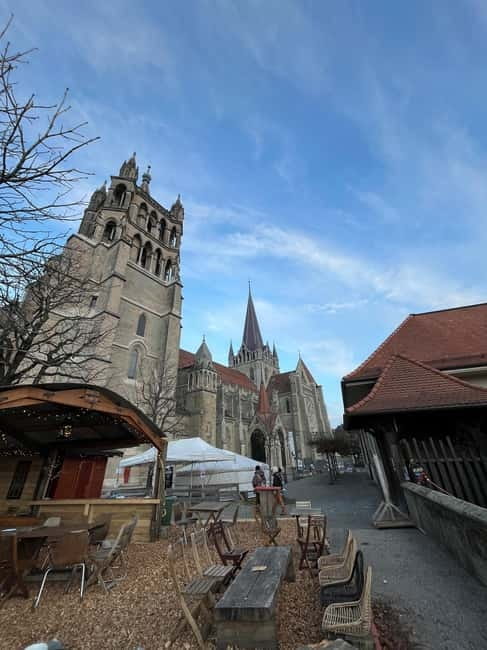
- Lausanne Cathedral: Gothic walls, plus the views that make it worth it
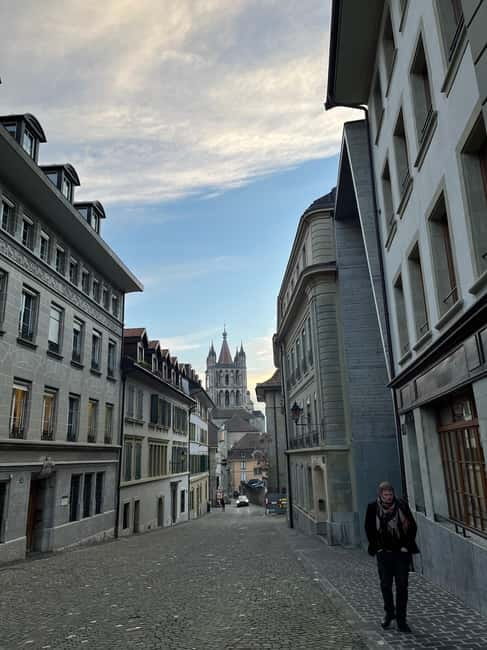
- Rue du Bourg and Rue du Rotillon: where medieval Lausanne still shows through
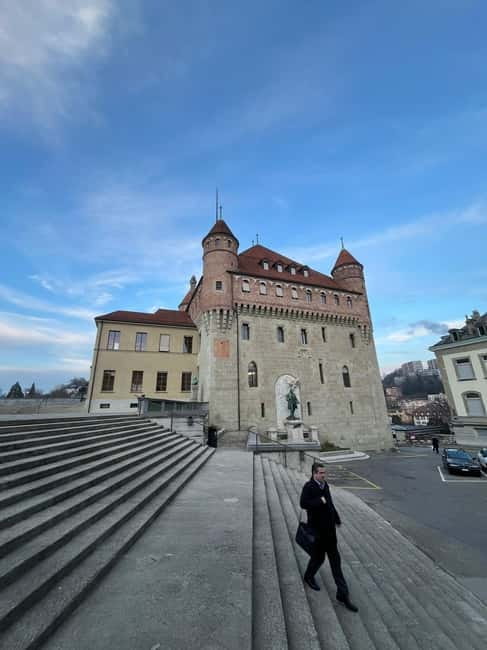
- St-Maire Castle and the Parliament: power in plain sight
- Palais de Rumine: science housed in a memorable building
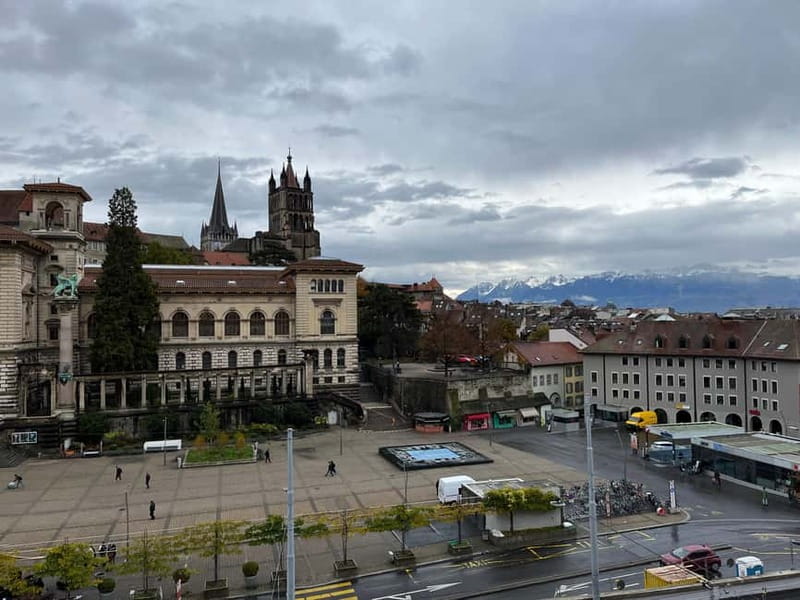
- Palud Square and Town Hall: the civic heartbeat
- Pont Bessières and Rue Centrale: moving from old to newer Lausanne
- Flon district and street art: modern life with a sense of place
- Montbenon Hill and the finish near Passerelle Lucy-Dutoit
- Price, pacing, and the value of a guide who lives here
- What you should bring, and the terrain reality check
- The optional coffee break, and why it can be smart
- Where to go next in Lausanne and beyond
- Who this tour suits best
- Should you book this walking tour?
- FAQ
- How long is the Lausanne walking tour?
- Where does the tour start?
- How big is the group?
- What languages are available?
- What is included in the price?
- Are museum entrances or paid attractions included?
- Is food included?
- Is the tour suitable for people with mobility impairments?
- Can I cancel for a refund?
Quick takeaways
- Kilian Megret as your guide: 17 years in Lausanne, speaking French, English, and German, plus lots of real local stories.
- Small group feel: usually 2 to 6 people, with a max that stays under 10 for a warm, personal pace.
- Big sights plus side streets: Lausanne Cathedral viewpoints, medieval lanes, and practical city navigation into places like Flon and Montbenon.
- Palais de Rumine time: you get context around this standout building for science in the city.
- End point near the Passerelle Lucy-Dutoit: your finish lands you in an easy spot to keep exploring on foot.
Starting at Place St-François, right in the flow
You meet at 2, place St-François in Lausanne, in front of Starbucks near St-François church. It is a smart meeting spot because you are already in the middle of the action, with easy walking connections to the historic core.
This matters more than it sounds. If you start centrally, you lose less time crossing the city and you spend more time actually seeing things. And since the tour is a walking tour, that time adds up. Plan on being there a few minutes early, especially in weather where shoes and jackets might need adjusting.
Kilian is easy to spot. The guide typically wears a straw hat, or you may receive a photo through WhatsApp so you can recognize him quickly.
Lausanne Cathedral: Gothic walls, plus the views that make it worth it
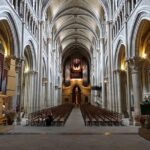
The first big guided stop is Lausanne Cathedral (Notre-Dame de Lausanne). You get about 20 minutes of guided time there, but the real payoff is how the visit is framed. This is not just a checklist of architecture. You also learn why the cathedral sits where it does and how its influence echoed through the city.
One of the best parts of a guided cathedral visit is context. You start noticing how the surrounding streets funnel people toward key places, and how power, religion, and city planning all overlap in a place like Lausanne. If you care about how cities actually work, this is the moment to lean in.
And yes, you also get the payoff for your camera. The cathedral area is known for breathtaking views, and the tour helps you understand what you are looking at, not just where to stand.
Practical note: you will likely be walking on uneven surfaces and dealing with changing elevation, so pace yourself on the way in. If you get out of breath, tell the guide. The tour is designed to move at your comfort level.
More Local Guide Walks in Lausanne
- Lausanne: Private custom tour with a local guide
★ 4.0 · 12 reviews - Lausanne: Private Walking Tour with a Local Guide
★ 4.8 · 10 reviews - Discover Lausanne’s most Photogenic Spots with a Local
★ 5.0 · 9 reviews
Rue du Bourg and Rue du Rotillon: where medieval Lausanne still shows through
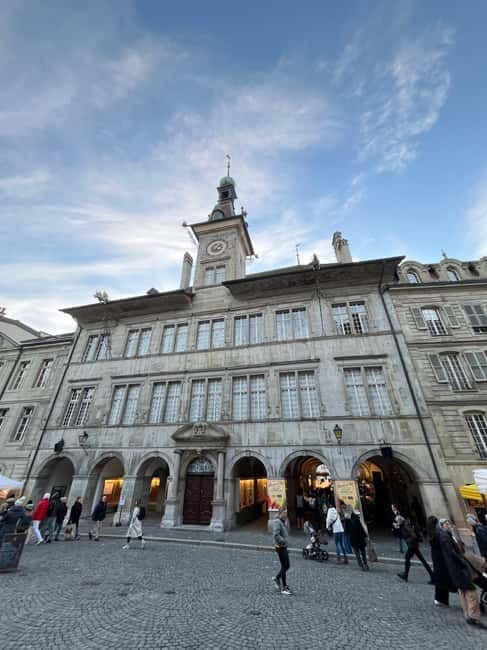
After the cathedral area, the route shifts into the lanes that feel like they belong to another century. You pass through places connected to Rue du Bourg and Rue du Rotillon, streets that mix old-world charm with everyday commerce.
I like this stage because it is where you stop seeing Lausanne as a set of landmarks and start seeing it as a layered city. Medieval streets do not just look pretty. They also shape how people move, shop, and gather. You begin to understand why certain corners feel tight, why some paths feel more natural, and why the city’s layout keeps tugging you forward.
This is also one of the segments where “stories” become more useful than facts. A good guide uses anecdotes to point you at the same kind of details you would otherwise miss. Here, that means small street cues, building edges, and the way old routes connect to newer roads.
St-Maire Castle and the Parliament: power in plain sight
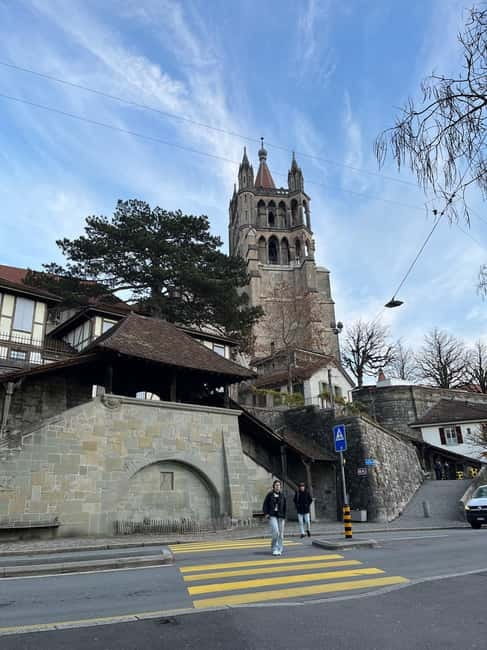
Next comes a historic seats-of-power stop: St-Maire Castle and the Parliament. This section is guided, about 20 minutes, and it helps you connect two things that often feel separate while sightseeing: architecture and governance.
If you have ever wondered why European city centers look the way they do, this part gives you an answer you can feel. You learn how institutions anchored themselves in specific buildings and how those choices shaped what came next.
A big plus here is that the tour does not treat politics as abstract. You get a sense of how the city’s leaders and the public sphere relate to the physical city, down to the spaces people pass through.
Palais de Rumine: science housed in a memorable building
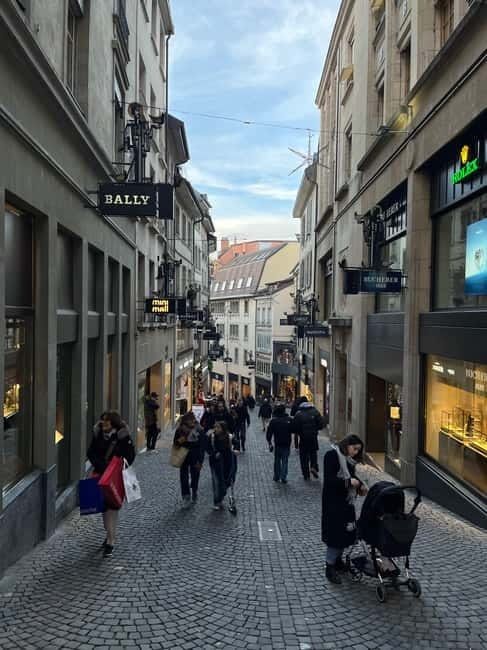
At around the middle of the walk, you spend time at Palais de Rumine. It is guided (about 20 minutes), and you get a sense of what this palace is about and why it matters in Lausanne’s cultural life.
I like this stop because it broadens the tour beyond old stone and scenic viewpoints. You get a taste of how Lausanne invests in knowledge, not only heritage. Even if you do not plan any museum entries, the building itself gives you a strong takeaway: this is a city that pairs history with learning.
One note to keep expectations grounded: entrance fees to museums or paid attractions are not planned during this visit. So what you get here is interpretation and context, not a full museum session.
Palud Square and Town Hall: the civic heartbeat
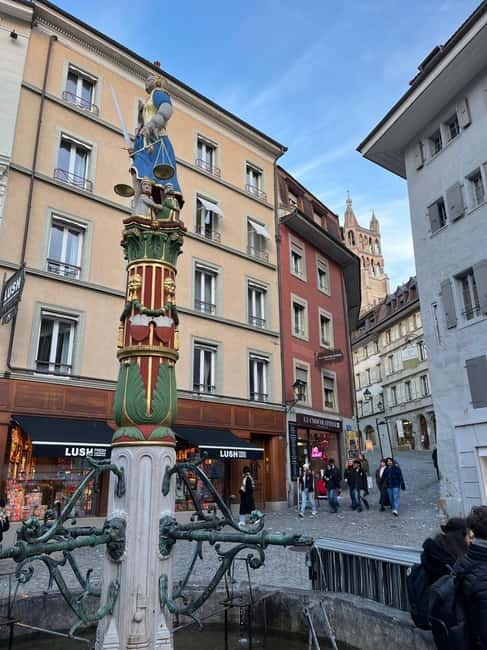
Then you reach Palud Square and the Town Hall, described as the civic heart of Lausanne. This is a great moment for a guide because this kind of place can look “important” without explaining why.
About 20 minutes of guided time helps you read the square. You learn what it represents and how daily life plays out around it. It is the kind of stop that makes you feel like you have better bearings, because you understand the role of the city center, not just the appearance of it.
If you like practical sightseeing, this is where you start thinking ahead. You begin to map in your mind which neighborhoods tie together and where you can naturally continue walking.
Higher up, or further along the lake:
- The Olympic Museum Entrance Ticket in Lausanne★ 4.5 · 211 reviews
- Lausanne: 3-Hour Riviera and Lavaux Region Cruise★ 4.2 · 185 reviews
- Lausanne: The Olympic Museum Entry Ticket★ 4.7 · 123 reviews
- From Lausanne: Glacier 3000 Experience Tour★ 4.6 · 96 reviews
Pont Bessières and Rue Centrale: moving from old to newer Lausanne
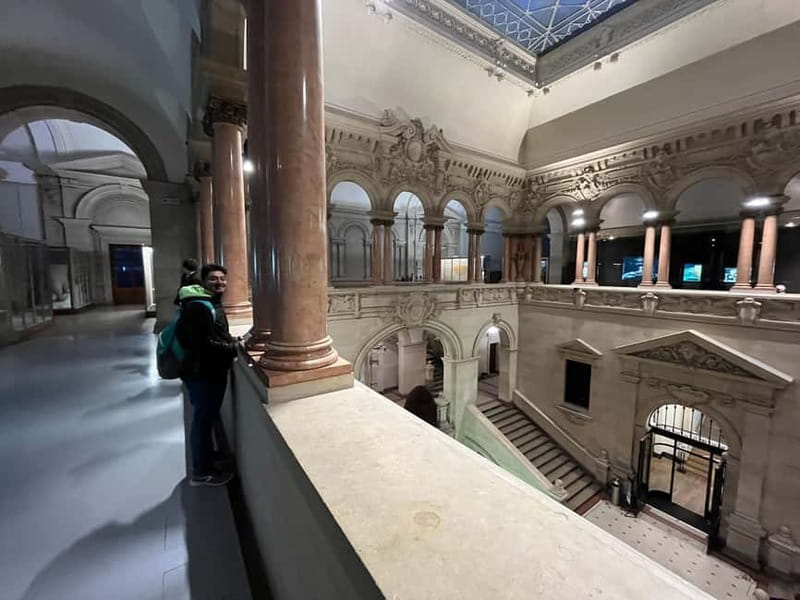
The tour also includes a bridge and street segment connected to Rue Centrale and Pont Bessières. Expect a shift in the feel of the city. It is the transition from older lanes toward streets that reflect more 20th-century character.
Why this matters: it helps you see Lausanne as a city that evolved, not a postcard frozen in time. Bridges are especially useful to understand that evolution, because they show how a city handles movement and connections.
You may also pick up details about how the city routes people, and how mobility shapes what you see at street level. In one case, the guide also explained how watercourses used to run, which added a fascinating layer to the city’s physical logic.
Flon district and street art: modern life with a sense of place
Next is Flon, described through modern architecture, street art, and lively culture. This part is guided and it usually helps people who think they are only coming for old buildings realize they are in for a more complete picture.
Flon works well on a walking tour because it changes your tempo. You go from formal squares and historic facades to streets where you can feel contemporary Lausanne moving. You notice details faster: textures, signs, how people gather, and how the urban design supports crowds without swallowing the human scale.
And because the guide is local, the time here is not only about what you see. It is also about what the city is trying to do, how neighborhoods function, and how you might explore on your own after the tour.
Montbenon Hill and the finish near Passerelle Lucy-Dutoit
The last leg brings you to Montbenon Hill, a leisure spot with a park, a courthouse, and views toward the lake. This is a smart final segment because it rewards effort with perspective. By now you have walked enough to appreciate the change in altitude.
The tour concludes near Passerelle Lucy-Dutoit (your finish point). This landing choice is practical. Bridges and viewpoints are not just pretty endings, they are also good starting points for your next walk.
If you are the type who likes to keep moving right away, this finish helps. You can head toward the lake or continue exploring nearby areas without hunting for a new transit plan.
In one real example from a recent group, the guide ended up stopping at the Casino de Montbenon area for warmth and food, which is exactly the kind of comfort-and-convenience bonus that can make a cool day feel easier. Not every tour will do the same thing, but it shows how flexible the experience can feel when the group needs a break.
Price, pacing, and the value of a guide who lives here
The price is $65 per person for a 2.5 hour walk. That is not a bargain-style price, but it is also not the kind of high-end private-guide rate that shocks you. For me, the value comes from what you do not get with self-guided walking.
You pay for:
- A guide who has lived in Lausanne for years, like Kilian Megret (17 years in the area).
- A route that balances major monuments and city texture, including passages and street sections you might skip.
- Stories and practical insights, including how infrastructure and urban development shape what you see.
Pacing is also part of the value. You are in a small group, usually 2 to 6, with max 10. That size lets you ask questions and adjust focus without slowing a large crowd.
Also remember: museums and paid attractions are not part of the plan. That can be a benefit or a drawback depending on your style. If you prefer guided context first and ticketed museum time later, this works well. If you want paid entries included automatically, you will need to add them separately.
What you should bring, and the terrain reality check
Come prepared. The tour runs in all weather conditions except extreme events, so you will want weather-appropriate clothing.
Bring:
- Comfortable shoes, because you will be on cobbled streets and some steps
- A camera or smartphone
- A reusable water bottle
- Light layers or a rain jacket, depending on your forecast
Also, the activity requires a moderate fitness level. There are uphill and downhill sections plus stairs. It can be adapted to a certain extent, but you should still expect some physical effort.
Two more practical notes:
- The tour is not suitable for people with mobility impairments or wheelchair users.
- It is also not suitable for hearing-impaired people.
The optional coffee break, and why it can be smart
There is time for an optional coffee break if you want one. This is useful if you are combining the tour with photos, or if the day is cold or rainy.
Even better, a coffee stop is where the guide can point you toward the best next steps. That is the kind of advice that matters, because it is based on what you just saw and what you seem most interested in.
Where to go next in Lausanne and beyond
One of the best bonuses is the tailored suggestions you get after the walk. When you finish at Passerelle Lucy-Dutoit, you are already in a place where you can keep moving.
If you want ideas, the guide can share options such as:
- Ouchy Lakeside Promenade for lake and Alpine views
- Olympic Museum and Park for Olympic spirit themed time
- Sauvabelin Tower for panoramic views from a wooden tower
- Hermitage Foundation for art and gardens in a historic mansion
- Lavaux Vineyards (UNESCO) for terrace views and wine landscape scenes
If you only have one extra half day, Ouchy Lakeside is usually the easiest choice to layer in right after the city walk. If you have a full day, Lavaux can turn your trip from “nice city” into “I remember this place forever.”
Who this tour suits best
This fits you if:
- You like guided walking tours that combine monuments with street-level context
- You want stories, not just photos and timestamps
- You enjoy asking questions in a small group
- You care about how a city’s infrastructure and development shape daily life
It might not be your best match if:
- You want long museum time with paid entrances included
- You need step-free routes
- You are very short on walking tolerance and cannot handle stairs
Should you book this walking tour?
I would book it if your goal is to understand Lausanne quickly and then wander confidently on your own. For a single 2.5 hour block, you get major sights like Lausanne Cathedral, institutional history around St-Maire, cultural context at Palais de Rumine, and a modern feel through Flon and the finish near Passerelle Lucy-Dutoit.
Book it especially if you value a guide who can connect viewpoints to how the city actually works. That connection is the difference between seeing Lausanne and getting why it is built the way it is.
If you tell me your travel dates and what you care about most (architecture, street art, lake scenery, or history), I can suggest a smart plan for the rest of your day around the tour.
FAQ
How long is the Lausanne walking tour?
The tour lasts about 2.5 hours, with a typical range of 2 to 3 hours depending on your pace and interests.
Where does the tour start?
The meeting point is at 2, place St-François Lausanne, directly in front of Starbucks near St-François church.
How big is the group?
It is a small group, usually 2 to 6 participants, with a max of 10.
What languages are available?
The tour is mainly offered in English, with French and German available.
What is included in the price?
You get a professional local guide, a 2 to 3 hour guided walking tour covering key sights in the medieval city, plus stories, anecdotes, and tailored tips for what to do next.
Are museum entrances or paid attractions included?
No. Entrance fees to museums or paid attractions are not planned during the visit.
Is food included?
Food and drinks are not included. The tour may include water from fountains, and there can be time for a coffee break if you want one.
Is the tour suitable for people with mobility impairments?
No. It is not suitable for people with mobility impairments or wheelchair users, and it involves stairs and some uphill paths.
Can I cancel for a refund?
You can cancel up to 24 hours in advance for a full refund.
Added lately around Lausanne




Walks with a Local Guide, compared.
Bern Walking Tour: Explore Top Sights & Hidden Gems
Read our review →
Private Walking Tour with a Local Guide (Private tour)
Read our review →Browse the lists this tour appears in