
Reviewed · WALKING TOURS
Bern: Political Walking Tour with a Diplomat
Bern politics makes sense on foot. This private 2-3 hour walk with a former diplomat turns the Swiss political system into something you can see on real streets, with Parliament Square and fountain corners in the same route. I love the expert comparisons to other systems, and I also like the mix of major sights and the quieter, more local “how does this place work?” details. One catch: you’ll cover what fits in your time window, so not every optional stop will make it onto your route, and it runs rain or shine.
You’ll walk through Bern’s UNESCO Old City and connect what you’re seeing to why Switzerland’s political approach has worked for so long. Expect explanation of Switzerland’s neutrality history, the social peace agreement, and even the cultural side like the role of chocolate, tied to real personalities such as Henri Dufour and Ernst Bloch.
In a recent tour, a guide named Christoph got strong marks for blending the big ideas with small, practical city details like Käfigturm and the fountains of Bern. If you like asking questions and steering the pace, a private format makes that easy, as long as you keep it within the 2 to 3 hour plan.
In This Review
- Key Points You’ll Care About
- Why Bern Political Walking Tours Work So Well
- Meeting Your Former Diplomat Guide in Bern (And Shaping Your Route)
- UNESCO Old City Streets to Bern Minster: Seeing the Capital’s Spine
- Parliament Square: The Swiss Democracy You Can Walk Around
- Zytglogge Clock Tower and the Bern Icons People Actually Remember
- Freibad Marzili, Fountains of Bern, and Why “Local” Is the Real Point
- Hidden Policy Corners: Ländtetor, Von Wattewyl House, Käfigturm, and the French Church
- Neutrality, Social Peace Agreements, Women’s Milestones, and the Chocolate Explanation
- How the 2-3 Hour Time Window Really Shapes What You See
- Price and Value: What $155 Buys in Bern
- Who This Tour Fits Best (And Who Might Prefer Something Else)
- Should You Book This Bern Political Walking Tour?
- FAQ
- How long is the Bern Political Walking Tour with a Diplomat?
- Is this tour private?
- What does the price include?
- Do I need tickets for public transport?
- Are attraction entry tickets included?
- What if it rains?
- What languages are available?
- Can I cancel for a refund?
- Can I reserve now and pay later?
Key Points You’ll Care About
- Former diplomat guide explains the Swiss political system in plain language, with real comparisons
- Private and customizable, so you can prioritize what matters to you when you meet
- Old City plus Parliament Square, so the main sights don’t feel like a checklist
- Fountains of Bern and riverside stops add that local, everyday Bern feeling
- Optional hidden policy stops may include Von Wattewyl House and Käfigturm, depending on timing
- Run rain or shine, so wear shoes you can handle on wet cobblestones
Why Bern Political Walking Tours Work So Well
Bern is one of those cities where the “set dressing” looks like it belongs to politics. The capital’s layout, public buildings, and even smaller corners all hint at how decisions get made and how people keep social order. That’s exactly what this tour leans into.
I like that the goal isn’t just to show landmarks. It’s to help you see how Switzerland functions, why it keeps stability, and where the story has tensions too. You also get the rare benefit of hearing this through someone with diplomatic experience, not a generic lecture voice-over.
If you’ve ever visited a capital and thought, I get the monuments, but I don’t get the system, this is the fix. You end up with a mental map, not just photos.
Meeting Your Former Diplomat Guide in Bern (And Shaping Your Route)
You’ll start in Bern, with hotel pickup and drop-off included. That matters more than it sounds, because it lets you begin right where the Old City walking makes sense, without burning time on logistics.
Your guide is a former diplomat and development expert, and that background shows in how they explain things. Instead of vague “Switzerland is special” talk, you’ll hear how the political system is built, why it works, and how it compares to other approaches.
This tour is also private, and it’s customizable. You can agree on points of special interest in advance, or discuss them when you meet. Practically, that’s great if you care more about history, more about women’s political milestones, or more about how daily life reflects political agreements.
One small limitation to keep in mind: the itinerary list is a menu. How many places you see depends on tour length and pacing, and visiting all optional stops is not guaranteed.
More Guided Walks in Bern
- Bern Walking Tour: Explore Top Sights & Hidden Gems
★ 5.0 · 108 reviews - Bern Private Walking Tour with a Local
★ 4.5 · 75 reviews - Bern: Private Walking Tour with a Local Guide
★ 4.9 · 57 reviews
UNESCO Old City Streets to Bern Minster: Seeing the Capital’s Spine
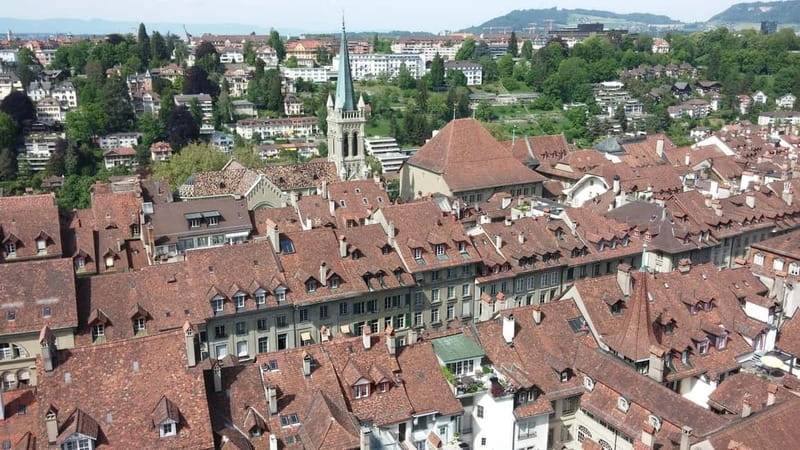
Most political tours start with a building and end with a view. This one starts you moving through the city’s actual bones, beginning with Bern’s Old City, which has been a UNESCO World Heritage site since 1983.
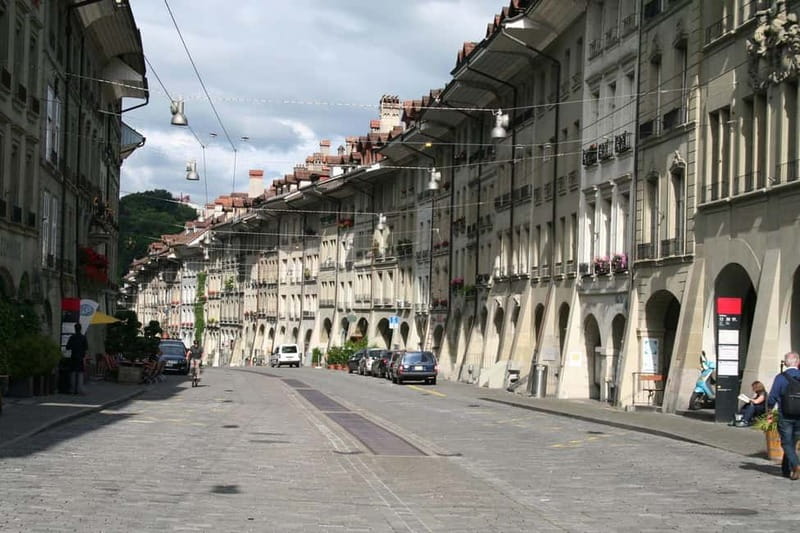
Walking the Old City with a guide changes how the place “reads.” You notice details you’d otherwise ignore, like how public spaces and institutions sit inside the medieval street grid. It’s a reminder that politics is not separate from city life. It’s the city life.
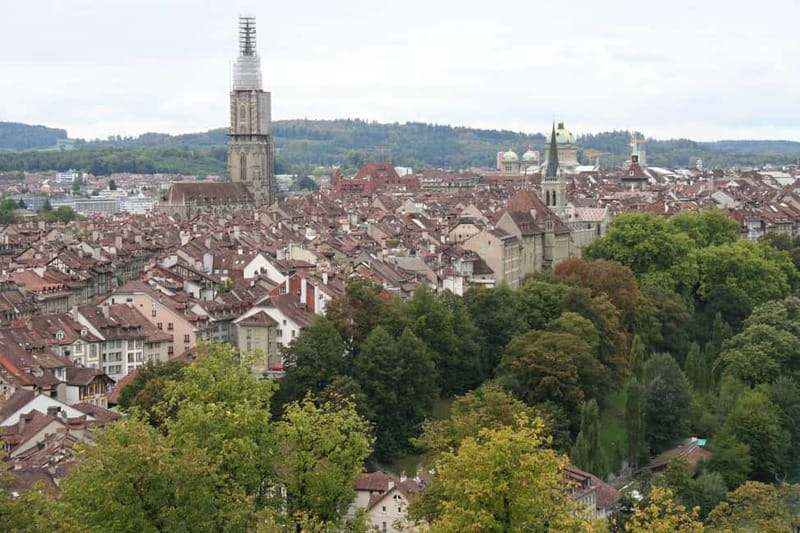
Then you move toward the Bernese Minster, including the area around Münsterterrasse (Minster Terrace). The Minster matters because it’s one of the capital’s defining landmarks, with the highest church spire in all of Switzerland. Even if churches are not your usual thing, the guide’s framing helps you see it as a visual anchor for the city.
From the terraces, you get views over the river Aare and the Alps. That’s the kind of sight where you pause anyway, but here you also understand why the Minster and surrounding civic space feel tied to identity, not just architecture.
Practical note: if you’re visiting in wet weather, bring grippy shoes. The Old City streets are not built for fashion footwear.
Parliament Square: The Swiss Democracy You Can Walk Around
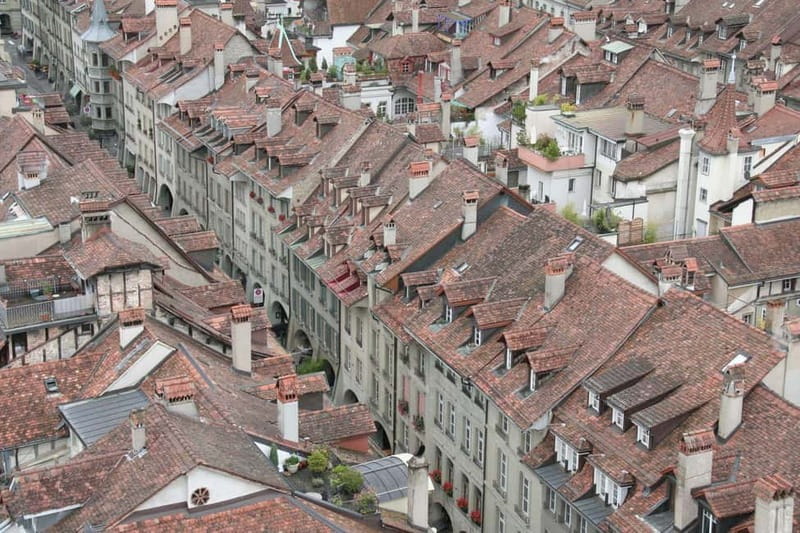
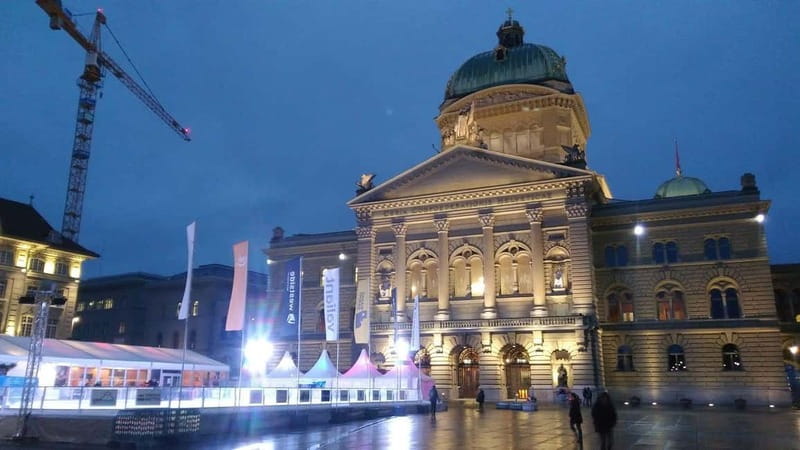
The heart of the tour’s political theme is Parliament Building and Parliament Square. The guide uses this area to explain what’s unique about the Swiss system, and why it’s working in the way people expect.
What I like about focusing here is that you’re not just looking at a single facade. You can stand, orient yourself, and take in the broader civic space around it. That turns into an easier mental picture for how institutions fit into daily life.
A big part of the explanation involves Switzerland’s “exception” status, including both the bright and the less bright sides. You’ll also hear about history that shaped the country’s approach, especially the long-running idea of neutrality and how it influenced thinking and policy over time.
This is also where the tour becomes good for people who normally skip political content. The guide connects political concepts to concrete examples, so it doesn’t feel like memorizing terms. Instead, it feels like understanding the logic behind choices.
If you’re the type who enjoys asking why, this section is where your curiosity pays off.
Zytglogge Clock Tower and the Bern Icons People Actually Remember
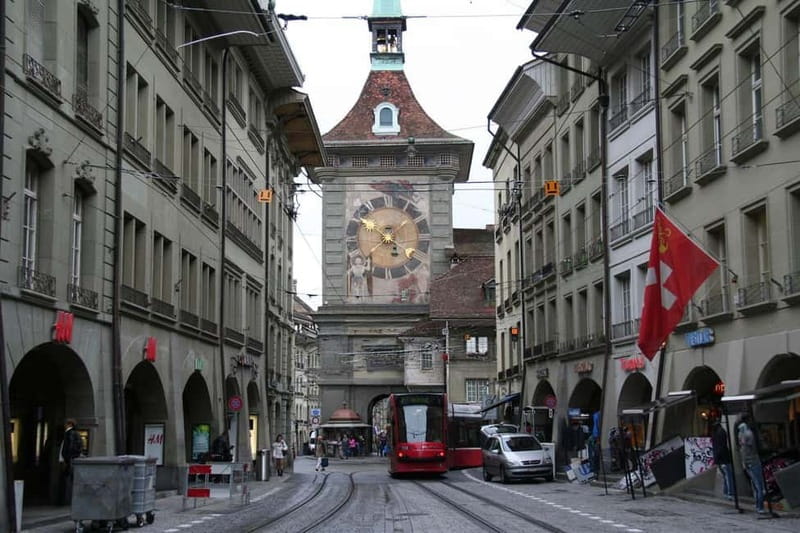
After the civic center, the tour naturally shifts into the landmarks that make Bern recognizable from a distance. One of the most distinctive is Zytglogge (Clock Tower), which began as a city gate and now draws visitors for the spectacle of the clock.
The guide’s value here is interpretation. A clock tower can be just another old structure, but through the political lens, it becomes a marker of how a city used time, movement, and gates for everyday order. That might sound fancy, but you’ll feel the difference when someone points out why the building sits where it does and what it used to do.
Another classic Bern stop is BärenPark (Bern Bear Park). If you love animals, you’ll appreciate that this is an attraction known well beyond Switzerland. Even if you’re not a bear fan, it’s a reminder that Bern builds public spaces that people use, not just buildings people pose in front of.
You may also have time for Rosengarten (Rose Garden), which has around 250 varieties of roses. The roses are not political, but the location and design help you slow down. And slowing down is useful on a tour like this, because political ideas stick better when your brain isn’t rushing to the next photo spot.
Freibad Marzili, Fountains of Bern, and Why “Local” Is the Real Point
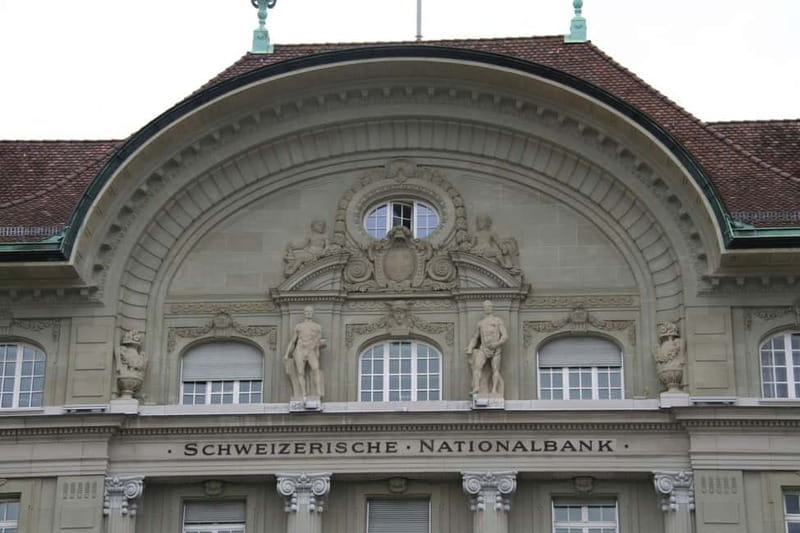
This is the part I think most people will be glad they didn’t skip. Switzerland is full of scenic spots, but Bern has that specific blend where public life happens in public spaces.
The tour can include Freibad Marzili, described as the most beautiful riverside pool in Switzerland. Even if you do not plan to swim, it’s a great way to see how locals use the Aare area. It’s everyday, not postcard-only.
Then comes one of the most Bern-specific highlights: the Fountains of Bern. You’ll see colorful figures, skillfully crafted pillars, and detailed decorations. The tour’s angle makes these fountains more than cute scenery. You learn what the city chose to celebrate and how art shows up in the public realm.
This is where “feel like a local” isn’t a slogan. You walk through the parts of Bern that look made for resident routines, and the guide helps you understand the cultural choices behind them.
If you want one practical tip: take a moment near the fountains to look up and around. These works reward slow attention, and that’s exactly what a shorter 2-3 hour tour can still fit in.
Higher up, or further along the lake:
- Bern: Zytglogge – Tour through the Clock Tower★ 4.7 · 757 reviews
- Bern: 90-Minute Stroll Through the Old Town★ 4.4 · 667 reviews
- Bern: Chocolate Tasting Tour★ 4.8 · 91 reviews
- Bern: Private Walking Tour with a Local Guide (Private tour)★ 4.7 · 54 reviews
Hidden Policy Corners: Ländtetor, Von Wattewyl House, Käfigturm, and the French Church
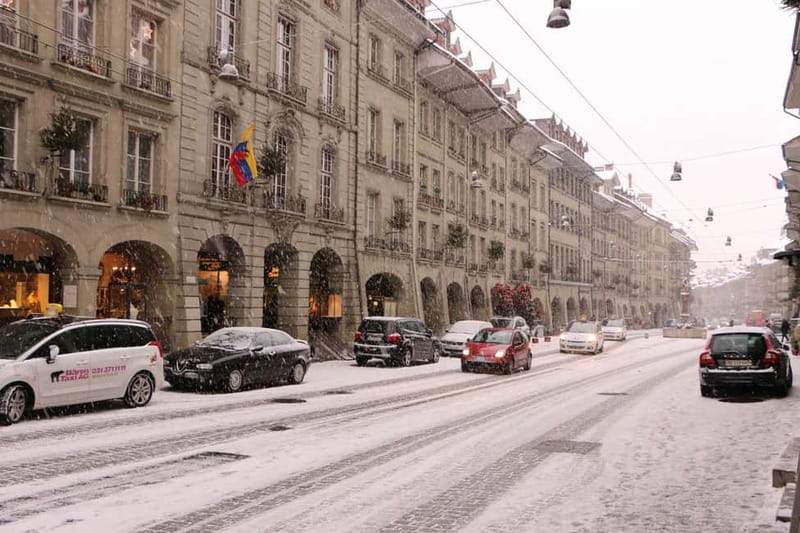
This is the section that makes the tour feel different from a standard Old City walk.
You might visit Ländtetor, an ancient port site that’s described as little-known by most, with a minuscule restored area using federal local resources. That’s a great example of how Switzerland can protect smaller historic pieces, not only the big monuments.
You may also see Von Wattewyl House, noted as maybe the most important place for Swiss policy-making. This is a big claim, and the guide’s explanation is what turns it from a name into context. If you’re interested in how decisions and influence moved through real places, this stop will make your mental map sharper.
Then there’s Käfigturm (Prison Tower). Historically, it was where criminals were interrogated and locked up. Today, it serves as a space for political discussions. That time shift is the kind of detail I love on this kind of tour because it shows continuity, repurposing, and the way civic life evolves without erasing the past.
If architecture and art attract you, Französische Kirche (French Church) can be on your route too. It’s described as the oldest sacred building in the capital, and it attracts people for architecture, art, and culture. Even if you’re not religious, historic sacred buildings often hold a lot of civic meaning in Europe, and the guide’s framing helps you read it that way.
A realistic note: the tour is not guaranteed to visit all listed places. Your final itinerary depends on tour length and time spent at each stop, and you can discuss priorities after booking or when meeting your guide.
Neutrality, Social Peace Agreements, Women’s Milestones, and the Chocolate Explanation
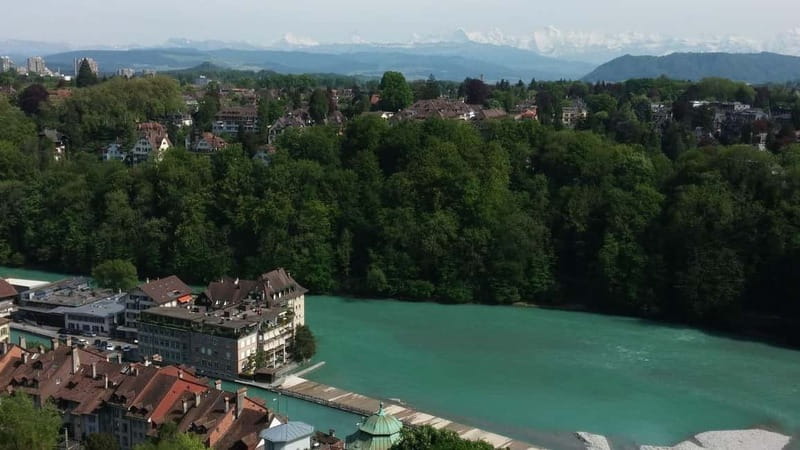
This tour has a knack for connecting big themes to memorable examples. That’s why the “political” label doesn’t feel heavy.
You’ll learn about the key elements of Switzerland’s neutrality and why that mattered historically. You’ll also hear about the social peace agreement, which is part of the story for how Switzerland maintained stability.
One of the more memorable parts of the tour is the explanation of the role of chocolate. That’s not random trivia. It’s presented as a symbol or factor connected to Swiss identity and the way politics and culture mix.
The guide also mentions integrative personalities like Henri Dufour and Ernst Bloch. Their inclusion helps you understand that political systems depend not only on rules, but on people who can bring others together.
And yes, you’ll cover women’s political milestones. The tour points out that Switzerland has had more female presidents than any other country, even though women’s right to vote was introduced in 1971. Even if you already know the basics, hearing it framed in context can change how you understand progress, timing, and public change.
This is also where the tour stays balanced. It isn’t only about the bright side. You’re guided toward an understanding of what makes Switzerland’s political exception work, and where it can be complicated too.
How the 2-3 Hour Time Window Really Shapes What You See
At $155 per person, you want your time respected. This tour is built to be a concentrated walking experience, not a slow museum crawl.
In a 2 to 3 hour format, you can usually expect to see main sightseeing spots plus a few extras. The guide’s list includes major highlights like the Old City, Parliament Square, Bernese Minster and terraces, Zytglogge, and potentially BärenPark and Rosengarten. It also includes hidden stops like Freibad Marzili, fountains, Ländtetor, Von Wattewyl House, Käfigturm, and the French Church.
Since not all stops are guaranteed, I recommend doing two things:
- Decide whether you want more time on political institutions or more time on city-life details like fountains and riverside areas.
- Bring questions about the system you want to understand most, because your guide can shape the emphasis on the walk.
If you love photography, tell your guide early so you can build short pauses into the plan. If you want faster coverage, ask for it too. This is one of the benefits of a private group tour.
Price and Value: What $155 Buys in Bern
Let’s talk value in practical terms.
You’re paying $155 per person for a private walking tour that includes hotel pickup and drop-off plus a guide who is a former diplomat. You also get multilingual support, with the tour offered in English, French, German, and Spanish.
What that money buys is not only time walking. It’s interpretation. You’re paying for the political context that most self-guided tours do not provide, plus a route that mixes iconic landmarks with less obvious places.
Entry fees are not included. That’s normal for a walking tour. The guide includes major sights such as the Minster and Parliament Square where you can enjoy them without ticket costs, and the optional stops include attractions that might require your own tickets if applicable.
The bottom line: this is good value if you genuinely want to understand Swiss politics and not just see a pretty Old City. If your goal is only sightseeing photos, you’ll likely feel the price more than you feel the insights.
Who This Tour Fits Best (And Who Might Prefer Something Else)
This tour fits best if you fall into one of these groups:
- You want a politics lesson that walks, not a classroom lecture.
- You enjoy historic details with context, like why Käfigturm became a place for political discussions.
- You like a city walk that includes civic landmarks and everyday Bern spaces like riverside pools and fountains.
- You want a guide with diplomatic background, which can make the explanations more grounded.
You might choose another option if:
- You’re short on time and only want the top skyline shots with no system-level context.
- You dislike walking, since it’s a walking tour and designed for 2 to 3 hours on foot.
A small comfort note: it runs rain or shine, so pack for weather. That matters on a city like Bern where the streets can be slick.
Should You Book This Bern Political Walking Tour?
If you want your Bern visit to make sense beyond architecture, I’d book it. The reason is simple: you get a former diplomat’s explanation of the Swiss political system while you stand in the places where governance and civic life show up in real form.
I especially like that the tour balances major stops with hidden details, and that it doesn’t treat politics as dry. If you’re the kind of person who wants to know why Switzerland does what it does, this gives you a strong framework in just a few hours.
If you only care about a fast hit of famous sites, you might feel the price less worth it. But if you’re even slightly curious about neutrality, social peace agreements, women’s political milestones, and how culture like chocolate fits into the story, this tour is a smart use of time in Bern.
FAQ
How long is the Bern Political Walking Tour with a Diplomat?
It lasts about 2 to 3 hours.
Is this tour private?
Yes, it’s a private group tour.
What does the price include?
The included items are the tour guide (a former diplomat), hotel pickup and drop-off, and the walking tour.
Do I need tickets for public transport?
No. It’s a walking tour, so public transport tickets are not necessary.
Are attraction entry tickets included?
No. Tickets for attractions with entry fees, such as museums, are not included.
What if it rains?
The tour runs rain or shine.
What languages are available?
The tour is available in English, French, German, and Spanish.
Can I cancel for a refund?
Yes. You can cancel up to 24 hours in advance for a full refund.
Can I reserve now and pay later?
Yes. It offers a reserve now & pay later option to keep your travel plans flexible.
Added lately around Bern


Walking Tours, compared.
Zurich Walking Tour With Cruise and Aerial Cable Car
Read our review →
Lucerne Walking & Boat Tour: The Best Swiss Experience
Read our review →
3 in 1: Zurich Walking Tour – Cruise on the Lake – Cable Car Ride to Felsenegg
Read our review →Browse the lists this tour appears in