
Reviewed · HISTORICAL TOURS
Zurich a journey through time, history and the Reformation
Zurich turns political history into street theatre. This tour ties together Celtic and Roman origins with the Reformation in Zurich, all through stories you can track block by block. I like the way the guide brings the ideas of Huldrych Zwingli to street level, not just dates on a timeline, and I especially appreciate the access to Fraumünster as a living part of the story.
Two things I really liked: you get an accredited Fraumünster guide who explains what you are seeing, and you also spend real time inside Fraumünster, including the famous Chagall windows. In my experience with guides like Bruno (he stood out in recent feedback for being attentive and very good at explaining), you do not feel rushed, and you leave with a clearer mental map of Zurich.
One drawback to plan around: it is not suitable for wheelchair users, since the route involves walking and church stops.
In This Review
- Key highlights worth planning for
- Zurich’s Reformation story starts long before Zwingli
- Meeting at Heiristeg and setting the tone for 2.5 hours
- Lindenhof: the view that links Roman guard duty to Reformation debates
- Archäologisches Fenster and the feel of Zurich under your feet
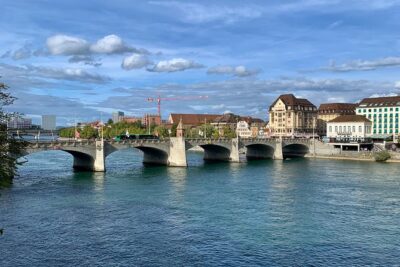
- Rathausbrücke: where civic life and history meet the river
- The Roman Heater System: proof that daily life was engineered
- St. Peter’s Church: the Reformation story has multiple church angles
- Fraumünster, Chagall windows, and what a church can teach you
- Hans Waldmann statue and the city politics behind faith
- Wasserkirche and Grossmünster: two church stories, one movement
- Ehgraben and the quiet in-between stops that complete the picture
- Price and value: why $194 feels fair for this format
- Who this tour suits best, and who might want a different plan
- Should you book Zurich a journey through time, history and the Reformation?
- FAQ
- How long is the tour?
- Where is the meeting point?
- Is Fraumünster admission included?
- Do I need to buy tickets for Fraumünster?
- Is the tour private?
- What languages are available?
- Is the tour wheelchair accessible?
- What is not included in the tour price?
Key highlights worth planning for
- Zwingli’s Zurich, explained where debates and sermons shaped the city’s direction
- Fraumünster access included, with time to see the Chagall window cycle in the choir
- Roman layers in the Old Town, including a Roman heater system and an archaeological view window
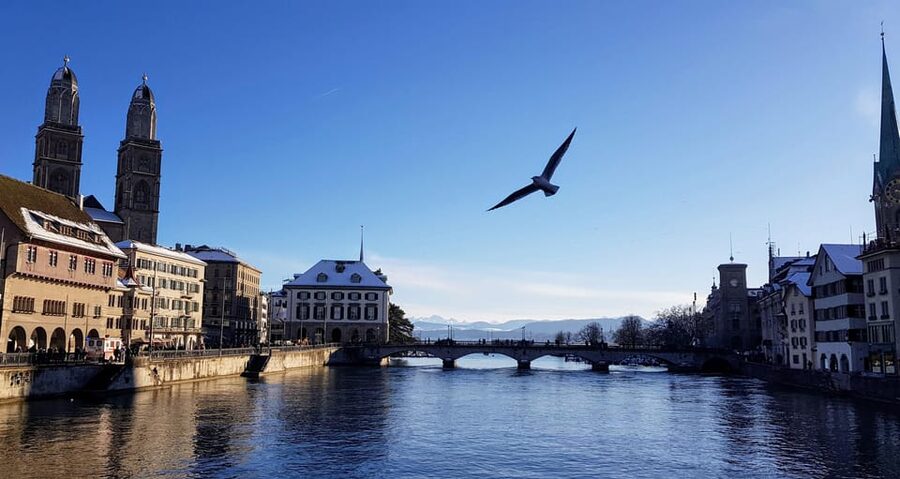
- Lindenhof viewpoints over the Limmat, where Roman-era presence meets medieval and Reformation meaning
- A private-group format, guided in German or English for a tighter, more personal pace
Zurich’s Reformation story starts long before Zwingli
If you think Zurich is just orderly Swiss charm, this tour nudges you to look closer. The route is built around a simple idea: where people argue about faith, power and daily life, history sticks. You walk through the Old Town with a focus on how the Reformation took shape here, with Huldrych Zwingli at the center of the conversation.
I like that the story does not stay abstract. The guide connects events to place, so you can understand why Zurich became a launchpad for radical change in Europe. You get a clear sense of how sermons could become political sparks, and how new religious ideas were tied to who held authority in the city.
At the same time, Zurich’s “big story” sits on much older ground. The first part of the walk leans into Zurich’s early layers, including Celtic and Roman origins. That sets up a helpful contrast: centuries of tradition, then sudden turning points. When you feel that shift while walking, the Reformation stops being a textbook chapter.
Meeting at Heiristeg and setting the tone for 2.5 hours
You start at Heiristeg, at the corner of Uraniastrasse 1. It is a good launching point because it gets you into the heart of the Old Town without wasting time. This is a private group tour, usually a comfortable size for asking questions and keeping the flow of explanations.
The total time is 2.5 hours, and the itinerary is built from short guided stops plus walking segments. That matters because it keeps your brain engaged. Instead of one long speech, you get a sequence of places where the guide pauses, explains what you are looking at, then ties it to the bigger Reformation picture.
Practical tip: wear good walking shoes. Even when stops are short, you are on your feet for the whole arc from Roman-era traces to major churches connected with Zurich’s religious history. Also, if you have allergies or sensitive ears, consider the indoor segments as “quiet breaks” since church interiors can feel cooler and calmer than the streets.
More History Tours in Zurich:
- Zürich Historic District Tour
★ 5.0 · 206 reviews - City tour historic old town Zurich
★ 4.7 · 38 reviews - Chocolate, Art, and History walking tour of Zurich
★ 5.0 · 15 reviews
Lindenhof: the view that links Roman guard duty to Reformation debates
From the start area, you head to Lindenhof, one of Zurich’s classic viewpoints. The guide frames it as more than a pretty photo spot. This is where Romans once stood guard, and the location helps you understand how strategic the hill area has been for centuries.
What makes Lindenhof especially valuable on this tour is the way it works as a “story switch.” You see the Limmat, you take in the city layout, and then the guide connects that geography to why people would care so much about the city’s direction. When you can look down at the same river corridor that mattered to earlier residents, the Reformation discussion feels less like a remote event and more like an outcome shaped by real urban power.
Even if you are not a history buff, you will probably enjoy this part because it is both scenic and explanatory. You are given context for what you are seeing, not just told to look. If you like being able to picture the past, this stop does a lot of work for the rest of the tour.
Archäologisches Fenster and the feel of Zurich under your feet
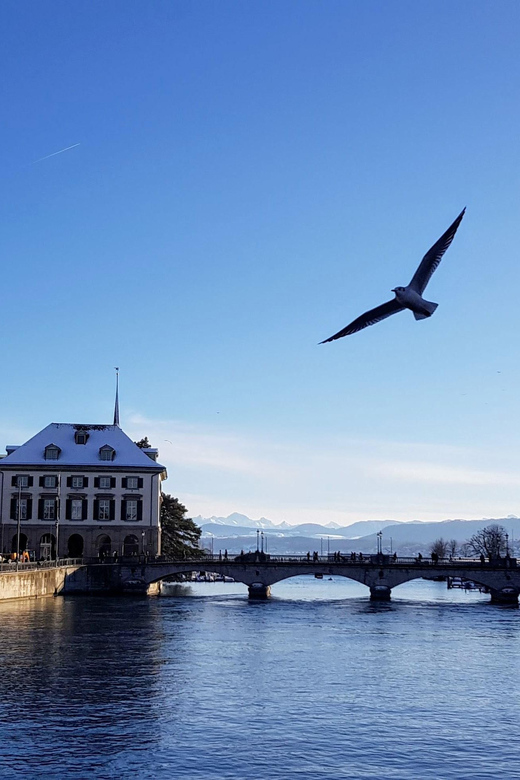
Next up is the Archäologisches Fenster, an archaeological viewing window. This kind of stop is a gift for travelers who learn best with physical evidence. You are not only hearing about ancient Zurich, you are looking at a layer of what remains visible today.
On this tour, the archaeological window serves a bigger purpose: it shows how the city grew, changed and kept building over earlier eras. That makes the Reformation sections later in the walk land harder, because you understand that Zurich’s identity is layered, not swapped overnight.
What I like about how the guide usually handles these “evidence” moments is that they do not get stuck in academic wording. You get an explanation of what the site represents and why it matters, then you move on while the story stays coherent. It is a smart pacing trick for a 2.5-hour tour.
Rathausbrücke: where civic life and history meet the river
Then you cross or pass through the Rathausbrücke area. This part of the walk is about the civic spine of the city, the kind of place where power is close to everyday life. In Reformation-era Europe, religion was never sealed off from politics, and Zurich’s story reflects that reality.
The guide uses the bridge area as a transition, from early Zurich layers into the city’s more documented religious turning points. Even if you do not memorize details at first, you will feel the difference in tone. Zurich becomes less “ancient city” and more “decision-making city.”
A small consideration: bridges and river viewpoints can be breezy, and weather in Zurich can shift quickly. If you plan to do photos, bring a layer you can toss on fast. It keeps you comfortable so you can focus on the explanation rather than the cold.
The Roman Heater System: proof that daily life was engineered
One of the more memorable stops is the Roman Heater System. This is one of those moments where you suddenly realize: people in the past built systems for comfort. It is not just ruins and walls, it is infrastructure that tells you how daily life worked.
The tour frames this as part of Zurich’s older identity. You connect the Roman presence to the city’s long continuity, then the story moves forward to the Reformation period where belief and authority reshaped public life. Having both in the same walking arc is powerful, because it makes history feel continuous instead of chopped into separate eras.
If you like “how it worked” explanations, this stop will likely be a highlight. If you prefer big-picture storytelling, it still helps because it grounds the narrative in tangible survival and design.
A few more departures worth comparing in Zurich
- Lindt Home of Chocolate Museum Entry Ticket★ 4.7 · 9,329 reviews
- Zurich: Grindelwald, Interlaken & Lauterbrunnen Day Trip★ 4.6 · 7,123 reviews
- Zurich: City Tour, Cruise, and Lindt Home of Chocolate Visit★ 4.5 · 4,624 reviews
- From Zurich: Bus Day Trip to Heidiland and Liechtenstein★ 4.5 · 2,531 reviews
St. Peter’s Church: the Reformation story has multiple church angles
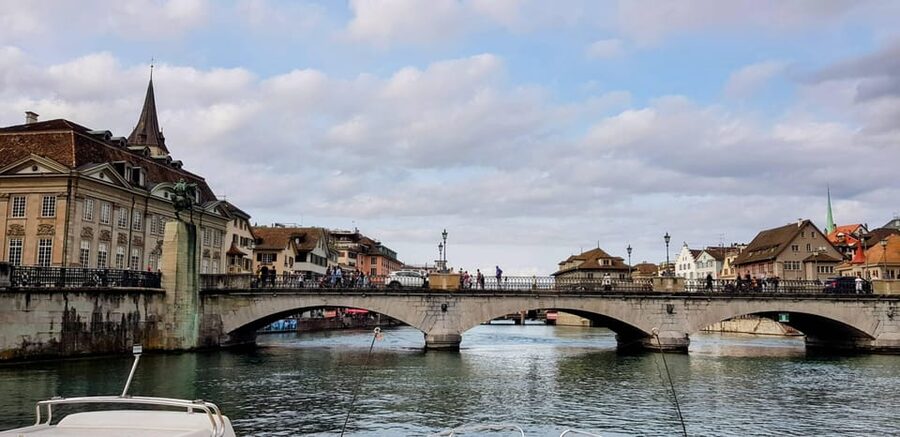
You also spend time at Church of St. Peter, Zurich. This stop matters because it supports the idea that the Reformation was not only one dramatic moment, it was a re-sorting of religious space and influence across the city.
The guide uses the church stop to add clarity. You get a better sense of how Zurich’s religious institutions fit into the story of Zwingli and the broader movement. That context makes later church visits feel more intentional, not just like a sightseeing checklist.
One practical thought: churches can have rules about where you can stand or how you move inside. You are on a guided schedule, so follow the guide’s directions. The benefit is that you usually do not have to hunt for what matters, the guide points it out and tells you why it counts.
Fraumünster, Chagall windows, and what a church can teach you
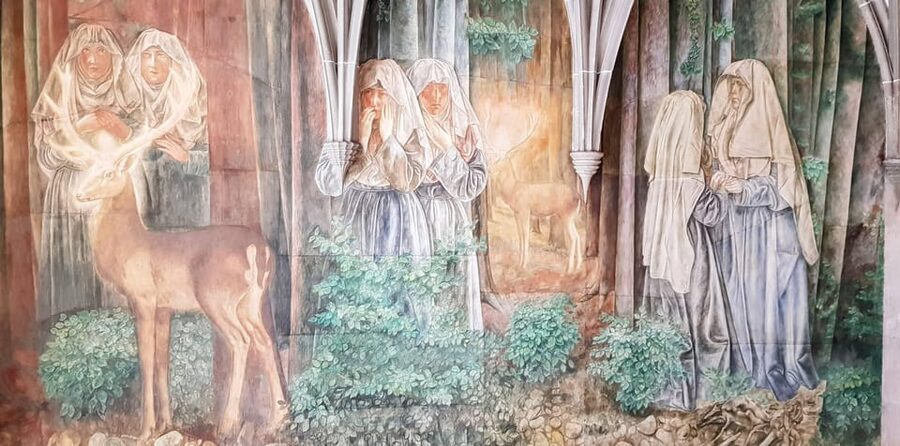
The biggest “wow and meaning” segment is Fraumünster. Admission is included, and you also skip the ticket line. That is a real value add in a city where church visits can involve queue time.
Inside, you get more than classic postcard visuals. The guide helps you understand religious and social history that goes beyond the art. You spend time with the Chagall windows in the choir, and then the explanation pushes you to ask better questions: Why did this church matter in Zurich’s development? How did religious life connect to social structure?
This is where the accredited Fraumünster guide detail matters most. The tour is not “look at the art, smile, move on.” It is guided interpretation in a place that is both iconic and historically layered.
A recent pattern from feedback: guides like Bruno are praised for being attentive and explaining things clearly, sometimes using short video clips to add context. If you see those short clips during your tour, take them as a quick bridge between what you are hearing and what you are seeing on the walls and windows.
Hans Waldmann statue and the city politics behind faith
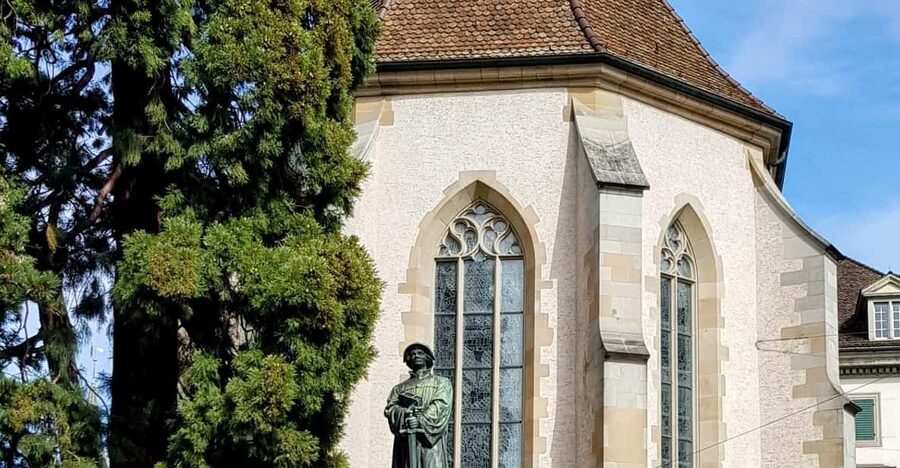
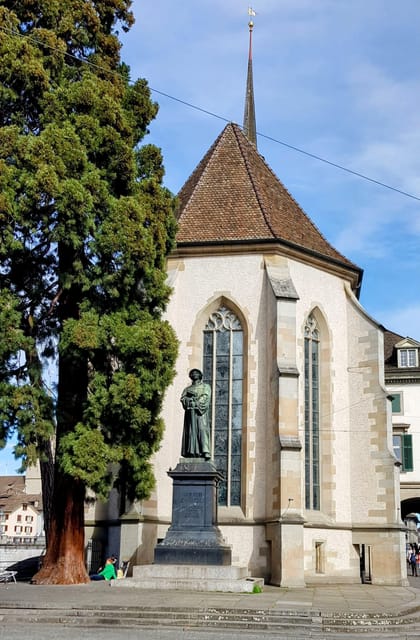
You also stop near the Hans Waldmann statue (as referenced by the guide’s point of focus). This is where Zurich’s Reformation story becomes more human and more political. Waldmann is a name that connects civic leadership to the consequences of conflict between established power and reformist momentum.
Even if you start this part thinking mainly about theology, the guide keeps pulling you back to city life. The Reformation was not only what people believed, it was who had authority to enforce public life. When you connect that to Zurich’s civic symbols and leaders, the story becomes easier to understand and harder to forget.
The balance here is good. You do not get a one-sided propaganda take. Instead, you see how reform and resistance could coexist in the same city, depending on who was pushing what agenda and when.
Wasserkirche and Grossmünster: two church stories, one movement
Later, you visit Wasserkirche and also spend time at Grossmünster. These are major church names in Zurich’s religious history, and the guide uses them as anchors for the Reformation narrative.
What I like about this portion is that you get comparison built in. Even though both are important, they are not treated as identical stops. You get different angles on how Zurich’s churches tied into the Reformation era, and you start to see the movement as a set of local decisions made in a real city.
Grossmünster is included for visit time, but Grossmünster Tower access is not included. So if tower views are your top priority, plan to visit it separately or adjust expectations. The tour still gives you time to understand why this church matters, even without going up.
For the best experience, treat these visits as story checkpoints. When you arrive at each church, pause for a moment and think about what you learned earlier, especially the shift from Roman traces to reform-era politics. The guide helps make those connections, but you will get more from a little mental linking on your side too.
Ehgraben and the quiet in-between stops that complete the picture
The final stretch includes Ehgraben and a few additional short story stops. These less-famous segments are often what turn a basic tour into something you remember, because they add continuity. You see that the Reformation was not only happening in one dramatic location. It played out through multiple points in the city fabric.
These “in-between” pauses also help you digest. After big landmarks like Fraumünster, you need time to let the story settle. The guide’s pacing gives you that breathing space, with explanations short enough to stay focused but meaningful enough to carry forward.
You wrap back around to Heiristeg, giving the route a clean loop. That loop matters if you like walking tours that feel organized. You finish without feeling like you disappeared into a random part of the city and then had to retrace steps alone.
Price and value: why $194 feels fair for this format
At $194 per person for about 2.5 hours, this tour sits in the middle of what you might expect for a private guided experience in Zurich. The price makes more sense when you look at what is included, not just the guiding.
You get:
- a private group format
- an accredited Fraumünster guide
- Fraumünster admission included, plus skip-the-ticket-line access
- a structured route tied to Zwingli and Reformation sites
- time at multiple major church locations plus older Roman-era stops
In plain terms, you are paying for interpretation in real places, plus the part that can cost time and energy on your own, getting into Fraumünster efficiently. If you are the type who wants the history explained in a way you can remember, this is good value. If you only want quick photos and light facts, you might prefer a shorter or cheaper sightseeing option.
Who this tour suits best, and who might want a different plan
This is a strong fit if you:
- like walking tours where the guide ties stories to specific landmarks
- want a clear understanding of the Reformation in Zurich through Huldrych Zwingli’s footsteps
- enjoy church visits that explain what you are looking at, not just where to stand
- appreciate Roman-era context, because the city’s early layers matter to the full story
It might be less ideal if:
- you need wheelchair access, since it is not suitable for wheelchair users
- you want minimal walking or minimal time in churches
- you are only interested in one single church, like if you only care about a tower view
Should you book Zurich a journey through time, history and the Reformation?
I think you should book it if you want Zurich with an explanation attached. The tour’s biggest strength is that it does not treat the Reformation as a separate chapter from the rest of the city. It connects Zwingli-era change to older Roman and Celtic layers, then shows you how Zurich’s civic and religious life were intertwined.
You also have solid evidence from recent experiences that the guiding style lands well. Bruno is specifically praised for being attentive, personable, and strong on Reformation history, with clear explanations and even short video context in some cases. That kind of teaching style makes a difference when you are trying to follow a complicated period without getting lost in details.
If your goal is to understand what Zurich meant to Europe during the Reformation, and you are happy to walk and spend time inside churches, this tour is a smart way to do it in one focused 2.5-hour loop.
FAQ
How long is the tour?
The tour duration is 2.5 hours.
Where is the meeting point?
The official meeting point is at the corner of Uraniastrasse 1 / Heiristeg. You can also arrange to meet at Zurich main station in advance.
Is Fraumünster admission included?
Yes, admission to Fraumünster is included.
Do I need to buy tickets for Fraumünster?
No, the tour includes skip-the-ticket-line for Fraumünster.
Is the tour private?
Yes, it is a private group tour.
What languages are available?
The live guide offers German and English.
Is the tour wheelchair accessible?
No, it is not suitable for wheelchair users.
What is not included in the tour price?
Grossmünster Tower access is not included, and food or drinks are not included. Access to old town churches after 17:00 is also not included.
Added lately around Zurich






Historical Tours, compared.

Highlights of Geneva: Dark History Quest Experience
Read our review →
Chocolate, Art, and History walking tour of Zurich
Read our review →
Schwyz: Museum-Ticket Forum of Swiss History Schwyz
Read our review →Browse the lists this tour appears in