
Reviewed · ZERMATT EXPERIENCES
Zermatt: Gastro tour through Zermatt kitchens
A good meal is nice. A kitchen tour is better. This Zermatt gastro tour through kitchens lets you see how dishes get made in real time, then eat them in a private setting. I like two things most: the chance to watch cooks work up close and the fact you’re paired with Valais wine alongside a seasonal regional menu. One consideration: it is a tight small group format, and it is not suited for kids under 16.
In just 3 hours, you start at a set meeting point (Hotel National in summer, Restaurant Mirabeau in winter), then hop by cab to multiple restaurants to meet the kitchens behind the scenes. You end the experience with a structured meal that includes wine, coffee, and a digestif, so you are not just looking, you’re eating too.
If you want a casual, wander-at-your-own-pace afternoon, this probably will not be your style. It is organized, time-boxed, and kitchen-focused.
In This Review
- Key highlights worth marking on your map
- Why this Zermatt kitchen tour beats another restaurant meal
- Price and value: what $167 buys you in 3 hours
- The 3-hour rhythm: from meeting point to private meal
- The kitchen stops you’ll visit in summer (and why each one matters)
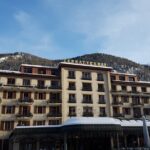
- Hotel National: where the tour begins and the pace sets
- Beausite: watching technique change from kitchen to kitchen
- Walliserhof: the final kitchen look before you eat
- Winter note: you still start at Mirabeau
- Why the small group size is more than a marketing detail
- The meal: regional 3-course dining plus Valais wine
- What you can learn and why it may help at home
- When this tour might not fit your expectations
- Should you book the Zermatt gastro kitchen tour?
- FAQ
- How long is the Zermatt gastro tour?
- What is the price per person?
- Where do I meet for the tour in summer?
- Where do I meet for the tour in winter?
- What’s included in the tour meal?
- Is the tour a small group?
- Is the tour suitable for children?
- Is the tour wheelchair accessible?
- Final call: book or pass
Key highlights worth marking on your map
- Up-close kitchen access at three different spots, not just a dining room visit
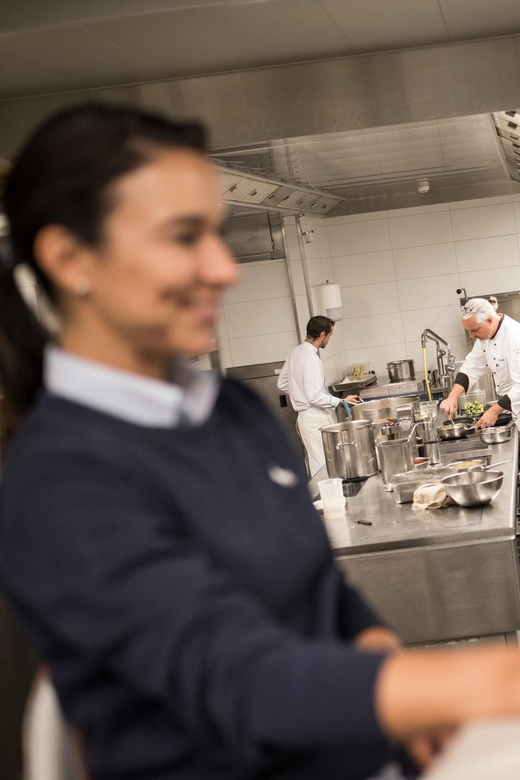
- Chef and staff workflow watching, seeing how food is handled during active service prep
- Seasonal regional 3-course menu in a private setting
- Three glasses of Valais wine, plus coffee and a digestif included
- Cab transfers between restaurants, which keeps the experience smooth for a short 3-hour window
Why this Zermatt kitchen tour beats another restaurant meal
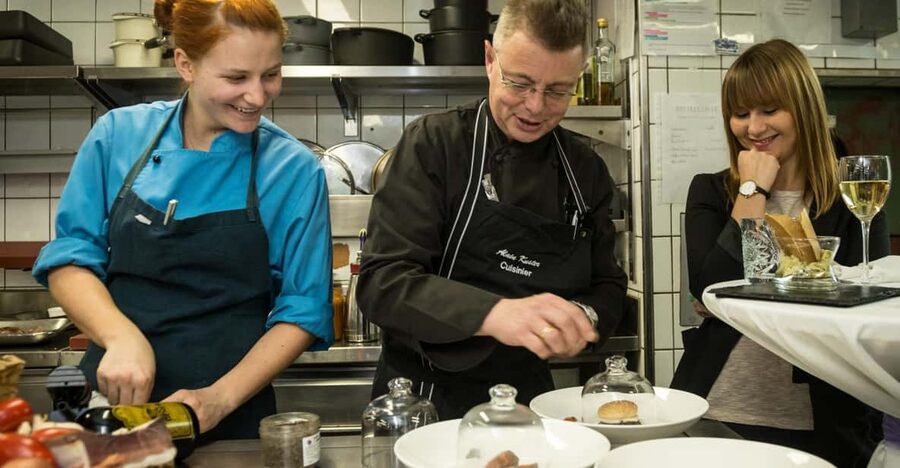
Zermatt is full of strong restaurants, so you might wonder why pay extra for a tour. Here’s the simple answer: this experience is built around the part most people never see. You get to stand where the sizzle happens, watch food come together, and learn what matters to the final plate.
That behind-the-scenes access is the real reason to book. You are not just tasting Swiss cuisine, you are seeing the ingredient choices and the timing. And because you end with a seated meal, you get a clean payoff loop: you watch the process, then you eat what you just watched.
I also like that the tour is small, limited to 4 participants. That usually means more room for conversation and fewer “good luck and have fun” vibes. For a kitchen experience, attention matters, because cooks are busy and the group needs to stay out of the way.
Price and value: what $167 buys you in 3 hours
At $167 per person for a 3-hour experience, you should judge value by what is included, not what sounds nice on paper.
Here’s what you actually get included:
- A 3-course menu
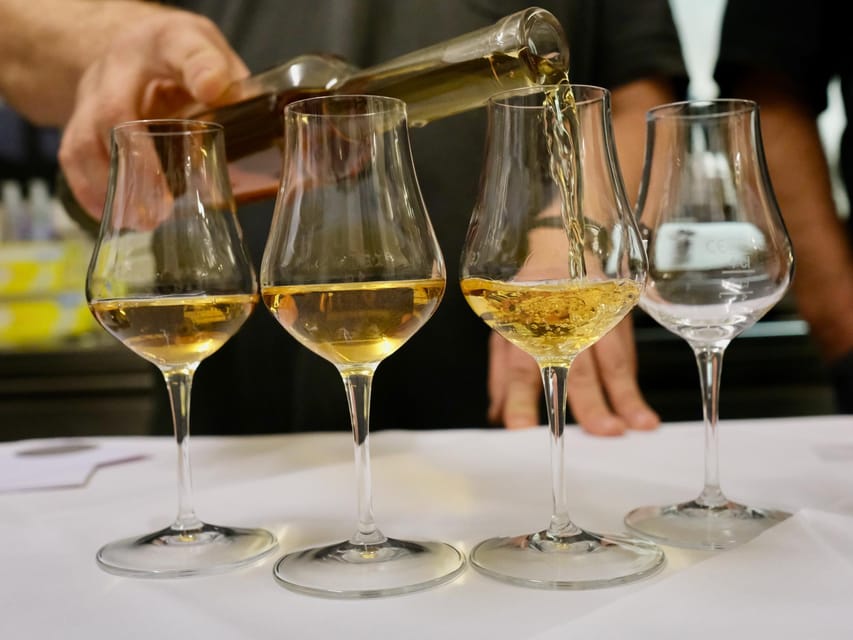
- Three glasses of Valais wine
- Coffee
- A digestif
- Cab ride between the restaurant stops
- A surprise gift
That package matters because Zermatt prices can add up fast. Wine, coffee, and a digestif are often the extras that make a normal meal expensive. Here, those extras are already built in. Add the cab transfers, and you are not spending your limited time navigating between multiple kitchen locations.
One more value point: this is designed as a small-group, private-setting meal after the kitchen visits. If you like food experiences that include eating, not just watching, the pricing feels more sensible.
The big caution is simple: because it is expensive, you should confirm what you are expecting to see. This kind of experience can go either way if stops feel rushed or if you do not get the kitchen access you planned for.
A few more departures worth comparing in Zermatt
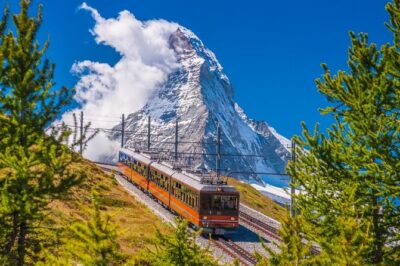
- Zermatt: Gornergrat Railway Cogwheel Train Ticket
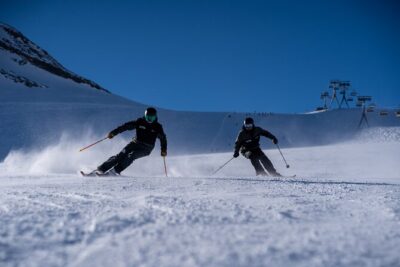
★ 4.7 · 580 reviews - Private Ski Lessons – 3 hours Zermatt
★ 5.0 · 279 reviews - Matterhorn Paragliding flight in Zermatt (20-25min)
★ 5.0 · 207 reviews
The 3-hour rhythm: from meeting point to private meal
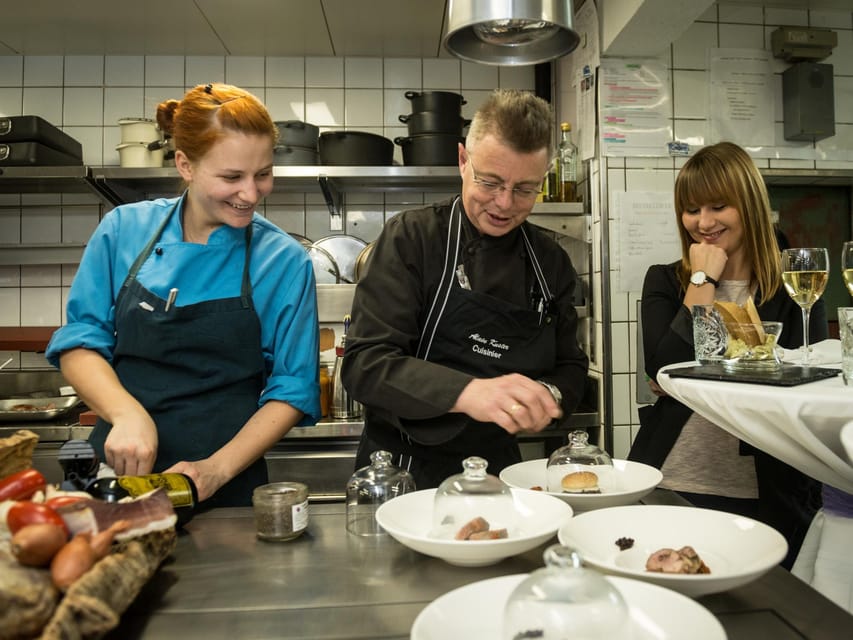
The tour runs for 3 hours, so it’s not a slow evening. It’s a concentrated tasting and kitchen tour.
You start at a defined meeting point:
- In summer: Hotel National, Matterstrasse 39, 3920 Zermatt
- In winter: Restaurant Mirabeau, u. Mattenstrasse 12-14, 3920 Zermatt
After you meet your host or greeter (German and English), you will take a cab to the other restaurant stops. The tour ends with your meal served in a private setting.
This time structure is important. It means you should arrive on time and keep your energy steady. Also, since it is not designed for kids, it tends to feel adult-focused and calm. You can ask questions, but you cannot treat it like a long, roaming museum of kitchens.
The kitchen stops you’ll visit in summer (and why each one matters)
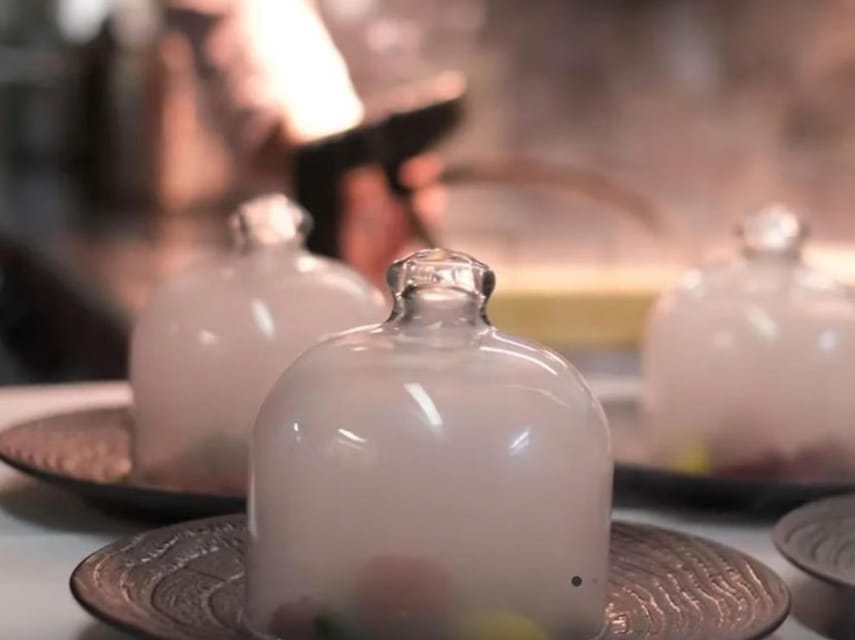
For summer, the provided restaurant list is:
- Hotel National
- Beausite
- Walliserhof
You are getting three different kitchens, which is the core promise. In practice, that variety matters more than you might think. Chefs often use different techniques depending on the kitchen setup, the service flow, and what ingredients are easiest to source and store.
At each stop, the value is the same theme: you get to look over the professional’s shoulder while food is in motion, then connect what you see with what you’ll later taste. That makes the meal feel like it comes with context instead of just being another course lineup.
Hotel National: where the tour begins and the pace sets
The first stop at Hotel National is where you get your bearings. Expect active cooking energy, plus the chance to learn why certain techniques are used. This start also matters because you’ll likely build an understanding of how the menu ties together before you sit down to eat.
Kitchen tours can be awkward if the group stalls or blocks the line. A good start usually means the host keeps everyone flowing and focused. If you’re the type who likes to ask questions, this first stop is often when the experience feels most interactive.
Beausite: watching technique change from kitchen to kitchen
The second stop at Beausite is your reminder that cooking is not one-size-fits-all. Even with the same regional cuisine, different kitchens can work differently. You might notice how tasks are divided, how mise en place is handled, and how timing is managed between prep and service.
This is also where you’ll start connecting dots. You see a technique, then you think, okay, that’s probably why a certain part of the dish will taste a specific way. It’s a fun mental game, and it makes the eventual meal more satisfying.
Higher up, or further along the lake:
- FLYMATTERHORN VIP Paragliding from Zermatt, With Matterhorn View★ 5.0 · 192 reviews
- Zermatt: Tandem Paragliding Flight – Best Matterhorn Views★ 5.0 · 47 reviews
- Zermatt: Paragliding Tandem Flight★ 4.9 · 41 reviews
- HALF DAY 3-Hour Private Ski Lessons in Zermatt, Switzerland★ 5.0 · 38 reviews
Walliserhof: the final kitchen look before you eat
The third stop at Walliserhof is the wrap-up kitchen phase. By this point, you’ve already seen process in earlier kitchens, so the last stop helps you compare and reinforce what you learned. You should go into it ready to notice, not just observe.
The payoff is that your meal is served after these kitchen visits. So Walliserhof becomes more than a final look, it turns into the last “feed the brain” moment before the “feed the stomach” part.
Winter note: you still start at Mirabeau
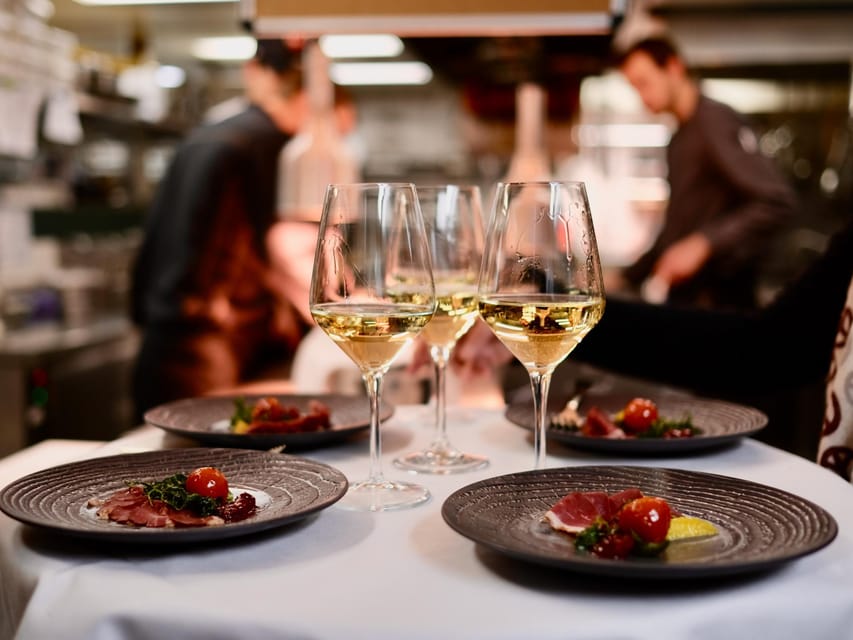
In winter, your meeting point is Restaurant Mirabeau. The details you have mention transfers and three kitchen stops, but they do not spell out the winter restaurant names.
Practically, that means you should be prepared for the route to shift with the season. The good part is that the structure stays the same: multiple kitchens, cab rides, then the included meal.
If you’re choosing winter for weather reasons or because your schedule is tight, that is totally fine. Just make sure you’re comfortable that the exact restaurant lineup may differ from summer.
Why the small group size is more than a marketing detail
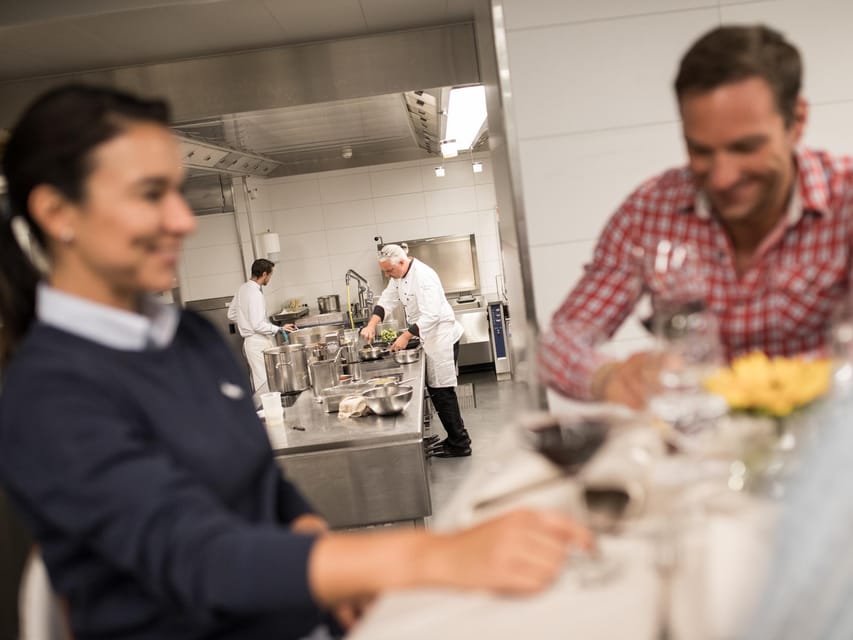
This tour is limited to 4 participants. That matters because kitchen time is not like walking through a viewpoint. Cooks need space and flow, and a large group can throw off the rhythm.
A small group also tends to improve the quality of your experience because you can actually watch. You’re not fighting for a clear line of sight. You’re also more likely to have room for back-and-forth questions with the host or greeter.
One more practical point: the included cab rides between restaurants help keep the tour smooth within a short 3-hour window. You spend less time relocating, which means more time in kitchens and less time in transit.
The meal: regional 3-course dining plus Valais wine
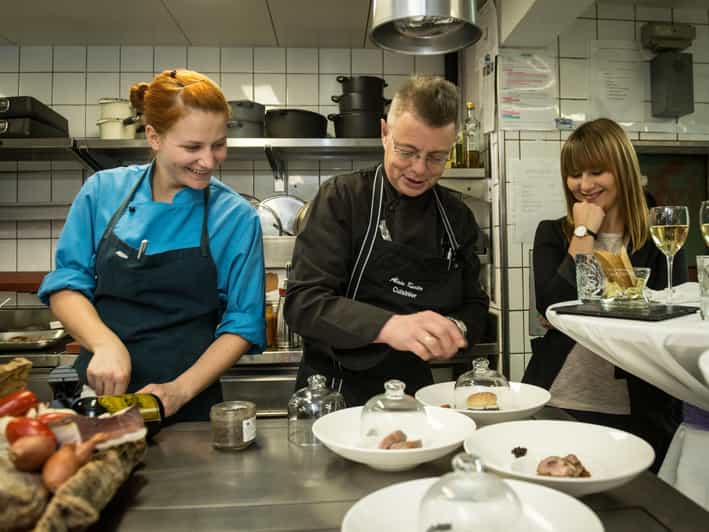
After the kitchen stops, you sit down for a seasonal regional 3-course menu in a private setting. The tour includes:
- Three glasses of Valais wine
- Coffee
- A digestif
That combination is a thoughtful pacing choice. Wine with courses helps you understand how flavor profiles shift throughout a meal. Coffee and a digestif are also a classic closing rhythm in Swiss and Alpine dining culture, giving the evening structure.
You can also treat the meal as a “review” of what you saw earlier. When you taste, you’re not starting from zero. You’ve just watched portions of the workflow, so you’ll likely recognize ingredient handling and technique choices more easily.
One thing to keep in mind: additional drinks are not included. So if you’re the type who keeps ordering beyond the included wine, you’ll want to budget accordingly.
What you can learn and why it may help at home
The tour is not just about spectacle. The concept includes learning about the ingredients and techniques that make each dish unique.
Even if you never cook the same exact dish at home, you can still pick up useful kitchen thinking:
- Why certain ingredients are chosen for flavor and texture
- How timing and prep affect the final plate
- How a regional menu is built around local identity
Because the experience is short, you probably will not leave with a full recipe booklet. Instead, you’re likely to take away a handful of practical notes that make you a more confident cook, or at least a more informed eater.
When this tour might not fit your expectations
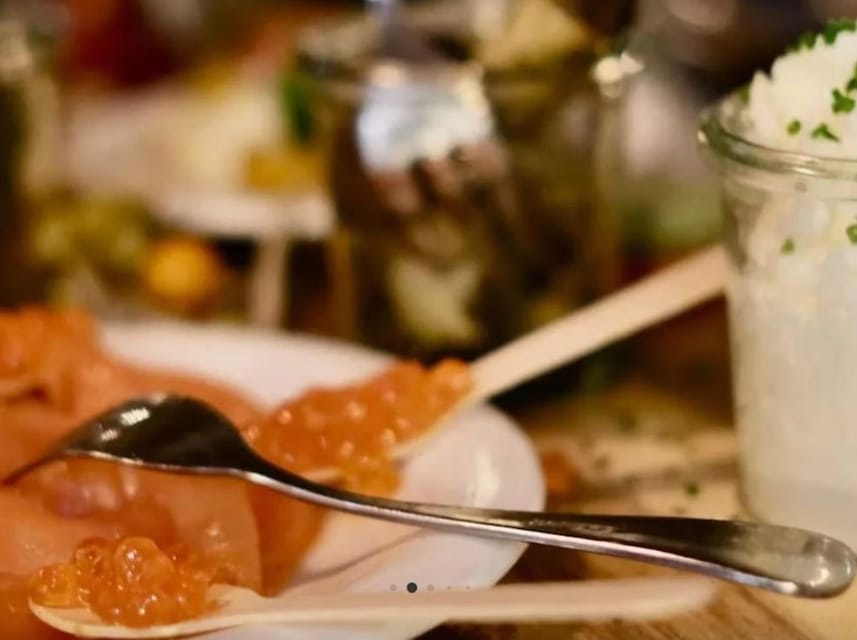
For most people who love food, this tour makes sense. Still, there are a couple of ways it might feel disappointing.
The first is mismatch risk. In one past booking, the experience was criticized as disorganized, with kitchen access and restaurant stops not matching what was expected. That doesn’t mean it will happen to you, but it is a fair reason to be cautious with a paid, high-expectation kitchen tour.
If you book, I’d recommend you confirm what kitchens are included for your date and season. You should know the three restaurant names you will be visiting, so there are no surprises.
The second issue is fit for families. This experience is not suitable for children under 16, and the tour includes wine. Even if kids could physically attend, the format is built for an adult dining pace.
Finally, because it is pricey, the “value” only holds if you get the full kitchen access plus the meal. If your main goal is just a leisurely dinner, you may be happier choosing a restaurant reservation and spending your time without scheduled kitchen stops.
Should you book the Zermatt gastro kitchen tour?
Book it if you want a short, focused food experience where you get both the kitchen view and the meal, and you enjoy regional cooking enough to pay for the extra access. The small group limit and the included Valais wine plus coffee and digestif make it a better deal than piecing everything together on your own.
Skip it if you want a long, free-flow evening, you are traveling with someone who needs kid-friendly content, or you dislike tours with fixed schedules. And if you are the type who needs certainty, double-check the listed kitchen stops for your season before you go.
If those boxes fit, you’ll likely come away with more than full stomach. You’ll have real context for the dishes, and you’ll remember what it looked like while it was cooking.
FAQ
How long is the Zermatt gastro tour?
It lasts 3 hours.
What is the price per person?
The price is $167 per person.
Where do I meet for the tour in summer?
In summer, the meeting point is Hotel National, Matterstrasse 39, 3920 Zermatt.
Where do I meet for the tour in winter?
In winter, the meeting point is Restaurant Mirabeau, u. Mattenstrasse 12-14, 3920 Zermatt, Switzerland.
What’s included in the tour meal?
You get a three-course menu, plus three glasses of Valais wine, coffee, and a digestif.
Is the tour a small group?
Yes. It is limited to 4 participants.
Is the tour suitable for children?
No, it is not suitable for children under 16.
Is the tour wheelchair accessible?
Yes, it is wheelchair accessible.
Final call: book or pass
If you love food and you want to see the “how” as well as the “what,” this is a strong match. Just make sure you are comfortable with the short schedule, the small group format, and the fact that kids under 16 are not included.
Added lately around Zermatt
Zermatt Experiences, compared.
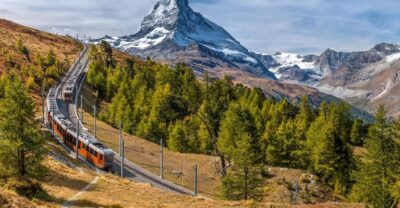
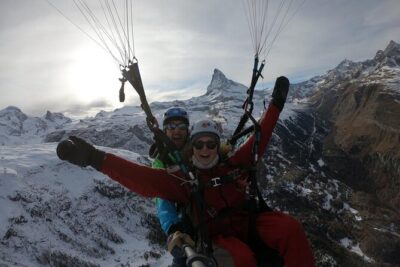
Matterhorn Paragliding flight in Zermatt (20-25min)
Read our review →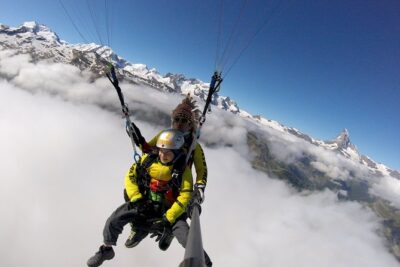
FLYMATTERHORN VIP Paragliding from Zermatt, With Matterhorn View
Read our review →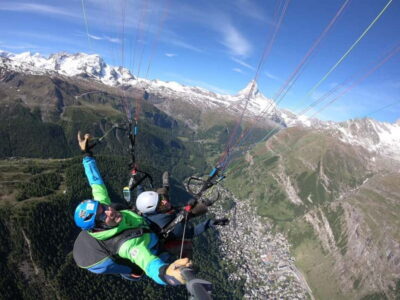
Tandem Paragliding Flight – Best Matterhorn Views
Read our review →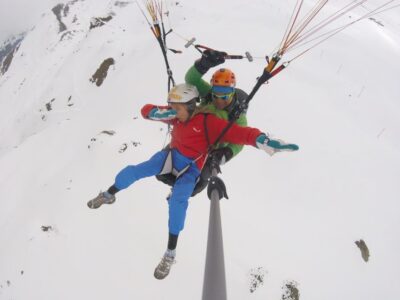
HALF DAY 3-Hour Private Ski Lessons in Zermatt, Switzerland
Read our review →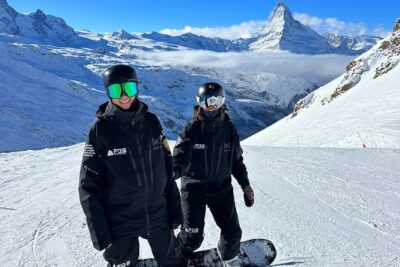
Browse the lists this tour appears in