Reviewed · GUIDED
Winterthur: Guided Tour of the Sulzerareal District
A factory past still breathes here. This 2-hour tour in Winterthur’s Sulzer Area shows how old industry gets reused, with history explained on the ground where it happened.
I like two things right away: the many historical explanations and anecdotes that give the place personality, and the way the guide ties the steam-engine era to what is working today. You do need to be comfortable with German, because that is the live tour language.
In This Review
- Key takeaways
- Meeting the boiler house: where the Sulzer story begins
- What makes this a good 2-hour guided walk (and not a long lecture)
- Steam engines and locomotives: why that detail matters
- From production to creativity: students, designers, and entrepreneurs
- The City Council in the Sulzer Area: a signal of real integration
- Pricing and value: what $32 buys you in real terms
- Practical expectations: German guide, short route, and how to prepare
- Should you book this Sulzer Area guided tour?
- FAQ
- How long is the Winterthur Sulzer Area guided tour?
- Where is the meeting point?
- What language is the live tour guide?
- What is included in the tour price?
- How much does the tour cost?
- Is the tour wheelchair accessible?
- Can I cancel and get a full refund?
- Is pay later available?
- What is the main focus of the tour?
- Who provides the tour?
Key takeaways
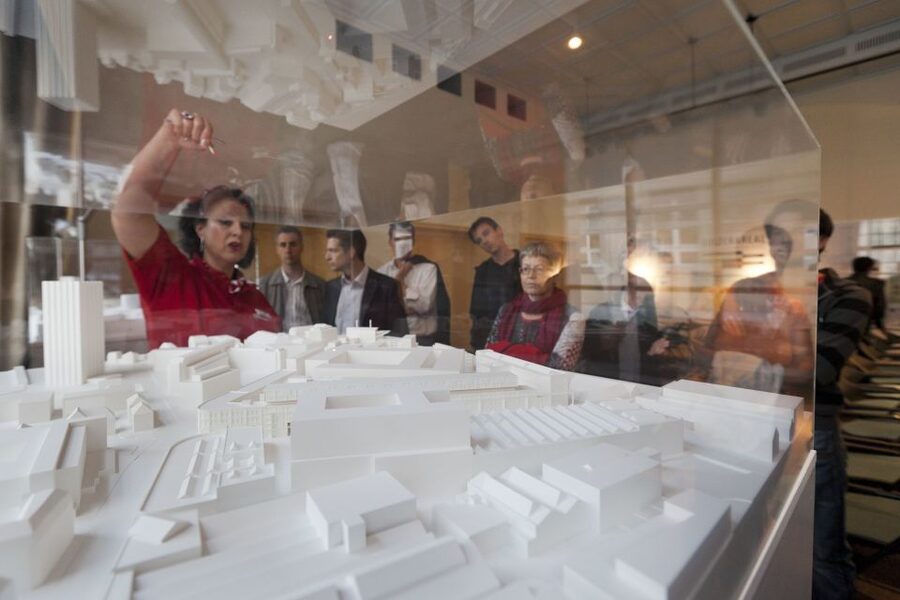
- Boiler house start point gives you context fast, before you move into the district story
- Former steam and locomotive work becomes part of the route, not just a vague backstory
- Creative reuse focuses on students, designers, entrepreneurs, and residents shaping the space
- City Council presence shows how the area functions as part of Winterthur today
- Engaged guiding style brings the industrial quarter’s character to life through real details
Meeting the boiler house: where the Sulzer story begins
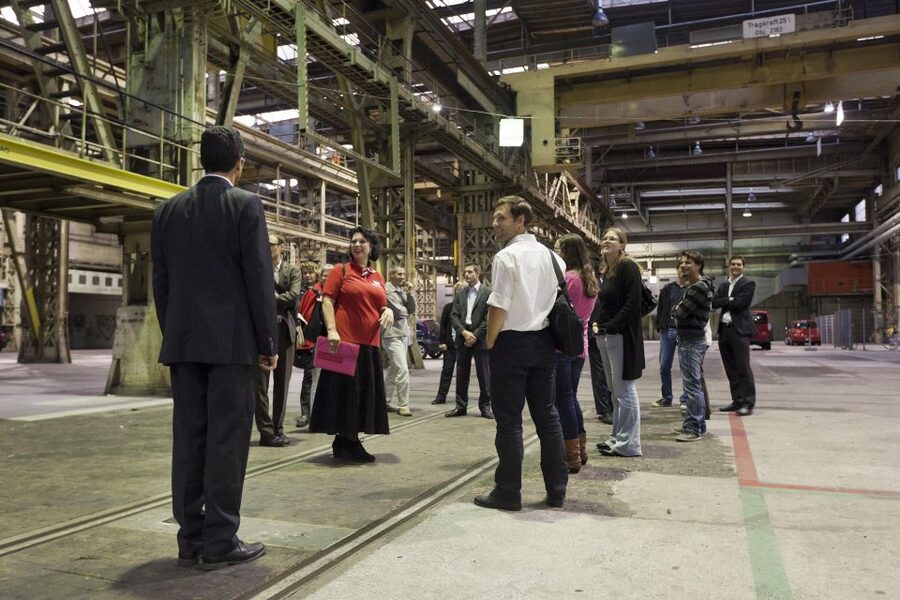
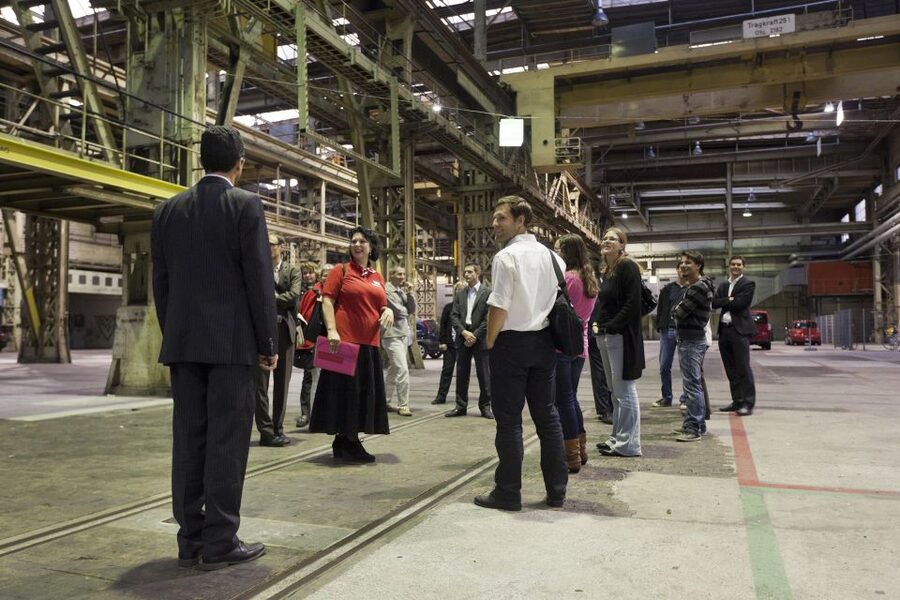
If you like places with both machines in the walls and people in the streets, this tour has your name on it. You meet in front of the boiler house, which is a smart starting point because it anchors the whole visit in industrial reality, not just photos and brochures.
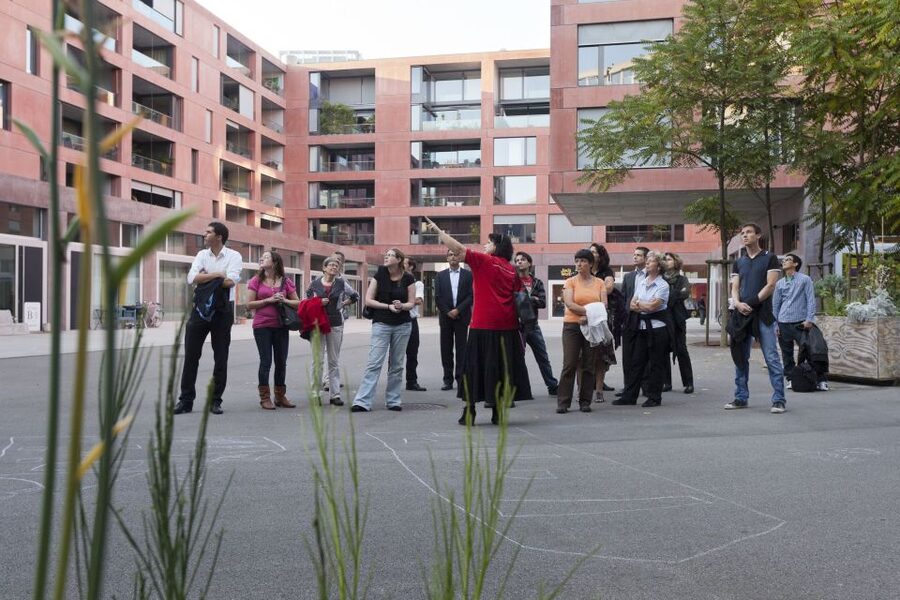
From there, the guide frames the Sulzer Area as a former industrial quarter that has not gone quiet. Even though large-scale production is no longer the point, the area still carries that sense of momentum. The tour is built around the idea of departure and change, meaning you see how the district moved from heavy engineering to a mixed-use zone full of new energy.
One practical note: this is a short, tight route. With only 2 hours, you should expect a concentrated walk with a clear narrative, not a slow wander where you can linger everywhere.
What makes this a good 2-hour guided walk (and not a long lecture)
This is the kind of guided tour that respects your time. The format stays focused: you get context about what was built here, then you get explanations about how the district now works as a hub for learning, work, and daily life.
I especially like how the tour connects past and present. The message is not just old stuff and then new stuff. It is more like, the same space, different purpose, with optimism still in the air. When the guide points out how students, designers, entrepreneurs, and residents use the area today, it helps you understand why the Sulzer Area feels alive.
If you are hoping for museums with ticketed exhibits at every stop, you might feel slightly limited. This is a city district experience, driven by storytelling and street-level observation.
A few more departures worth comparing in Zurich
- Lindt Home of Chocolate Museum Entry Ticket
★ 4.7 · 9,329 reviews - Zurich: Grindelwald, Interlaken & Lauterbrunnen Day Trip
★ 4.6 · 7,123 reviews - Zurich: City Tour, Cruise, and Lindt Home of Chocolate Visit
★ 4.5 · 4,624 reviews
Steam engines and locomotives: why that detail matters
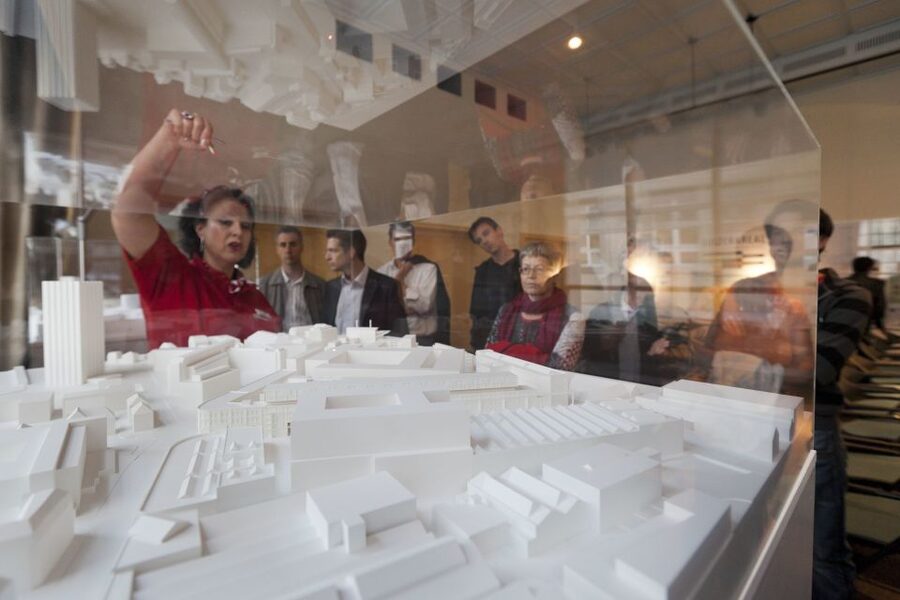
A lot of industrial tours stop at, it used to be factories. This one goes further by naming what those factories actually produced. Where steam engines and locomotives were once built, you get a sense of scale and ambition, and you can see why the buildings and infrastructure were designed for heavy work.
That matters because it changes how you look at the architecture. Instead of imagining empty industrial shells, you start noticing what the space would have needed to function: room for industry, space for movement, and a layout made for work rhythms. Even without a hands-on workshop, you can mentally reconstruct the place, which is exactly what good guiding does.
The best part is that the guide uses historical explanations and anecdotes to make the setting feel human. It is not history pasted on top. It is history that explains why the district has its current shape and spirit.
From production to creativity: students, designers, and entrepreneurs
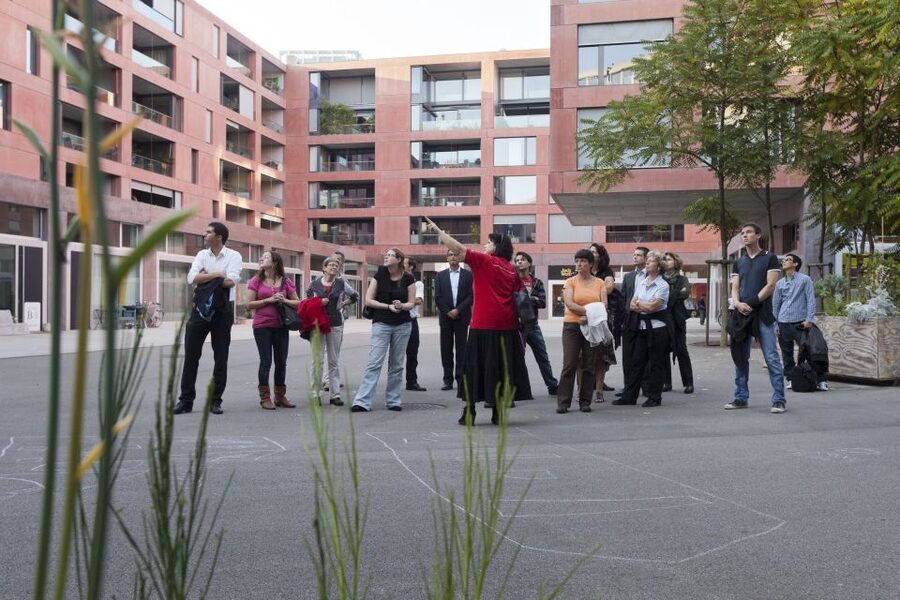
The Sulzer Area’s big idea is transformation with continuity. The tour describes how the optimism of the industrial era carries forward in new forms. Where machines once ruled the day, now you see a different mix of people using the same kind of space: students, designers, entrepreneurs, and residents.
I like this focus because it helps you judge the district beyond aesthetics. You are not just looking at trendy repurposing. You are learning how a community of different roles can share one place and keep it active. That is what makes a former industrial zone feel functional rather than staged.
In a short tour like this, the guide’s job is to point your attention to what you might miss on your own. If you come with curiosity and a bit of imagination, you will get a lot out of the way the guide explains what changed, and what did not.
The City Council in the Sulzer Area: a signal of real integration
One detail that adds weight to the whole experience is the fact that Winterthur’s City Council has found a home here. That is not a minor trivia point. It is a clue that the Sulzer Area is not only creative space in theory, it is part of the city’s actual everyday operations.
When civic life moves into old industrial buildings, it changes how the area is perceived. You stop treating it like a leftover district and start seeing it as a place where decisions, services, and coordination happen. On this tour, the guide uses that kind of example to reinforce the theme of change without losing character.
If you like cities that grow by reusing what already exists, this is the part where the tour clicks into place. It shows you how the area fits Winterthur as more than a weekend walk stop.
Pricing and value: what $32 buys you in real terms
At $32 per person for a 2-hour guided tour, you are paying for interpretation, pace, and access to someone who can connect the dots. This kind of district walk is mostly about what you notice, and the guide is the difference between reading a sign and understanding a place.
The value is strongest if you enjoy history that is spoken out loud, with specific stories rather than general slogans. The top feedback highlights that the tour is engaged, with plenty of historical explanations and anecdotes. That is the product you are buying: context you would not easily pick up on a solo stroll.
Now, here is the balanced consideration. One review thought the offering was too expensive at around CHF 50 per person. So if you are on a tight budget, you might want to compare this to other free walking options in Winterthur. But if you want a structured narrative and a guide who connects industrial heritage to today’s use, this price can feel reasonable for what you get.
Higher up, or further along the lake:
- From Zurich: Bus Day Trip to Heidiland and Liechtenstein★ 4.5 · 2,531 reviews
- Zurich: City Highlights Tour by Bus, Cable Car, and Ferry★ 4.4 · 2,366 reviews
- From Zurich: Stein am Rhein and Rhine Falls★ 4.6 · 2,206 reviews
- Mount Titlis and Lucerne Day Trip from Zurich★ 4.5 · 1,960 reviews
Practical expectations: German guide, short route, and how to prepare
This tour is led by a live guide in German. That is the big planning factor for English speakers. If your German is basic, you may still follow the main ideas, especially when the guide points out physical cues in the district, but it will be easier if you can understand the gist.
The meeting point is clearly set: in front of the boiler house. The tour is wheelchair accessible, so you can expect routing that is compatible with mobility needs. And since it is only 2 hours, you will want comfortable shoes and a good winter layer. Winterthurs weather can be crisp, and you do not want to spend the second half of the tour trying to stay warm instead of listening.
There is also a practical upside for planning stress: you can reserve and pay later, and cancellation is offered with a full refund if you cancel in time.
Should you book this Sulzer Area guided tour?
Book it if you want a focused, story-led walk through Winterthur’s former industrial quarter, and you care about how places change from steam-era work to modern use. I would especially recommend it if you enjoy guides who bring history to life with concrete details and anecdotes, because that is where the tour’s strongest feedback comes from.
Skip it if you need an English-speaking guide or you prefer self-guided museum-style stops with more time to wander. With only 2 hours and a German-only format, it is best for travelers who want clarity, not open-ended exploring.
If your goal is to understand why this district feels both old and new, and why the city is actively using the space, this tour makes that easy.
FAQ
How long is the Winterthur Sulzer Area guided tour?
The tour lasts 2 hours.
Where is the meeting point?
You meet in front of the boiler house.
What language is the live tour guide?
The live guide speaks German.
What is included in the tour price?
It includes an accompanied city tour.
How much does the tour cost?
The price is $32 per person.
Is the tour wheelchair accessible?
Yes, it is wheelchair accessible.
Can I cancel and get a full refund?
Yes, you can cancel up to 24 hours in advance for a full refund.
Is pay later available?
Yes, there is a reserve now, pay later option.
What is the main focus of the tour?
You explore the heritage of the former industrial quarter and the transformation of the Sulzer Area.
Who provides the tour?
The tour is provided by Tourist Information Winterthur.
Added lately around Zurich


Guided, compared.
Milan to St. Moritz: Scenic Bernina Train Tour with Guide
Read our review →
Chamonix & Mont Blanc Panoramic Sky-Glass Bus Guided Day Trip
Read our review →
City Bus Tour with Audio Guide and Lake Cruise
Read our review →
Lindt Home of Chocolate Guided Tour & Entry Ticket
Read our review →