Reviewed · ZURICH EXPERIENCES
Switzerland: Swiss Half-Fare Card
A Swiss rail pass only feels simple until you try pricing it. The Swiss Half-Fare Card makes Switzerland feel more manageable by cutting public transport costs by up to 50% for 30 days, including many mountain railways and cable cars. I like the flexibility of starting from any town, plus the fact you can use it for both first-class and second-class tickets. The main consideration is that it is a discount card, not a flat unlimited ride, so you still need to plan enough rides to cover the upfront cost.
The card is also a practical way to ride like you mean it, because Switzerland’s transit is built for hopping between towns. If you like classic excursions, the math often improves fast when you stack train travel with big mountain days like the route from Zurich to Grindelwald and onward to Jungfraujoch. Just keep an eye on the details, since seat reservations are not included on regional and scenic trains.
In This Review
- Key highlights that matter for planning
- What the Swiss Half-Fare Card actually does (and why it feels better than passes)
- Where you can use it: trains, boats, buses, and mountain routes
- A 30-day strategy: how I’d build a plan around half-fare value
- Start broad, then aim your bigger rides
- Use it to buy tickets in first or second class
- Plan around seat reservations, not just ticket prices
- Keep your route changes low-stress
- The QR code and ticket proof: the part that can save you real time
- Get the right document with the right QR code
- Use the card smoothly through ticket machines and apps
- Seat reservations and scenic trains: the detail people forget
- Swiss Family Card for kids: free travel, with real conditions
- Price and value: is $194 for 30 days really a good deal?
- Who this suits best, and who should think twice
- Should you book the Swiss Half-Fare Card?
- FAQ
- Is the Swiss Half-Fare Card valid for 30 days?
- Where in Switzerland can I start using it?
- What does the Swiss Half-Fare Card discount cover?
- Can I buy first-class and second-class tickets with the card?
- Do kids travel free with it?
- Are seat reservations included?
- What documents do I need to bring?
- Who is eligible to purchase the card?
Key highlights that matter for planning
- Up to 50% off trains, buses, boats, and most mountain railways and panoramic trains
- Valid for 30 days, so you can pace your trip instead of cramming
- First or second class tickets, bought using your half-fare card
- Skip the ticket line when you’re ready to travel
- Swiss Family Card gives kids 6 to 16 free travel when conditions are met
- Non-residents only, so it is not an option for Swiss or Liechtenstein residents
What the Swiss Half-Fare Card actually does (and why it feels better than passes)
At its core, this card is about math and convenience. Switzerland’s transport system is world-class, but ticket prices add up quickly, especially if you do multiple day trips or include a couple of mountain rides. With the Half-Fare Card, you’re not paying full price for most public transport, so your budget behaves better even when your itinerary changes.
I also like the way it fits real travel habits. You do not have to lock yourself into a single “use it every day or you waste it” plan. With 30-day validity, you can do a few heavier travel days and keep lighter days for wandering, museums, lake time, or a slower pace.
The other reason it feels smart is range. You get the half-fare benefit across a broad slice of Switzerland, including common links between cities and the kinds of scenic routes that often cost extra when you buy full-price tickets.
Where you can use it: trains, boats, buses, and mountain routes
Swiss transport can mean a lot of different things, and this card covers many of them. You can use it on:
- Trains (including most mountain railways and panoramic trains)
- Buses
- Boats
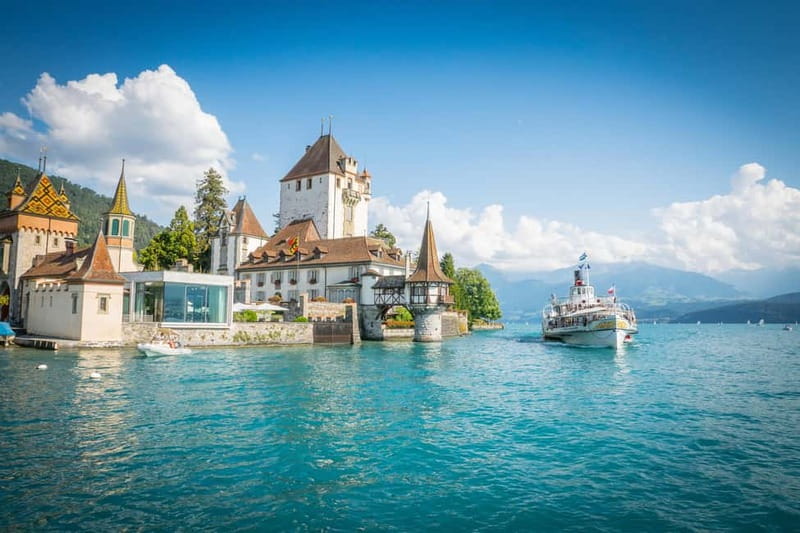
- Cable cars and other mountain-linked rides that are part of the public transport network in Switzerland
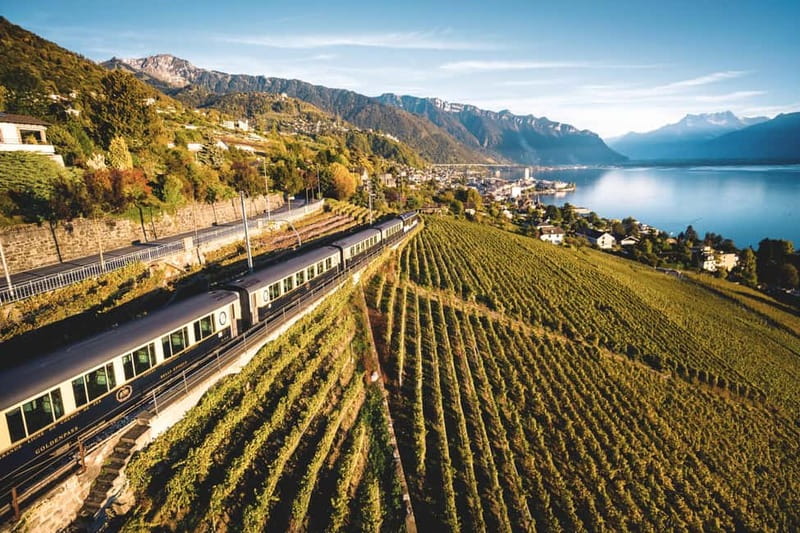
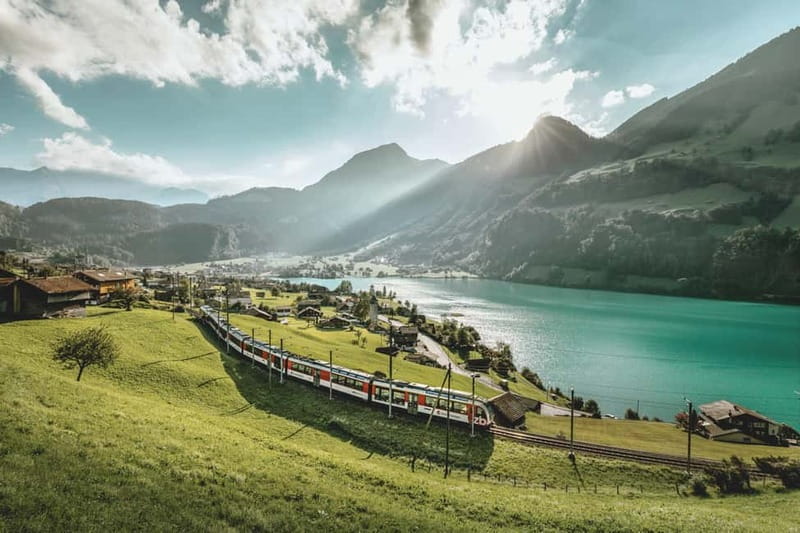
That matters because Switzerland’s biggest “wow” factor is often tied to transit. You might think you’re booking a view, but you’re really booking the right connection. This card makes that easier by reducing the cost of the connection itself.
One more practical point: the card covers travel across over 90 towns and cities, so you are not limited to one region. If you’re planning a multi-base trip, it helps you avoid the classic “We’re spending too much just getting between places” problem.
A few more departures worth comparing in Zurich
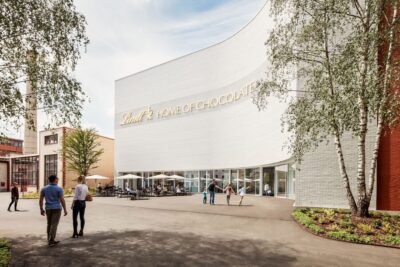
- Lindt Home of Chocolate Museum Entry Ticket
★ 4.7 · 9,329 reviews - Zurich: Grindelwald, Interlaken & Lauterbrunnen Day Trip
★ 4.6 · 7,123 reviews - Zurich: City Tour, Cruise, and Lindt Home of Chocolate Visit
★ 4.5 · 4,624 reviews
A 30-day strategy: how I’d build a plan around half-fare value
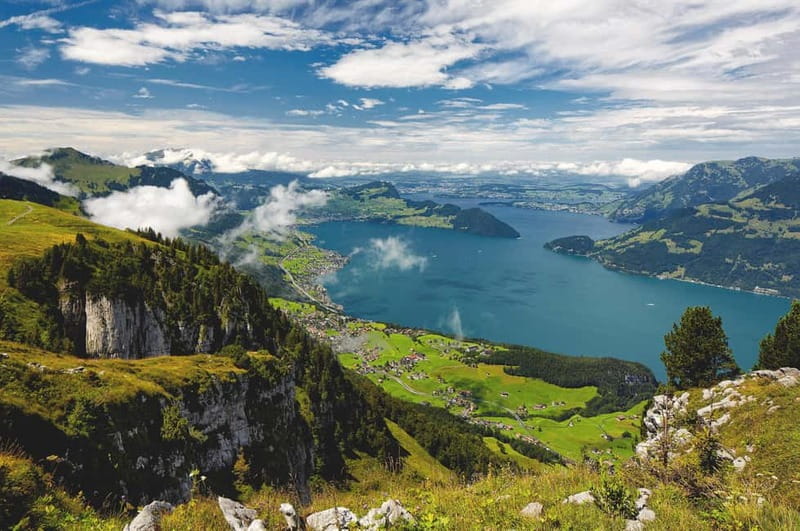
You could use this card like a daily discount, but you can get more satisfaction if you use it like a plan tool. Here is how I’d approach it with a 30-day window.
Start broad, then aim your bigger rides
In the beginning, I’d let your first week help you decide what to emphasize. Switzerland can be either relaxed or intense depending on what you choose to do. Your half-fare card works best when you spot the expensive pieces of your itinerary, then make those pieces slightly cheaper.
A solid example people often structure their trip around is:
- A main base in a big city like Zurich
- One or more mountain days that start with a major train leg (often the Zurich to Grindelwald type of route)
- A farther summit day when it makes sense, such as Jungfraujoch in the Jungfrau region
You do not have to copy that exact pattern, but the logic is the same. Pick at least a couple of “big day” excursions, because that’s where half-fare tends to move the needle.
Use it to buy tickets in first or second class
The Half-Fare Card lets you buy first-class or second-class tickets using your discount. That gives you flexibility. If you want a calmer ride once in a while, you can upgrade your comfort without blowing up the budget.
Plan around seat reservations, not just ticket prices
The card gives you discounted travel, but it does not automatically handle every operational detail. In particular, seat reservations are not included on regional and scenic trains. That means you should factor in the possibility of extra steps depending on the route and train type you choose.
Higher up, or further along the lake:
- From Zurich: Bus Day Trip to Heidiland and Liechtenstein★ 4.5 · 2,531 reviews
- Zurich: City Highlights Tour by Bus, Cable Car, and Ferry★ 4.4 · 2,366 reviews
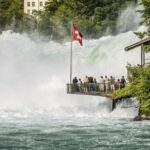
- From Zurich: Stein am Rhein and Rhine Falls★ 4.6 · 2,206 reviews
- Mount Titlis and Lucerne Day Trip from Zurich★ 4.5 · 1,960 reviews
Keep your route changes low-stress
Because you’re paying half fare rather than a single bundled price, you can shift plans without feeling trapped. If you see a better connection or a more interesting excursion on a given day, the cost shock is smaller.
The QR code and ticket proof: the part that can save you real time
For something that is meant to be easy, the “how do I prove it” piece is where people trip up. Here is what I think you should do so you feel confident on the platform and onboard.
Get the right document with the right QR code
The card is used with a QR-code proof. Some people get confused when they only have a voucher or a generic confirmation. What you actually want is the document that includes the QR code, the SBB branding, and your full name.
If you are planning to use the card during inspections, treat your proof like your passport. Save it in a place you can reach instantly, and keep a backup (for example, a screenshot) in case your phone battery or connection acts up.
Use the card smoothly through ticket machines and apps
One review tip that lines up with how rail systems behave in Switzerland is that the card works easily at ticket machines when you select the half-fare option. Another helpful point: buying through the SBB app can be simpler because your ticket info is already in the same ecosystem you use for travel.
Also, you might find that third-party booking tools can work, especially for planning routes. Still, my advice is to verify you truly have the half-fare card proof ready before relying on any third-party flow.
Seat reservations and scenic trains: the detail people forget
This is not a “unlimited everything” pass. It is a half-price card, applied to public transport tickets. The practical consequence is that certain services still have rules about seating.
The data is clear on this one: seat reservations on regional and scenic trains are not included. Translation for your planning brain is simple. If a route or train type you want commonly uses reservations, you might need to manage that part separately so you have a seat when you want one, especially on popular scenic legs.
This is one of the biggest reasons to double-check plans the day you travel. Half-fare is the price advantage, but seat management is the comfort advantage.
Swiss Family Card for kids: free travel, with real conditions
Families can get strong value here, but the rules matter.
The card includes a complimentary Swiss Family Card for children aged 6 to 16. Those kids can travel free, but there’s a key condition: the child must be accompanied by at least one parent who holds a Swiss Half-Fare Card and has a valid ticket.
So if you’re traveling as a family, I’d set up the paperwork early and make sure everyone’s documentation is ready. This avoids the awkward moment where a child’s free travel depends on an adult meeting the requirement.
If you are traveling with kids who fall outside that age range, the Half-Fare Card logic still applies to the adults and eligible children, but the free travel benefit may not apply the same way.
Price and value: is $194 for 30 days really a good deal?
Let’s talk about the part that decides everything: $194 per person for 30 days.
Switzerland’s transport is not cheap, and the whole reason half fare cards exist is that the country charges accordingly. This discount can pay for itself quickly if your plans involve a mix of:
- multiple train rides across regions
- one or more cable car or mountain railway days
- scenic connections where people often buy full-price tickets without thinking about cost
A practical break-even test you can use is this: count the major paid legs you plan to take, especially long train journeys and at least one mountain excursion. If your itinerary includes enough of those to equal roughly a couple of big full-price trips, you’re often in the “worth it” zone.
One more value note: some people compare this against other Swiss options and choose half fare because it can be cheaper, particularly when the “big rides” are spread out and you still want freedom. That makes sense because the half-fare card discounts what you actually do, instead of forcing you to match one pre-set idea of value.
Who this suits best, and who should think twice
This card is a strong fit if:
- You plan to move around Switzerland by public transport
- You want to do scenic mountain days using trains and cable cars
- You want flexibility across multiple towns without committing to one ultra-fixed itinerary
- You have kids age 6 to 16 and can use the Swiss Family Card properly
It might be less worth it if:
- Your plan is mostly one city with minimal trips out
- You are not confident you’ll take enough public transport to offset the cost
- You are not comfortable managing discount proof and the basics of ticketing during inspections
Should you book the Swiss Half-Fare Card?
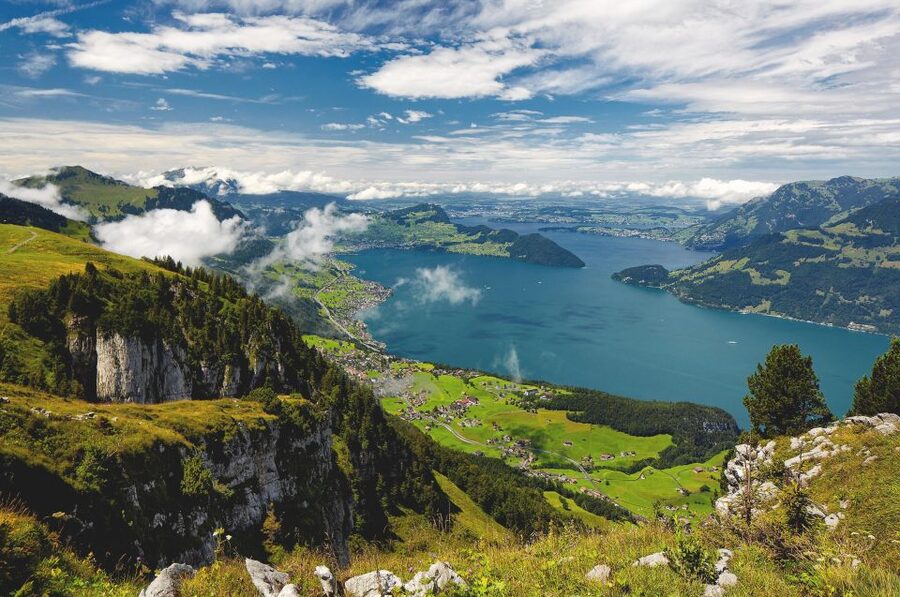
If your Switzerland plan includes more than a couple train rides and at least one mountain-style day, I’d book it. The card is designed for the way most people actually travel in Switzerland: hopping between towns and chasing views up the rail network.
If you are uncertain, use this decision rule. Look at your rough itinerary and circle the expensive transport moments, especially long scenic journeys and cable car or mountain railway connections. If those moments happen often enough, the half-fare math tends to work out.
FAQ
Is the Swiss Half-Fare Card valid for 30 days?
Yes. It is valid for 30 days, and you can use it to buy first-class or second-class tickets during that period.
Where in Switzerland can I start using it?
It does not have a fixed starting point. You can start your journey in any city or village you choose.
What does the Swiss Half-Fare Card discount cover?
It offers up to 50% off public transportation in Switzerland, including trains, buses, boats, and most mountain railways and panoramic trains.
Can I buy first-class and second-class tickets with the card?
Yes. You can use the Half-Fare Card to buy first-class or second-class tickets.
Do kids travel free with it?
Yes. Children aged 6 to 16 can travel free with the complimentary Swiss Family Card, as long as they are accompanied by at least one parent who holds a Swiss Half-Fare Card and has a valid ticket.
Are seat reservations included?
No. Seat reservations on regional and scenic trains are not included.
What documents do I need to bring?
You should bring a passport or ID card.
Who is eligible to purchase the card?
The Swiss Half-Fare Card can only be sold to non-residents of Switzerland or Liechtenstein.
Added lately around Zurich




Zurich Experiences, compared.
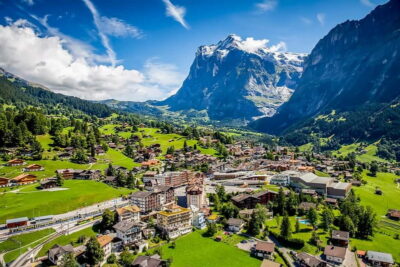
Grindelwald, Interlaken & Lauterbrunnen Day Trip
Read our review →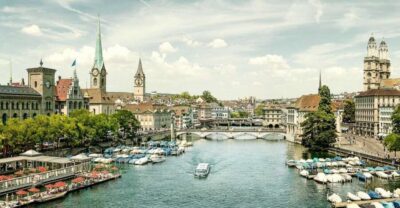
City Tour, Cruise, and Lindt Home of Chocolate Visit
Read our review →

City Highlights Tour by Bus, Cable Car, and Ferry
Read our review →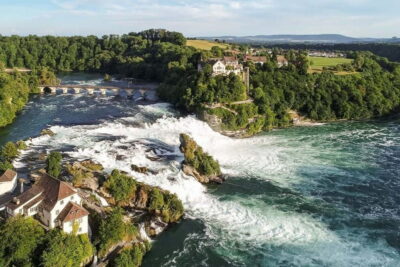

Mount Titlis and Lucerne Day Trip from Zurich
Read our review →