
Reviewed · CRUISES & BOAT TOURS
Swiss Travel Pass: Unlimited Travel on Train, Bus & Boat
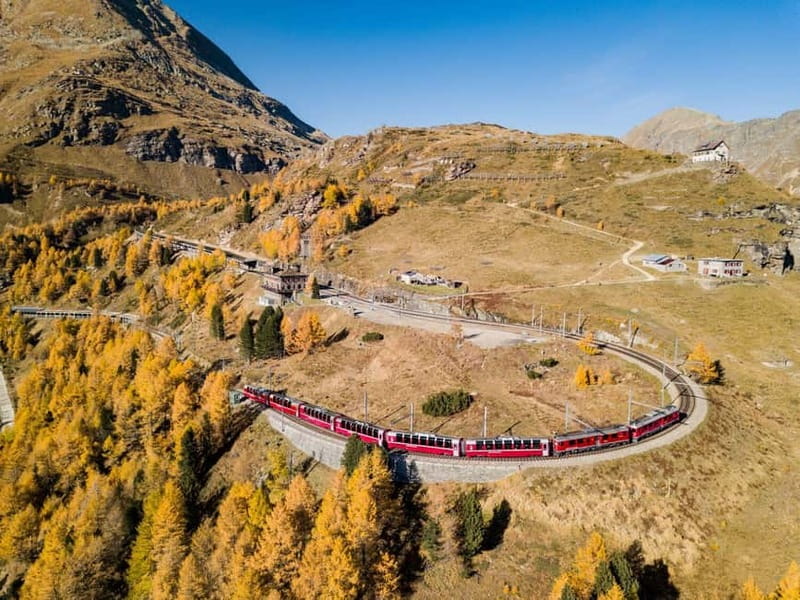
Swiss rail travel gets easier fast. The Swiss Travel Pass bundles unlimited public transport across Switzerland and free museum entry to 500+ places into one ticket, which makes planning simple. One key catch, some panoramic trains require a paid seat reservation, so you should plan ahead for those big-name rides.
I like how this pass is built for real-life travel, not rigid sightseeing. You can hop between towns on trains, buses, and boats, then switch plans when the weather changes or your energy level changes. The result is less time hunting tickets and more time moving through Switzerland at your pace.
Key things that make this pass worth your attention
- Unlimited rides on trains, buses, and boats across over 90 towns and cities
- 500+ museums included, including the Paul Klee Center and the FIFA World Football Museum
- Mountain discounts, with free rides on Rigi, Stoos, and Stanserhorn
- Up to 50% off on many other cableways and mountain excursions
- Kids up to 15 ride free with parents on trains, boats, and buses
- Panoramic train seat reservations may cost extra on select services
In This Review
- Unlimited Swiss Transport That Actually Saves Your Head
- Price and Value: When $327 Stops Feeling Like a Splurge
- Continuous vs Flexi: Choosing a Pass That Matches Your Rhythm
- How Seat Reservations Work on Panoramic Trains (The Main Planning Detail)
- Museums Included: Build Your Days Around Free Entry
- Mountain Excursions: Free Lifts on Rigi, Stoos, and Stanserhorn
- A Sample Route That Works: Zurich, Bern, Lausanne, and Geneva
- Day 1 to 2: Zurich, with a Football Museum Anchor
- Day 3: Bern, Paul Klee and Swiss History in One Base
- Day 4: Lausanne, Olympic Museum Focus
- Day 5: Château de Chillon and Lake-Time Energy
- Day 6 to 7: Geneva, Natural History and a Late-Trip Wind Down
- Getting the Most Out of the SBB App and Your Ticket
- Small Gotchas I’d Plan for Before You Board
- Who This Fits Best, and Who Might Not Need It
- Should You Book the Swiss Travel Pass?
- FAQ
- Do I need a meeting point for the Swiss Travel Pass?
- How long is the Swiss Travel Pass valid?
- Which types of transport are covered?
- Are panoramic trains fully included?
- Which mountain excursions are included or discounted?
- Are museums included?
- Can children travel for free?
- What do I need to bring?
- How do I use the digital ticket after booking?
Unlimited Swiss Transport That Actually Saves Your Head
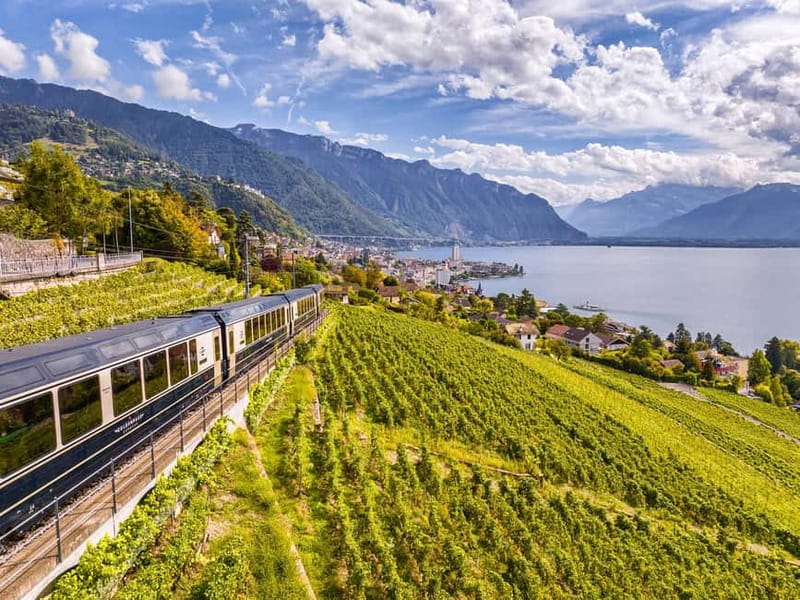
This pass is at its best when you want freedom without the daily ticket math. Instead of buying point-to-point tickets and trying to predict the next connection, you use the network as it works. Switzerland’s public transport is frequent, and that’s exactly the kind of system where an all-in-one pass shines.
You get unlimited access by public train, bus, and boat in over 90 towns and cities. That matters because Switzerland is spread out. Even when the distance is short, the easiest route is often a train to a small town, a boat across a lake, then a local bus up to the station area.
I also like the “decision flexibility” angle. If you start the day in one city and decide you want a lake afternoon instead, you can switch without scrambling for tickets. I’ve found that kind of freedom is what turns a stressful trip into a relaxed one.
Price and Value: When $327 Stops Feeling Like a Splurge
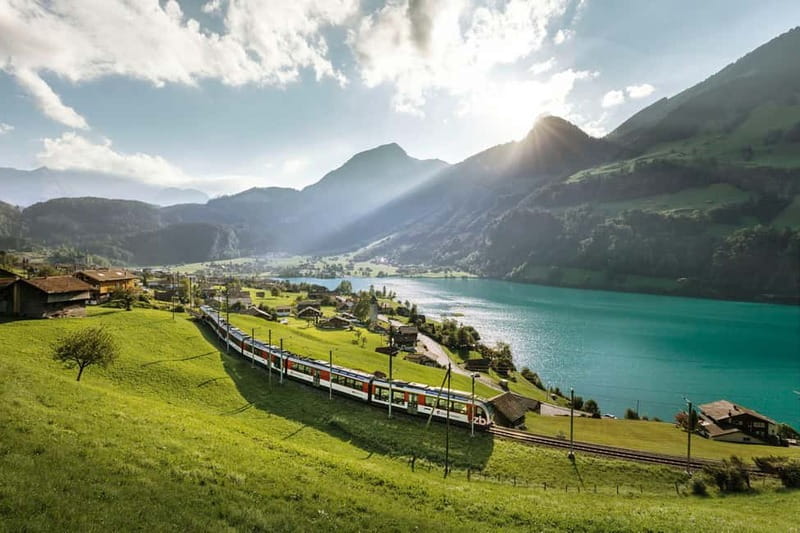
At $327 per person for 3 to 15 days, the pass is not cheap. The good news is that it’s not a “maybe” product either. It’s designed to pay off when you do two things that Switzerland is famous for: museums and scenic transport.
Here’s how the value usually stacks up based on what the pass includes:
- Transportation bundled: You can use rail, bus, and boat without buying separate tickets for most public routes.
- Museums included: Entry to 500+ Swiss museums adds up fast if you plan more than a single museum day.
- Mountain reductions: Many mountain excursions get a discount, and some are included for free (Rigi, Stoos, Stanserhorn).
If you’re only doing one city for a short time and skipping most museums and mountains, you might find the pass less compelling. But if your plan includes multiple towns, at least a couple of museums, and some cable cars or funicular rides, the bundled nature starts to look like smart pre-planning.
Continuous vs Flexi: Choosing a Pass That Matches Your Rhythm
There are two broad pass types: Continuous and Flexi, and you can choose durations of 3, 4, 8, or 15 days.
This is the part that matters most for avoiding wasted days: the pass works on a dating system. Each pass is valid from 12:00 AM on the first date to midnight on the last date. So if you’re flying in late and leaving early, you should think about whether your “in Switzerland” time really matches the pass days you pick.
With a Flexi-style approach, you select travel days so you don’t pay for days you’re not using. That tends to fit people who:
- arrive, then do a few heavy sightseeing days
- want rest days or weather cushion built in
- keep plans changeable
A Continuous pass tends to fit people who move around almost daily. If you’re the type to jump trains every morning and keep museums on standby, continuous days can feel like less effort.
More Boat Cruises in Switzerland:
- Zurich: City Tour, Cruise, and Lindt Home of Chocolate Visit
★ 4.5 · 4,624 reviews - Geneva: 50-Minute Lake Geneva Cruise
★ 4.3 · 4,063 reviews - Award-Winning Geneva Chocolate &Old Town Tour with Boat Ride (3h)
★ 5.0 · 3,721 reviews
How Seat Reservations Work on Panoramic Trains (The Main Planning Detail)
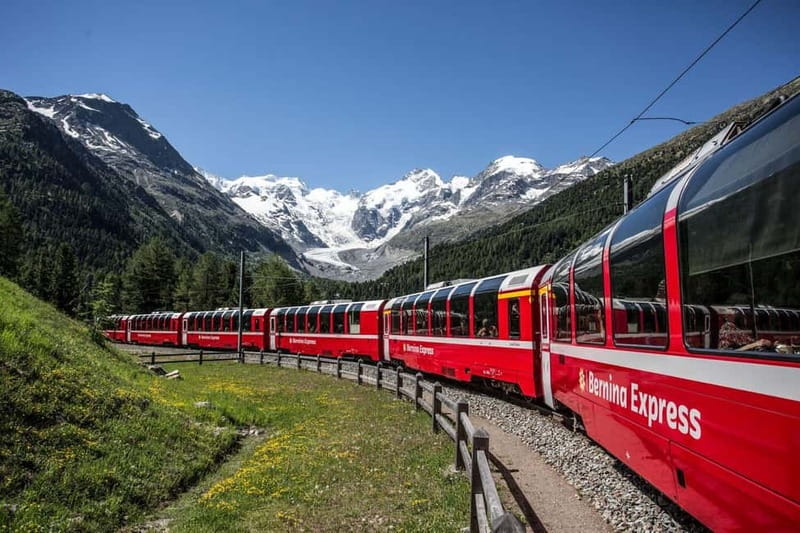
The Swiss Travel Pass covers a lot of rail. But the pass is not a universal “no extra steps” ticket. For panoramic trains like the Glacier Express and Bernina Express, you need a paid seat reservation.
This is one of the most important considerations because it affects two practical things:
- your planning timeline
- how smooth the experience feels when trains get busy
In the real world, some routes can sell out seats. And if that happens, you might be limited even if you technically hold a valid pass. So my rule of thumb is simple: if the panoramic train is a core part of your plan, treat reservations as part of booking the trip, not an afterthought.
For non-reservation routes and standard public trains, the pass is straightforward. You show your pass when checked, and you ride.
Museums Included: Build Your Days Around Free Entry
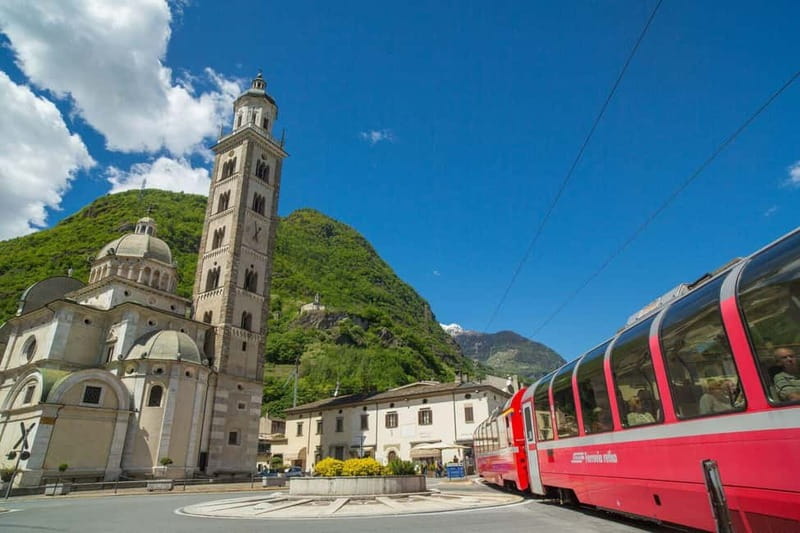
What I love most about this pass is how it supports an “easy day plan.” Museums are perfect for Switzerland because you can do them in between train rides and it keeps your schedule flexible.
The pass includes free entry to major museum names such as:
- the FIFA World Football Museum in Zurich
- the Paul Klee Center in Bern
- the National History Museum of Bern
- the Natural History Museum of Geneva
- the Olympic Museum in Lausanne
- Château de Chillon
- the Ballenberg Swiss Open-Air Museum
A smart way to use this: pick one museum anchor per city day, then leave room for the “in between” time. That might be a lakeside walk, a short ride to a viewpoint, or a low-key meal. Because the pass handles transport, your bottleneck becomes time and energy, not tickets.
Also, keep expectations realistic. Free museum entry does not mean every museum is a quick stop. If you want to see a lot, I’d plan shorter museum windows on travel days and save your longer sessions for your most interesting base town.
Mountain Excursions: Free Lifts on Rigi, Stoos, and Stanserhorn
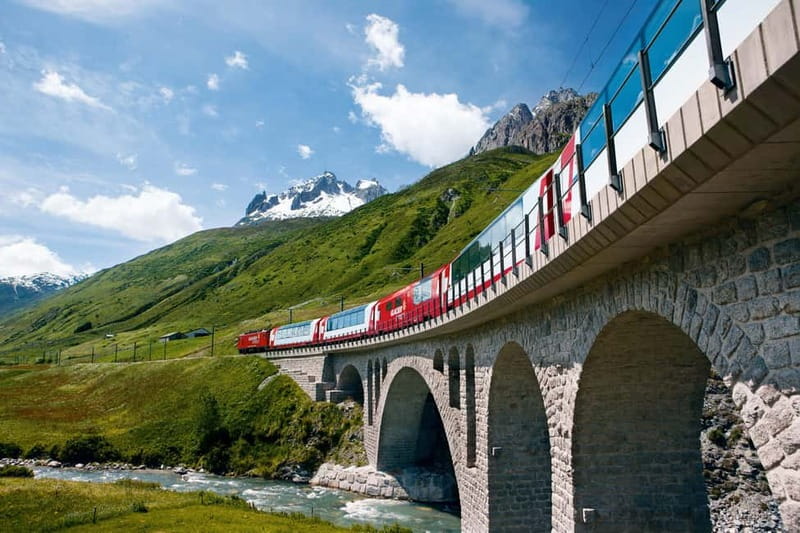
This is where the Swiss Travel Pass can feel like a secret weapon for value. The pass includes free travel on Rigi, Stoos, and Stanserhorn. It also provides up to 50% off on many other mountain excursions and cableways, including big-name options like Gornergrat and Titlis.
Why this matters: Switzerland’s mountains are not just scenery. They’re a schedule driver. Once you know you can get up a mountain without paying full price for lifts, you can build a day around altitude and views without constantly recalculating cost.
A practical approach:
- Put one included lift day (Rigi, Stoos, or Stanserhorn) into your itinerary early.
- Then add one discounted cable car day if your pace allows it.
One extra planning note: some mountain railways and cable cars may still require reservation steps or have rules by service. The pass can reduce cost, but it doesn’t remove every operational detail.
A Sample Route That Works: Zurich, Bern, Lausanne, and Geneva
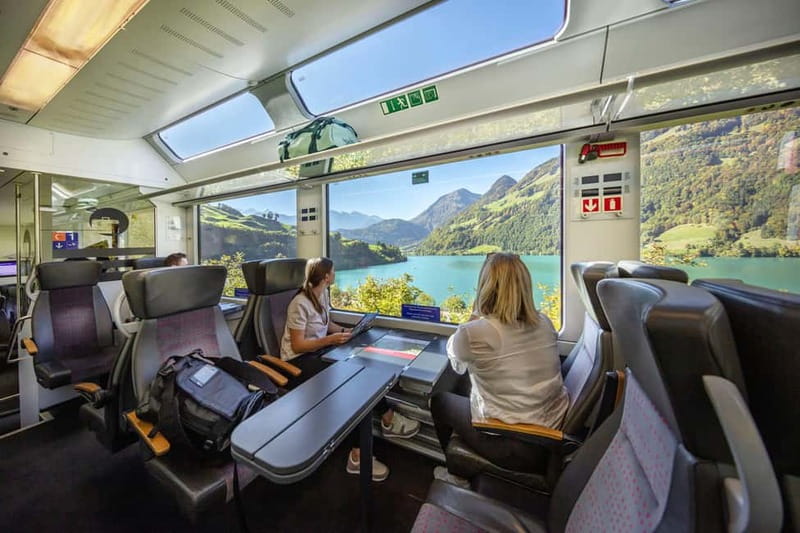
You do not need to follow a fixed itinerary, but it helps to picture how the pass connects meaningful stops. Here’s a practical “classic rail loop” you can adapt based on your interests, museums, and mountain days.
A few more departures worth comparing in Switzerland
- Lucerne: Mt. Pilatus Cable Car, Cogwheel Train & Lake Cruise★ 4.7 · 2,338 reviews
- Milan to St. Moritz: Scenic Bernina Train Tour with Guide★ 4.4 · 1,840 reviews
- Zermatt: Gornergrat Railway Cogwheel Train Ticket★ 4.7 · 580 reviews
- Geneva: Hop-on Hop-Off Bus & Scenic Mini-Train Tour★ 3.8 · 501 reviews
Day 1 to 2: Zurich, with a Football Museum Anchor
Start in Zurich. The FIFA World Football Museum is the obvious museum anchor here. After that, let the rest of the day be flexible. Since your transport is covered, you can decide on the fly whether you want another museum block, a scenic walk, or a quick ride out to reposition for the next city.
A drawback to plan for: city trains can get busy. If you’re traveling on a major corridor at peak times, you may find some trains are full. The fix is time management, travel earlier or later when possible, and keep your connections in mind.
Day 3: Bern, Paul Klee and Swiss History in One Base
Head to Bern, where you can stack culture efficiently. Two standouts included with free entry are the Paul Klee Center and the National History Museum of Bern.
Bern is a strong base because you can treat it as your “museum concentration day.” Then you can switch to a mountain day next, instead of trying to do everything in one place.
Day 4: Lausanne, Olympic Museum Focus
Move on to Lausanne for the Olympic Museum. It’s a distinct change from the art and history themes, and it gives you a break from pure rail hopping.
Since you’re using trains and boats as needed, Lausanne can also work well as a midpoint before heading toward lake and castle style stops.
Day 5: Château de Chillon and Lake-Time Energy
Use Château de Chillon as your anchor stop. This is the kind of outing that fits best when you want something iconic without turning the day into a long museum marathon.
If you like mix-and-match days, this works well because you can pair a heritage stop with casual time afterward, powered by unlimited public transport.
Day 6 to 7: Geneva, Natural History and a Late-Trip Wind Down
Finish with Geneva and the Natural History Museum of Geneva. It’s a strong closer because it’s easy to spend time indoors without missing the outdoors entirely, and you can keep your schedule light if you still have an energy gap.
Getting the Most Out of the SBB App and Your Ticket
This pass is usable right away, but the details matter for a smooth experience.
First, the pass is delivered by email. There’s no meeting point. After booking, the activity provider sends a digital ticket, and it is the one you need to show to the ticket collector. A booking confirmation by itself is not the original pass, so treat the confirmation like paperwork, not your entry ticket.
Second, many people find the SBB app makes a huge difference. It helps you plan and monitor your train schedule. That’s especially helpful if you’re changing plans daily.
Third, have your pass ready for inspections. Ticket checks are regular, so keeping the pass accessible saves you stress. If you rely on your phone for everything, consider also saving a copy offline or as a screenshot, since cell service can be patchy on trains.
Small Gotchas I’d Plan for Before You Board
This experience tends to be easy. Still, there are a few friction points I’d plan around.
- Reserved seating on panoramic trains: you may need to pay extra for reservations, even with the pass.
- Busy routes: some trains can be full, so aim for earlier departures or plan alternative connections.
- Ticket rules by date: the pass validity starts at 12:00 AM on the first date and ends at midnight on the last date, so don’t waste partial travel days.
- Children’s free travel: kids up to 15 travel free with parents, which can be a big family value if you’re touring multiple towns.
- Bring ID: you’ll need a passport or ID card.
A helpful habit is to decide your “must-do” items first: one museum set and one mountain set. Then fill the rest of your days with transit-powered flexibility.
Who This Fits Best, and Who Might Not Need It
The Swiss Travel Pass is a great fit if your trip looks like this:
- you’re visiting multiple cities and towns, not just one
- you want free museum entry to reduce decision fatigue
- you plan at least one mountain lift day
- you want to move on spontaneity without extra ticket shopping
It may be less ideal if:
- you plan only a single city stay and few paid activities
- you do very few museum or mountain excursions
- your plan is highly timed around one specific private-style experience and you rarely use public transport beyond that
For families, the free travel for kids up to 15 can make the pass feel especially practical.
Should You Book the Swiss Travel Pass?
If you’re doing more than one base town, add a museum day or two, and want at least one mountain outing, I think booking the Swiss Travel Pass is often the sensible move. It turns Switzerland into a one-ticket trip, where your biggest decisions are which sights to choose, not how to pay for each connection.
If you’re unsure, use this quick test:
- If your plan includes 500+ museums potential days, mountain lifts (including Rigi, Stoos, Stanserhorn), and frequent train hops, the pass matches the way you want to travel.
- If your plan is mostly one city with minimal extras, you might save money by buying only what you need.
FAQ
Do I need a meeting point for the Swiss Travel Pass?
No. There is no meeting point for this pass. You receive it via email.
How long is the Swiss Travel Pass valid?
It’s valid for 3 to 15 days, depending on the option you choose. It uses a date system that runs from 12:00 AM on the first date to midnight on the last date.
Which types of transport are covered?
The pass includes unlimited travel on public trains, buses, and boats across Switzerland.
Are panoramic trains fully included?
The pass provides free travel on panoramic trains, but a seat reservation is additional. Examples given include Glacier Express and Bernina Express.
Which mountain excursions are included or discounted?
The pass includes free access to Rigi, Stoos, and Stanserhorn. It also offers up to 50% off on many other mountain excursions and cableways.
Are museums included?
Yes. The pass includes free entry to 500+ Swiss museums, including named options such as the Olympic Museum in Lausanne, FIFA World Football Museum in Zurich, Paul Klee Center in Bern, and National History Museum of Bern.
Can children travel for free?
Yes. Children up to 15 years of age travel free of charge with their parents on boats, trains, and buses.
What do I need to bring?
Bring your passport or ID card.
How do I use the digital ticket after booking?
The GetYourGuide booking confirmation is not your original pass. The provider sends a digital ticket after 24 hours that you must show to the ticket collector.
Added lately around Switzerland
Cruises & Boat Tours, compared.
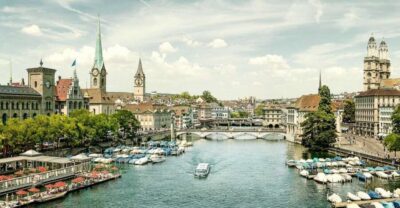
City Tour, Cruise, and Lindt Home of Chocolate Visit
Read our review →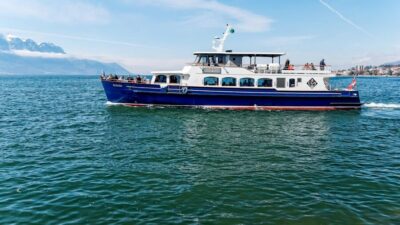

Award-Winning Geneva Chocolate &Old Town Tour with Boat Ride (3h)
Read our review →
Neuhausen am Rheinfall: Rhine Falls Boat Tour
Read our review →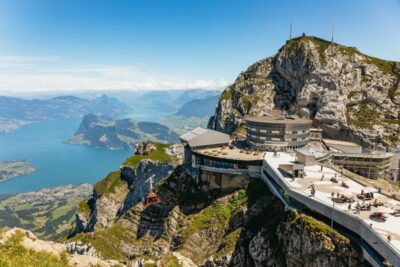
Mt. Pilatus Cable Car, Cogwheel Train & Lake Cruise
Read our review →
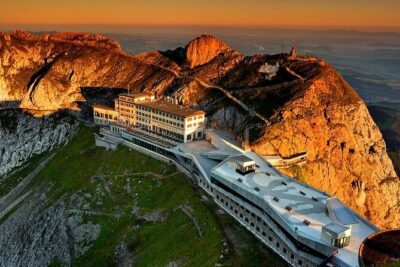
Mount Pilatus Summit from Lucerne With Lake Cruise
Read our review →
City Bus Tour with Audio Guide and Lake Cruise
Read our review →Browse the lists this tour appears in