
Reviewed · MUSEUMS
Swiss Finance Museum Admission Ticket
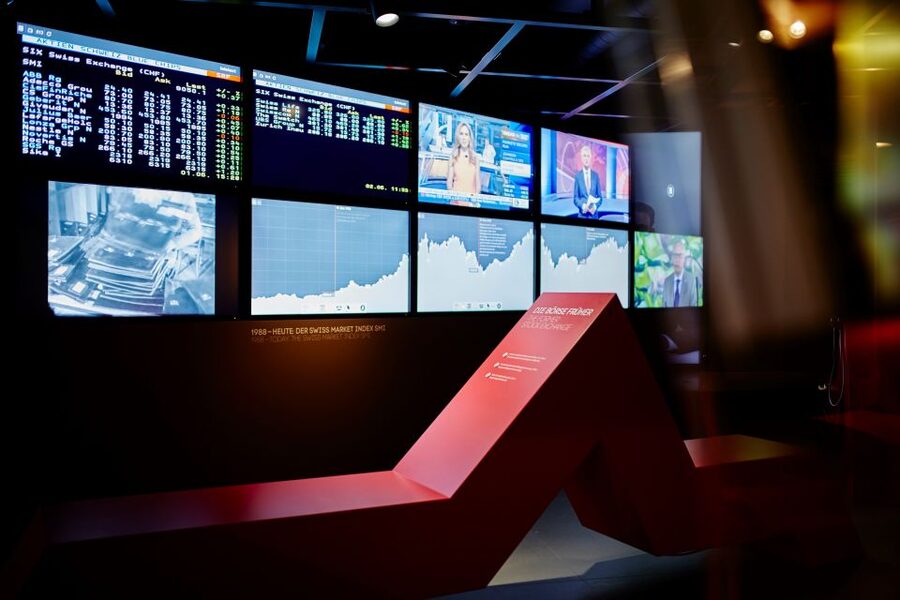
Stocks meet Swiss history in one tidy stop. The Swiss Finance Museum turns the world of money into an easy-going museum circuit, with interactive exhibits and an interactive audio guide app that helps you move at your pace. I like how the permanent collection connects what you see on stock exchanges to how modern finance grew out of earlier ideas, from the 16th century onward. I also like the way the museum uses big questions, like whether we are headed toward a cashless society, to make finance feel real.
One heads-up: if you want nonstop, current market talk, or lots of kid-focused hands-on investing games, this museum may not meet your expectations. The focus is clearly on economic history, how markets work, and what those systems mean.
In This Review
- Key Things to Know Before You Go
- Swiss Finance Museum in Zurich, One Ticket, Real Money Story
- Price and Value: What $13 Buys You (and What It Does Not)
- A Simple One-Day Plan That Keeps You From Rushing
- How Stocks and Stock Exchanges Get Explained
- The Cashless Society Exhibit, Future Money Without the Hype
- The Permanent Collection: From the 16th Century to Modern Finance
- Special Exhibition: Famous Through Historical Securities
- Using the Interactive Audio Guide App Without Overthinking It
- Guided Tours in German on Tuesdays, a Useful Bonus
- House Rules and Practical Tips That Make the Visit Easier
- Who Should Book This Ticket, and Who Might Feel Shortchanged
- Should You Book the Swiss Finance Museum Ticket?
Key Things to Know Before You Go
- Stock market basics: learn what stocks are and how they are traded on stock exchanges.
- Cashless society theme: an exhibit tackles the question of where money is headed.
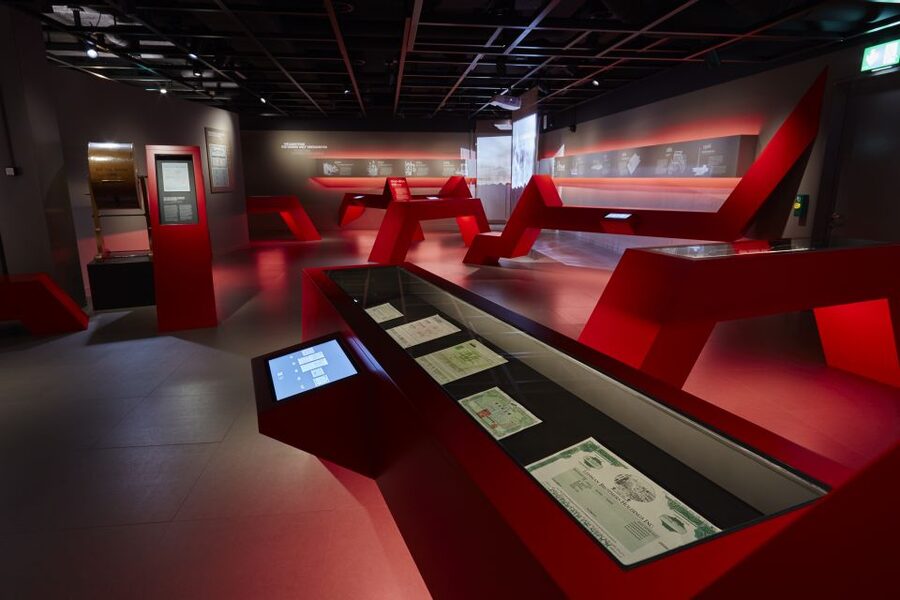
- One ticket, two exhibitions: your entrance covers the permanent display plus the yearly special exhibition.
- Audio guide support: the museum experience includes an interactive audio guide app to help you follow along.
- A security-paper story: you can trace modern finance back to the 16th century through major historical holdings.
- German guided tour option: public tours run in German every Tuesday from 12:30 PM to 1:30 PM and are included.
Swiss Finance Museum in Zurich, One Ticket, Real Money Story
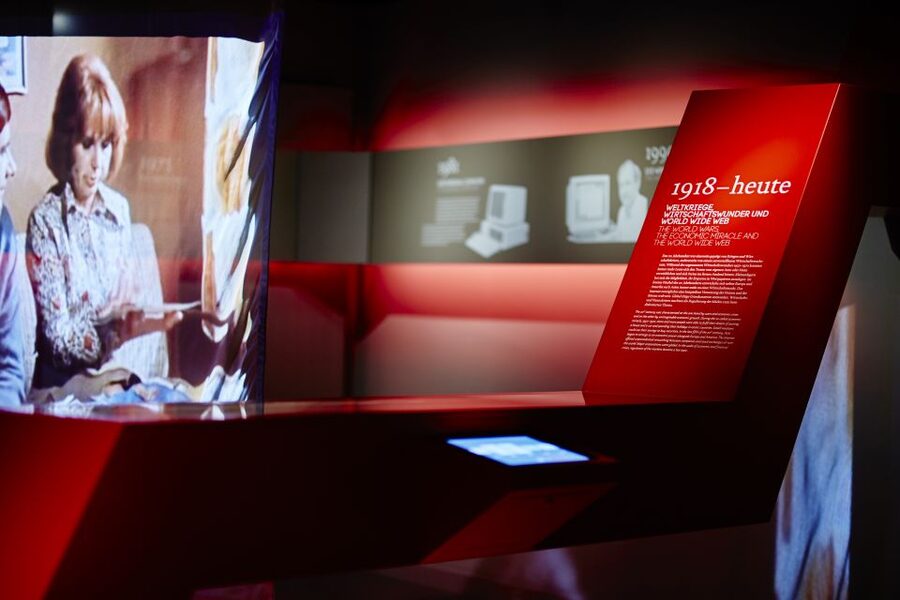
If you have ever wondered why a stock ticker can move markets and not just numbers on a screen, this is a smart place to start. The Swiss Finance Museum is set up as a guided exploration of the Swiss financial market, using exhibits that explain economic history and financial innovation in a way that feels closer to a story than a textbook.
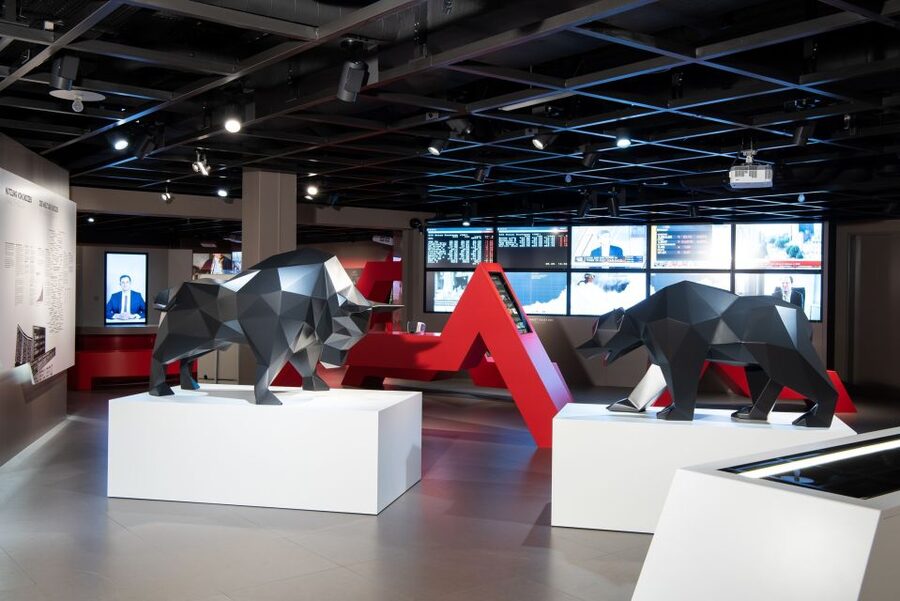
The big win is that you get more than one angle at once. The permanent exhibition shows the building blocks of modern finance, including early corporate ideas and how huge firms grew from the 16th century to today. Along the way, you also get a look at the nuts and bolts, like how stocks are traded on stock exchanges. That combination matters, because it stops finance history from feeling abstract.
Your second win is practical: you are not stuck trying to decode everything alone. With the interactive audio guide app, you can pace your visit, linger where you want, and skip the parts you already get. For a museum that covers money, that kind of support is a gift.
The price is also hard to argue with for a full-day museum stop. At about $13 per person, this is a value play if you like learning how systems work, not just reading labels.
Price and Value: What $13 Buys You (and What It Does Not)
At $13 per person, this ticket is priced like a budget-friendly museum add-on, not a luxury experience. But the value comes from what is included. You get entry to the museum plus access to the museum’s annually changing special exhibition. That means your money supports two layers of viewing, not just one static gallery.
The museum’s promise is learning, not spectacle. The exhibits use different types of media, and they are designed to explain concepts such as stock trading, and to connect Swiss financial history to modern innovation. Still, it is not framed as a hands-on lab for day traders. It is a museum where you learn, observe, and think.
So here is how I would measure value before you buy:
- If you are curious about finance as a system, you are likely to feel like you got your money’s worth.
- If you are hoping for heavy coverage of the latest buzzwords, like bitcoin, or a kid-friendly game floor, you might find the experience more restrained than you want.
More Museum Visits in Zurich
- Lindt Home of Chocolate Museum Entry Ticket
★ 4.7 · 9,329 reviews - Zurich: FIFA Museum Entry Ticket
★ 4.7 · 1,461 reviews - Zurich: Sightseeing Bus Tour with Optional FIFA Museum
★ 4.2 · 822 reviews
A Simple One-Day Plan That Keeps You From Rushing
Your ticket is valid for 1 day, which is exactly the right amount of time. You do not need half a day to tick boxes, and you do not need a full weekend either. I’d plan on a relaxed museum pace, with time to use the audio guide and revisit any section that clicks.
Here is a practical flow that tends to work well:
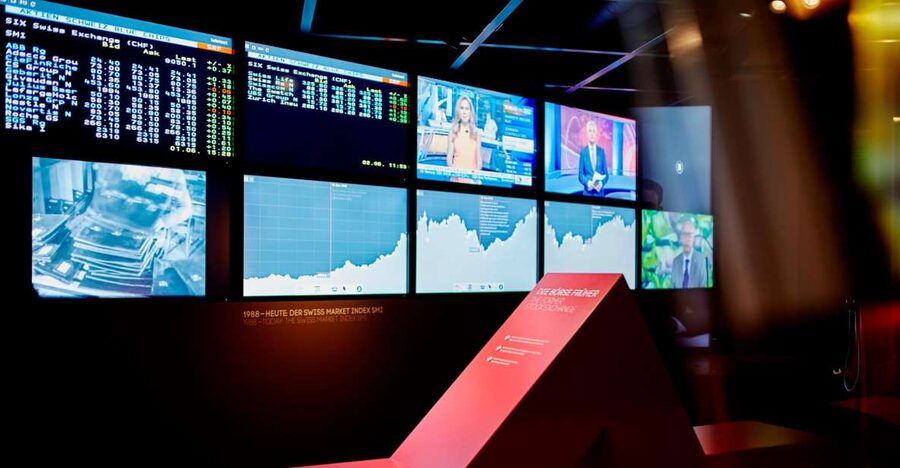
- Start with the permanent exhibition to get the basic framework in your head. This is where the museum explains how the financial economy formed and how it relates to today.
- Look for the stock exchange explanation early, so the later historical material has context.
- Then tackle the big theme exhibits, including the one about whether we are headed toward a cashless society.
- Finish with the special exhibition for the extra human angle and the variety.
If you do it this way, you avoid the most common mistake in finance museums. People race through early material, then hit themes like cashless payments and feel lost. Build your basics first, then the future questions make more sense.
Also, remember the museum has a rule set. Food and drinks are not allowed, so plan to eat before or after. That means your visit is basically all exhibit time, plus whatever break you can manage outside the galleries.
How Stocks and Stock Exchanges Get Explained
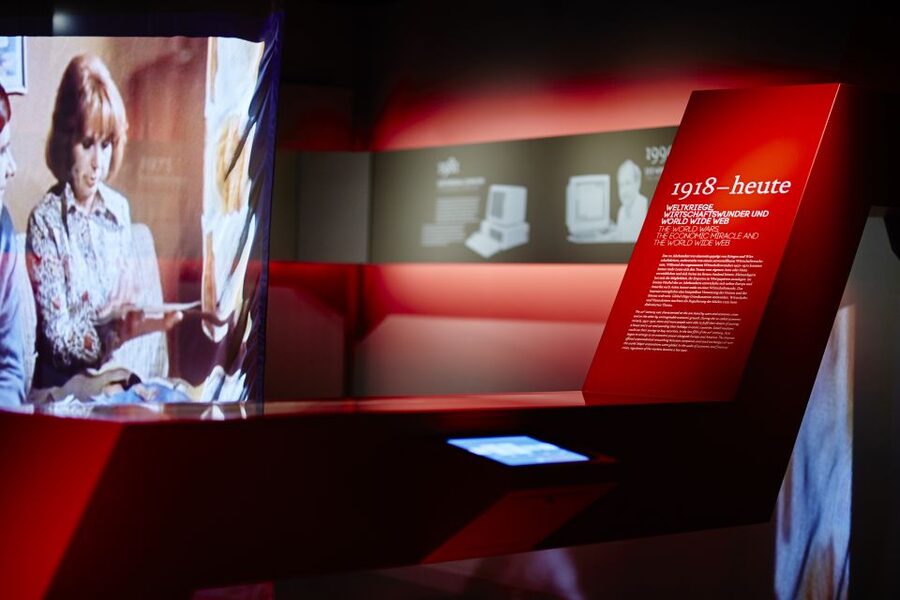
One of the clearest highlights is the section focused on what stocks are and how they are traded on stock exchanges. If your financial knowledge is mostly from headlines, this portion is where you can regain control of the story.
What I like about an exhibit like this is that it can translate big, confusing ideas into something you can actually reason about. Stocks are not magic. They are a mechanism. The museum’s goal is to help you understand the mechanism, and how the trading system ties into larger economic activity.
This matters even if you never plan to buy a share. Knowing what stocks represent helps you interpret everything else around them, from corporate growth to economic cycles. And it helps you spot when someone is using finance language to sell an idea instead of explain a system.
If you want to make this section more useful, pause when you encounter a concept you already think you understand. Then check if your definition matches what the museum is teaching. That quick reality-check is often where the learning actually sticks.
The Cashless Society Exhibit, Future Money Without the Hype
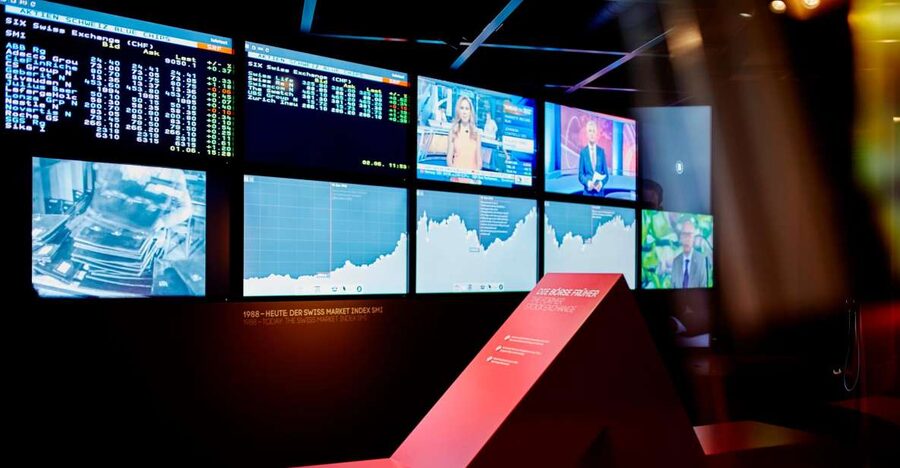
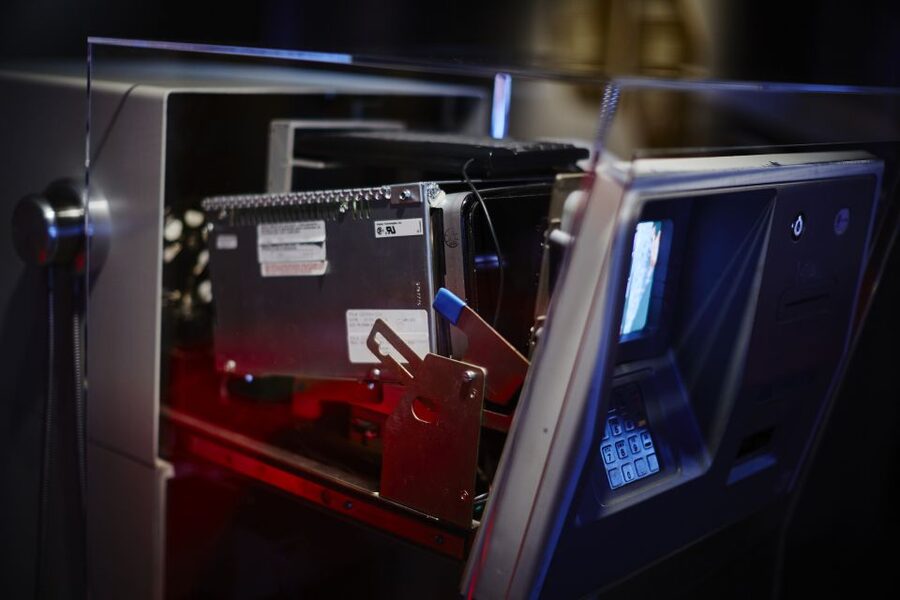
The museum does something smart with its big-theme exhibit on whether we are headed toward a cashless society. Instead of treating it like a tech demo, it uses the topic as a question about how daily life and financial systems might change.
This is the kind of exhibit that can be surprisingly personal. If you already rely on cards or mobile payments, you are thinking about speed and convenience. If you rely on cash, you might think about access, privacy, or trust. Either way, the museum’s approach gives you a framework to ask better questions.
And that is valuable when you travel. You start seeing payment systems as part of local culture and infrastructure, not just a feature. In Zurich, you can walk away thinking more clearly about why certain payment methods feel normal and others feel unusual.
One caution: it is still a museum exhibit. The goal is explanation and reflection, not live financial predictions. So come in ready to think, not ready to get investment advice.
The Permanent Collection: From the 16th Century to Modern Finance
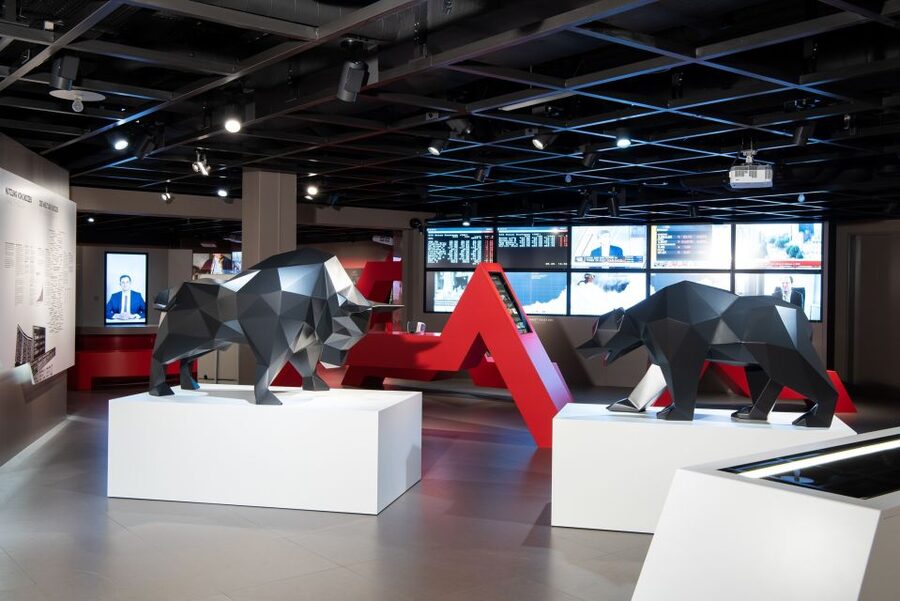
The permanent exhibition is the backbone of the visit. It traces how modern finance developed, starting with early corporate concepts and then following the growth of large companies through time. The museum also draws on key historical pieces from one of the world’s biggest and most important collections of securities, letting you follow the evolution of the modern financial economy back to the 16th century.
Why that matters for you is simple. Finance can feel like it is always been the way it is today. It rarely has. When you see securities across centuries, you understand that the tools change, but the underlying ideas about money, risk, and ownership keep returning in new forms.
If you like connecting dots across time, this is where you will enjoy yourself most. You will be able to link modern innovations in finance to earlier revolutions in business thinking. That gives the museum a sense of logic, not just a stack of dates.
The best way to use this section is to treat it as a timeline you are building in your head. You do not need to memorize every detail. Instead, try to identify the turning points. When did corporations start behaving like today? When did trading become more standardized? Even noticing patterns can make the exhibit feel more satisfying.
Higher up, or further along the lake:
- Zurich: Grindelwald, Interlaken & Lauterbrunnen Day Trip★ 4.6 · 7,123 reviews
- Zurich: City Tour, Cruise, and Lindt Home of Chocolate Visit★ 4.5 · 4,624 reviews
- From Zurich: Bus Day Trip to Heidiland and Liechtenstein★ 4.5 · 2,531 reviews
- Zurich: City Highlights Tour by Bus, Cable Car, and Ferry★ 4.4 · 2,366 reviews
Special Exhibition: Famous Through Historical Securities
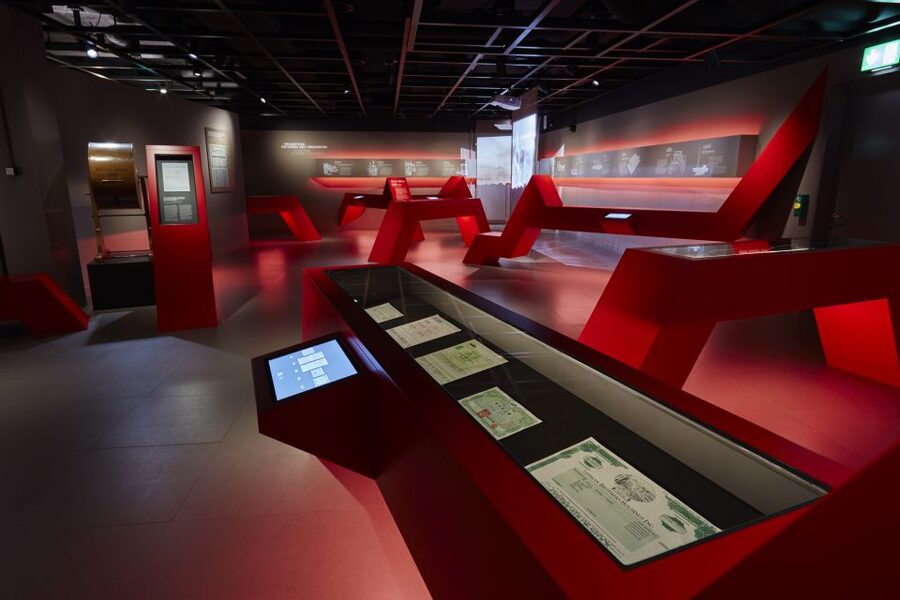
Your ticket also includes the special exhibition, which changes annually. One example is a returning exhibit called Famous – From the collection of the Finance Museum. It focuses on the lives of famous people such as Charlie Chaplin, Maria Theresa, and Johann Wolfgang von Goethe, using historical securities as the lens.
This is a smart twist. It keeps finance from becoming only about institutions and charts. Instead, it connects historical documents tied to financial life to people you recognize. You start to see how money systems interacted with broader culture and history.
The exhibit also gives you a break from pure explanation. Even if you are not deeply into finance, name recognition can keep you engaged. If you like mixing arts and history with practical topics, this is the part of the visit that can feel like the most fun.
Just keep your expectations flexible. Since the special exhibition changes, the exact lineup you see might differ from this example. But the ticket value stays the same, because you get access to whatever the current special show is.
Using the Interactive Audio Guide App Without Overthinking It
The museum experience includes an interactive audio guide app, and that can be the difference between a frustrating visit and a smooth one. Finance museums are full of terms people toss around casually. The audio guide helps you avoid the common problem of reading a label and still wondering what it means.
A good way to use it is in short bursts. Use it to get oriented at the start of a gallery, then check it when you reach a concept that feels like it needs translation. This keeps your visit from turning into a constant screen marathon.
Also, if you are visiting with a small group, decide upfront who wants audio versus who prefers to read signage. You can quickly lose time when one person is searching for the right explanation while the other is ready to move on.
Finally, treat the app as a tool, not homework. If you catch the main idea of a section, you did the job the museum intended.
Guided Tours in German on Tuesdays, a Useful Bonus
If you are in Zurich on the right day, there is a public guided tour in German every Tuesday from 12:30 PM to 1:30 PM. These tours are included in the ticket price, so you do not need to pay extra for them.
This can be a great option if you:
- prefer guided structure,
- want someone to explain the connections between exhibits,
- and you are comfortable with German.
If you are not comfortable with German, the guided tour still may help you get a sense of flow, but the audio guide app is likely to be your main support inside the museum.
Either way, it is worth checking the day you visit, because hitting a guided tour can make the museum feel more like a unified experience rather than a set of separate rooms.
House Rules and Practical Tips That Make the Visit Easier
A few rules can shape your day, so take them seriously:
- Food and drinks are not allowed inside.
- Pets are not allowed, but assistance dogs are allowed.
- The museum is wheelchair accessible.
That means you should plan meals around your visit. Also, if you are traveling with a stroller or mobility aid, the accessibility note is a comfort. You can focus on the exhibits instead of logistics.
One more practical tip: the museum covers multiple themes, stock trading basics, historical securities, and future-facing questions. So wear comfortable shoes and give yourself permission to slow down. Finance is not a sprint, and the museum is built to reward a thoughtful pace.
Who Should Book This Ticket, and Who Might Feel Shortchanged
This is a strong choice for you if:
- you want to understand stock exchanges and what stocks represent,
- you enjoy economic history that connects to the modern world,
- you like a mix of serious topics with a human element in the special exhibition.
You might feel shortchanged if:
- you expected lots of hands-on, child-focused interaction,
- you came specifically hoping for extensive coverage of very current crypto topics like bitcoin,
- you want a museum that reads like a daily news feed.
That is not a deal-breaker, but it is a expectations issue. The museum seems best for people who enjoy learning systems and seeing how money ideas evolved over time.
Also, based on the variety of feedback, your tolerance for how much background knowledge you need matters. Some visitors want more explanation or a stronger push into current market talk. If you are that type, go in with the mindset that this is more about foundations and history than today’s hot takes.
Should You Book the Swiss Finance Museum Ticket?
If you are visiting Zurich and you want a low-cost, meaningful museum stop about how the financial world works, I think this ticket is worth booking. The permanent exhibition gives you structure, the included special exhibition adds variety, and the interactive audio guide app helps you understand what you are seeing.
Book it if finance history, stock market basics, and big future questions like a cashless society sound like your kind of learning. Skip it if you need nonstop current market coverage or lots of kid-first activities.
Added lately around Zurich








Museums, compared.




City Tour with Lake Cruise + Optional FIFA Museum
Read our review →

Beatenberg: Beatus Caves Entry Ticket with Museum
Read our review →

Lucerne Swiss Museum of Transport Entrance Ticket
Read our review →Browse the lists this tour appears in