
Reviewed · FOOD TASTINGS IN BASEL
Swiss Chocolate Tasting Experience | Basel
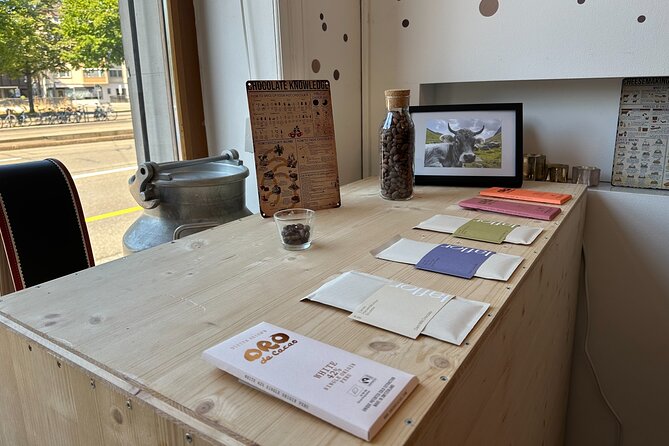
Basel gives you chocolate science in 35 minutes. You learn how Swiss chocolate heritage connects to cacao origins, then you taste a flight of grand cru chocolates sourced from different regions. I especially like the structure, you start by understanding what you are smelling and tasting, then you get to compare multiple styles back-to-back.
The main consideration is comfort. The tasting room is small, and some people have felt tight seating on hard benches, so it is not the kind of experience where you can fully stretch out or linger between bites.
In This Review
- Key highlights you’ll actually care about
- Where the tasting fits in your Basel day
- The chocolate flight: 6 grand cru samples and cacao-origin lessons
- How the pace and seating affect your experience
- Practical tips for tasting, so you get more than dessert
- Price and value: what you get for about $25
- Common disappointment triggers, and how to avoid them
- Pairing it with more Basel food time at the same stop
- Should you book this Swiss Chocolate Tasting in Basel?
- FAQ
- How long is the Swiss Chocolate Tasting Experience in Basel?
- Where does the experience start and end?
- Is the experience offered in English?
- What is included in the tasting?
- Is a mobile ticket used?
- What is the group size limit?
- Is a service animal allowed?
- Is confirmation provided after booking?
- What is the cancellation policy?
Key highlights you’ll actually care about
- 6 grand cru chocolate tastings matched with cacao from different regions, so you taste origin, not just sugar
- Cacao and chocolate lessons from a chocolate expert, with guidance on what to look for in each sample
- Small-group feel (capped at 12), which usually means more attention, but can still feel crowded when full
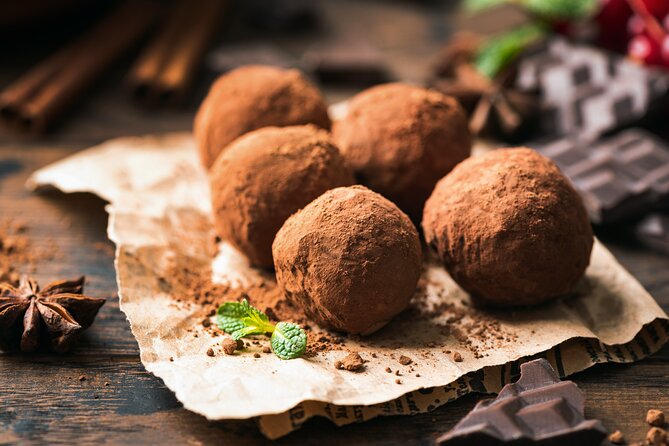
- A truffle included, and you can get a truffle of your choice (one session included a Moët & Chandon champagne truffle)
- English-language session plus a mobile ticket, which keeps your planning simple
Where the tasting fits in your Basel day
This is a short session, about 35 minutes, and it starts and ends at the same meeting spot on Binningerstrasse 15 in Basel. If your day is packed, this is the kind of activity that slots in before or after a walk, shopping, or a river-side break.
You get a mobile ticket, and you should have your confirmation ready at booking time. The session runs in English, so you do not need to hunt for a translator or worry about language gaps.
Group size matters here. The experience is capped at 12 travelers, but the space can handle up to around 15 people, so you should expect a compact setup when it is full. The room is near public transportation, which is a plus if you are juggling buses and trams and want an easy, predictable meetup.
Also, this is not a production-line stop. It is an education and tasting session focused on how cacao becomes Swiss chocolate. That makes it great for a quick cultural add-on, but it also means you will want to arrive with a tasting mindset, not an expectation of a long tour.
One practical tip: if you are sensitive to pace or prefer lots of personal space, plan to arrive a few minutes early and settle in quickly. The short format is tight by design, so delays or slow transitions can feel more noticeable.
The chocolate flight: 6 grand cru samples and cacao-origin lessons
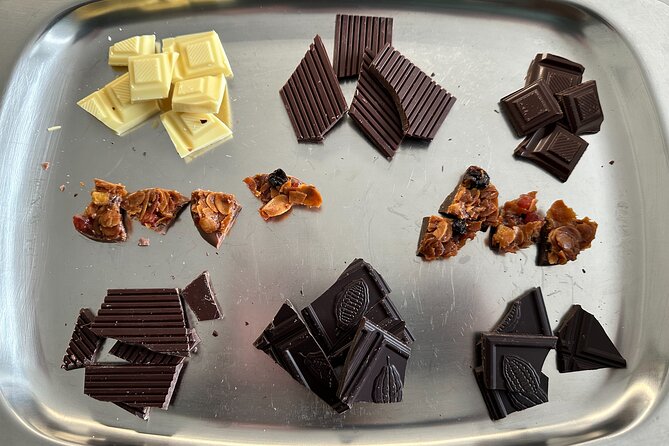
The core of the experience is learning how Swiss chocolate heritage connects to cacao origin. You taste six different grand cru chocolates, and the whole point is to make the origin story real through flavor.
What makes this more interesting than a generic tasting is that you are not just tasting sweetness. You are tasting differences tied to where the cacao beans come from. In a short window, that can teach your palate to notice things like roast level, aroma strength, and how quickly flavors shift as chocolate melts.
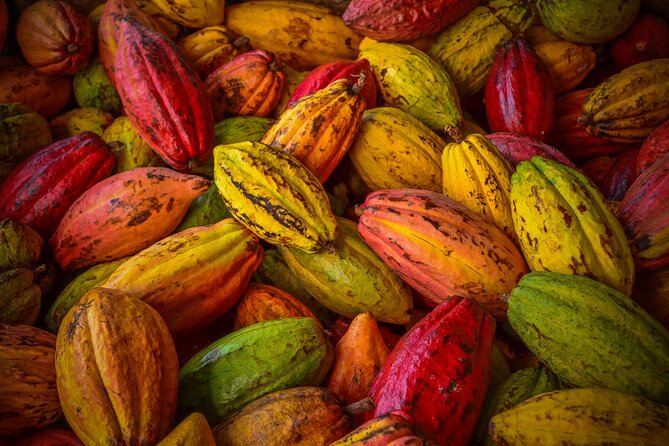
You also get to taste cacao itself, not only the finished bars. One review experience included tasting cocoa beans along with the chocolate samples, and that is a smart way to calibrate your senses. Once you have a sense of the raw cacao character, the finished chocolate samples make more sense.
Then comes the chocolate set. The tasting is described as covering multiple handcrafted chocolates made in-house, and the session includes a truffle as well. In at least one session, the truffle of choice was a Moët & Chandon champagne truffle, which shows the maker is not afraid to mix Swiss chocolate with more specific flavor cues.
A small but useful detail: the operator aims to serve chocolates at the right temperature. Chocolate can taste flat when it is too cold, and overly warm can blur differences. Serving at the proper temperature helps you compare one sample to the next instead of guessing based on handling.
Finally, the expert portion matters. People have said the talk included the science of cocoa beans and the chocolate-making process, plus practical advice like how to store chocolate for best tasting. If you like bringing home something actionable, that part is worth paying attention to.
More Food Tastings in Basel
- Swiss Cheese Tasting Experience | Basel
★ 4.3 · 166 reviews - Swiss Cheese Tasting Experience | Basel
★ 4.5 · 81 reviews - Basel: Self-Guided Food Tour
★ 4.3 · 68 reviews
How the pace and seating affect your experience
In theory, a 35-minute tasting sounds easy. In practice, pacing can make or break the vibe in a small room.
Some people loved the relaxed, cozy feel and said the guide was friendly and informative. Others reported long pauses and slower delivery, and one comment described a group squeezed onto a hard wooden bench. That tells you to set expectations: you may get lively energy, or you may get thoughtful, slow explanations with time between pours and bites.
Because the session has a limited number of people, you should usually expect better focus than in a big group activity. At the same time, space constraints mean you might not feel completely comfortable physically. If you are traveling with a partner and can share space without stress, that is often fine. If you strongly dislike crowding, choose earlier time slots when possible, and avoid this right after a long day that leaves you worn out.
The guide may adjust the tasting selection based on preferences and allergies. That is a good sign because it means the session can be tailored rather than forced into a one-size flight. It also explains why you might feel a gap between one sample and the next, since the tasting can be paced to match what the group needs.
If you are booking this as a quick stop between other plans, it is wise to be flexible. One experience noted the session may start late. Since it is short, late starts can compress the time you have to enjoy every bite, so it helps to keep your schedule roomy.
Practical tips for tasting, so you get more than dessert
Here is how to get real value from a tasting like this: treat it like a mini sensory class.
As you work through the flight, focus on three things:
- Smell first, before the chocolate hits your tongue.
- Notice the melt, how the texture changes as it warms.
- Track the finish, what lingers after swallowing.
You can do this quickly. You do not need to become a chocolate judge. The expert portion is there to steer you, but your own attention is what turns samples into learning.
One of the most practical takeaways people reported was advice on how to store chocolate so it tastes better later. That is huge if you buy something after the tasting. Chocolate is sensitive to temperature swings and odors. Even if your home is not a cold chamber, basic storage habits can help preserve the flavors you just learned to notice.
Also, keep an open mind about what Swiss chocolate means. If your baseline is mass-produced Swiss chocolate, you might find these samples less familiar. The operator’s approach emphasizes small batches, single-origin cacao, and making chocolate without additives. That can create a more nuanced, sometimes subtler flavor profile than what you expect from supermarket bars.
How do you decide what you like? Take your time on the last two samples. By then, your palate has been calibrated. The first bites teach your brain what to listen for, and the later ones become more about preference.
Price and value: what you get for about $25
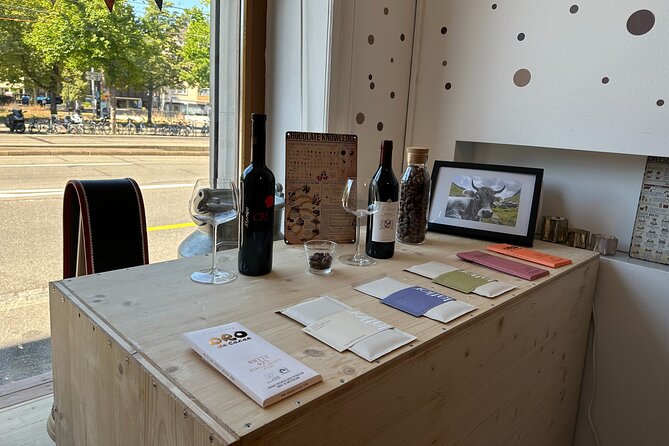
At $25.04 per person, you are not paying for a long museum-style tour. You are paying for a concentrated tasting experience with an expert present, plus multiple samples and a truffle.
What makes this feel like value is the focus. You are tasting six grand cru chocolates plus cacao and a truffle, in a compact session. If you are the kind of person who can reliably taste differences between chocolate styles, you are getting more than a snack. You are buying guided comparison.
It also helps that the maker describes their production as a real process, not a rushed assembly. They say each batch of chocolate can take up to 5 days, and truffles need an additional day to rest and develop flavor and texture. In other words, you are not just paying for ingredients in the moment. You are paying for a system that supports small-batch flavor development.
That said, this price point is still part of why expectations can clash. Some people felt the chocolate did not represent Swiss chocolate, or that it did not taste as good as expected. Taste is personal, and with origin-driven chocolate, flavors can be subtler or unfamiliar compared to the candy-bar style.
My practical advice: book this when you are curious about cacao origin and process. If you simply want a big, bold, guaranteed crowd-pleaser, you might leave wishing for a more classic sweetness profile.
Common disappointment triggers, and how to avoid them
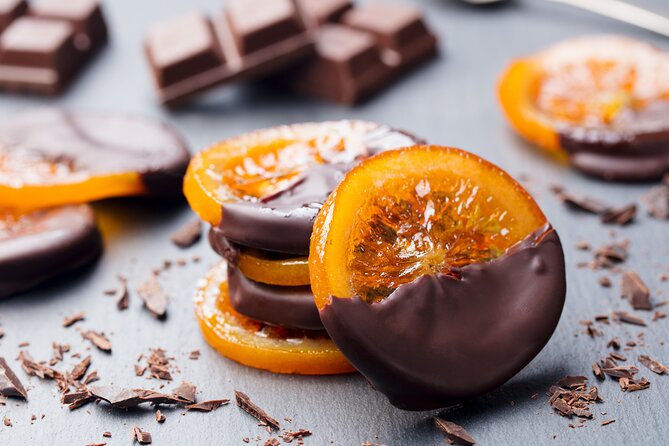
This kind of experience can go well fast, or go sideways, depending on your expectations and your tolerance for small spaces.
Here are the most common trouble spots, based on the range of experiences people shared, and how you can protect your mood:
- Crowding and seating. If you are sensitive to comfort, understand that this is a small room and you may sit close. Arriving early and staying flexible helps.
- Pacing. If you dislike slow delivery, know that some sessions may include longer pauses between samples, especially when the guide adapts to preferences or allergies.
- Chocolate familiarity. If you expect the taste of mass-produced Swiss chocolate, origin-driven grand cru styles can taste different. Go in ready to compare and learn, not to confirm a favorite brand.
- Day-of reliability. A small number of experiences reported a no-show or a closed store. That is rare compared to the many positive comments, but it is still worth being proactive. Check your confirmation message and use the contact options available on the booking day if anything seems off.
One more note: the experience includes both education and tasting. If you are hungry and only want dessert, you might feel the talk takes time away from the chocolate. If you are the type who enjoys learning, the explanation part is often the highlight.
Higher up, or further along the lake:
- Walking Tour through Basel Old Town★ 4.7 · 1,040 reviews
- Basel: Sightseeing Bus Tour with Audio Guide★ 4.1 · 377 reviews
- The Best of Basel: Guided Bike Tour★ 5.0 · 223 reviews
- Stories of Basel’s Old Town★ 4.5 · 203 reviews
Pairing it with more Basel food time at the same stop
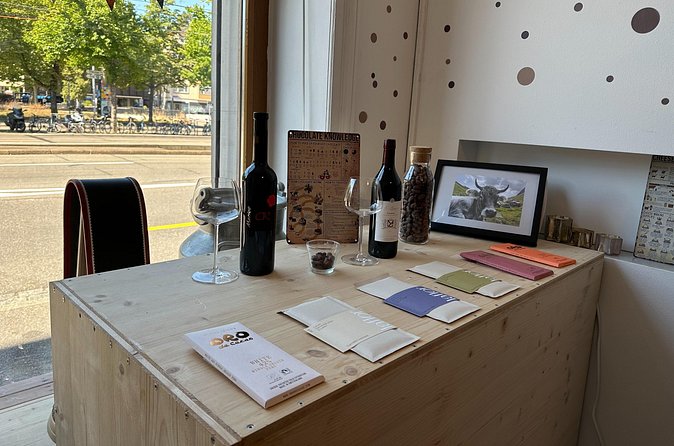
One review described pairing this with a cheese tasting at the same location and with the same operator. If you like food tourism that builds a bigger flavor picture, doing both can make your short time in Basel feel more complete.
Even if you do not do the cheese portion, you can plan your chocolate tasting like a focused food stop. Basel is great for walking, and a tasting like this gives you a clear finish line. You can then head out with an idea of what cacao profiles you prefer.
If you are short on time, this is also a smart add-on before another major activity. People have used it as a pre-cruise or before a long day plan, because 35 minutes is quick enough to fit without wrecking your schedule.
Should you book this Swiss Chocolate Tasting in Basel?
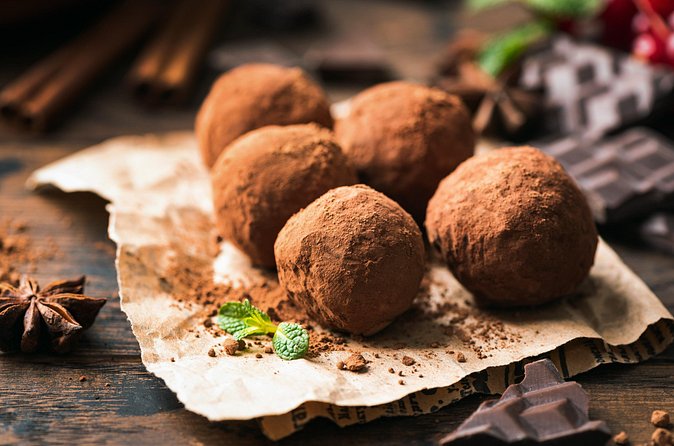
Yes, I think you should book it if you want a short, expert-led chocolate lesson where the main lesson is cacao origin through grand cru tastings. It is also a good choice if you like practical takeaways, like how to store chocolate for better flavor later.
Skip it if you need lots of elbow room, or if you only want bold, familiar supermarket-style sweetness with zero patience for pacing. And if you are very risk-sensitive about day-of operations, double-check your confirmation details right before you go.
If you fit the first group, you will likely come away with both a better palate and a clearer sense of how Swiss chocolate is tied to where cacao is grown.
FAQ
How long is the Swiss Chocolate Tasting Experience in Basel?
It lasts about 35 minutes.
Where does the experience start and end?
It starts at Binningerstrasse 15, 4051 Basel, Switzerland, and it ends back at the same meeting point.
Is the experience offered in English?
Yes, it is offered in English.
What is included in the tasting?
You will taste various chocolate with a chocolate expert. The tasting focuses on grand cru chocolate and cacao origin.
Is a mobile ticket used?
Yes, the experience uses a mobile ticket.
What is the group size limit?
The activity has a maximum of 12 travelers.
Is a service animal allowed?
Yes, service animals are allowed.
Is confirmation provided after booking?
Yes, confirmation will be received at the time of booking.
What is the cancellation policy?
You can cancel for a full refund up to 24 hours in advance. If you cancel less than 24 hours before the start time, the amount paid is not refunded.
Added lately around Basel


Food Tastings in Basel, compared.
Swiss Experience: Chocolate Tasting and City Tour of Basel
Read our review →Swiss Experience: Chocolate Tasting and City Tour of Basel
Read our review →
Colmar Christmas Market & Wine Tasting Private Tour
Read our review →
Zurich Tour with Chocolate tasting and Lake Cruise
Read our review →Browse the lists this tour appears in