
Reviewed · WALKING TOURS
Private Medieval Walk in the Historic Centre of Lucerne
Lucerne turns medieval, step by step. In this private 1.5-hour walk, a medievally dressed guide brings 500-year-old Lucerne to life with stories about daily society, law and order, and who held power in the Swiss Republic. I like the hands-on feel, including medieval props like weapon replicas, and I also like how the guide uses modern tech (maps and picture framing on an iPad or your phone) to keep the facts clear as you walk.
One thing to plan around: you cover roughly a 1.5 kilometer route on foot and it runs in all weather, so you will want comfy shoes and rain gear.
In This Review
- Key highlights you will actually feel
- Lucerne as it might have looked 500 years ago
- Meet the medieval guide, and see how the story stays clear
- Starting at Chapel Bridge, then straight into the old-city core
- Kornmarkt to Weinmarkt, where justice and conflict get real
- Zöpfli by the Reuss, plus the first bridge and the pharmacy window
- Ritterscher Palace and the push-pull of civic power
- Price and value for $181 per person
- Who should book this medieval Lucerne walk
- Should you book the Private Medieval Walk in Lucerne?
- FAQ
- What is the duration of the Private Medieval Walk in Lucerne?
- How long is the walking route?
- Where does the tour meet?
- What languages are available for the live guide?
- Is transfer from or to the meeting point included?
- What is included in the tour?
- Do I need rain gear?
Key highlights you will actually feel
- Costumed medieval guide, with props and storytelling that make the setting feel real, not like a lecture
- Historic maps and visual aids like the Martini Plan of 1597, shown alongside today’s streets
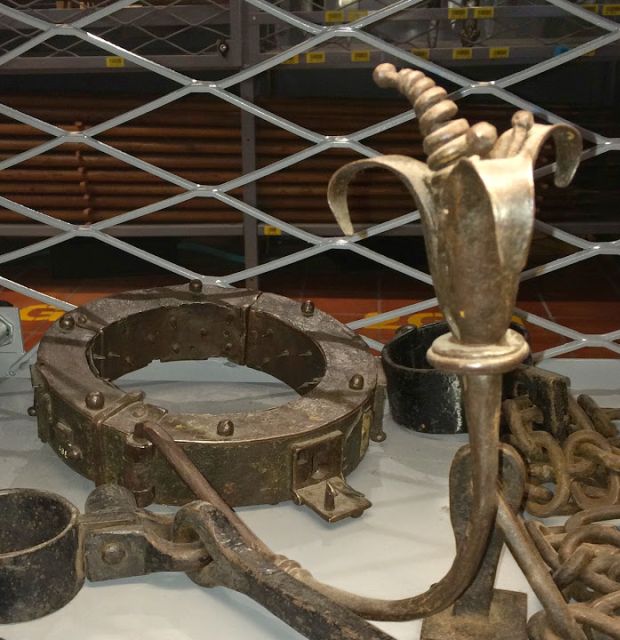
- Law and order in medieval Lucerne, including riots, courts, punishment, and witch trials topics
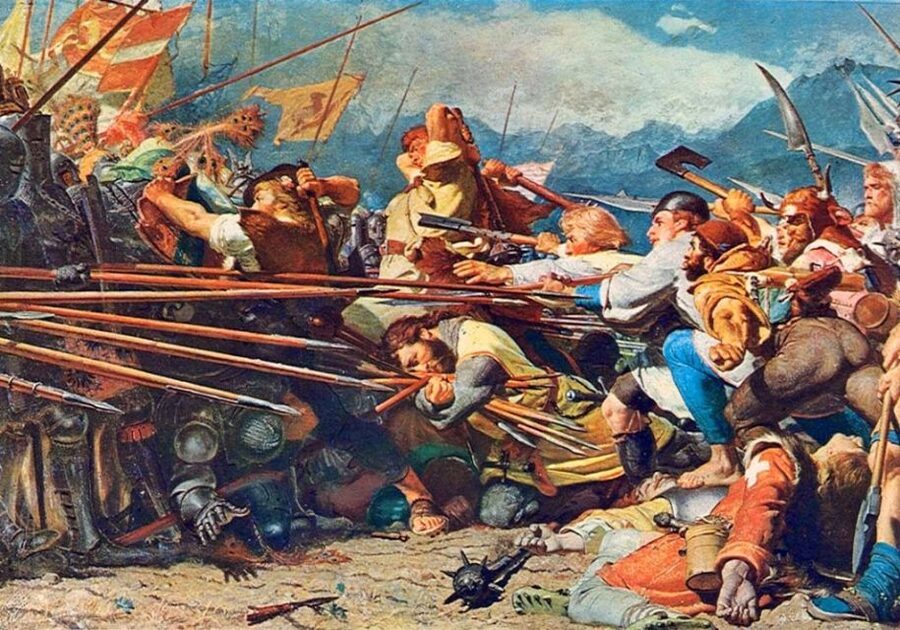
- Mercenary lore, explaining why European rulers hired Swiss fighters
- Old Lucerne “big landmarks” in a tight loop, from Chapel Bridge to the Reuss bridge and the pharmacy display window
- A calm riverside pause at Zöpfli, where you can reset and snack, with tips for nearby food
Lucerne as it might have looked 500 years ago
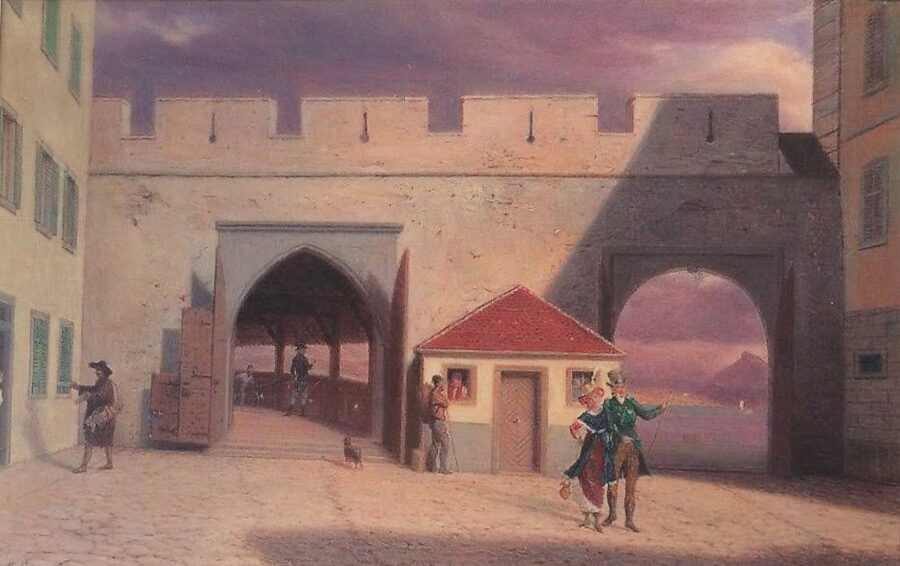
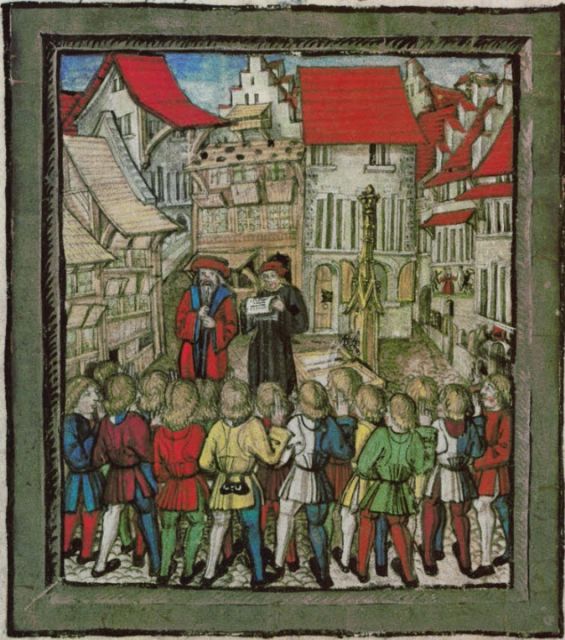
This is not the usual photo-walk where you just point at landmarks. The point here is to help you picture Lucerne as a working city in the late Middle Ages and early modern era, when rules were enforced publicly and power played out in specific locations you can still stand near today.
The guide sets the tone by introducing himself and his work, then you move through the city with a consistent “nightwatchman” viewpoint. That matters. Instead of random historical tidbits, you get a thread: how people lived, how order was kept, what sparked unrest, and how justice was carried out.
What makes it especially good value for the time is the way the tour balances big ideas with concrete stops. You are not just hearing about medieval society in general. You are walking to places tied to measures like foot and elle (Lucerne’s unit system), to sites connected with courts and punishment, and to riverside spots that were practical spaces for daily life and relaxation.
Meet the medieval guide, and see how the story stays clear
A major strength is the guide’s presentation style. In private tours, the storytelling can either become too soft or too rigid. Here it stays practical. You get a guided route shown on a map, with the historic context kept visible while you walk.
You will also see framed pictures during the walk, delivered either on the guide’s iPad or through your own mobile device (you do to bring your own internet access for your phone). That “see it while you hear it” approach is great when you are trying to connect a 1597 plan or a named historical figure to a street you can actually locate on your own.
Names come up in a meaningful way, not as trivia. The guide references people tied to Lucerne’s written record and civic life, including Diebold Schilling and Martinus Martini, plus Hans von Trient and Luzius Ritter. Even if those names mean nothing to you at the start, the tour helps you place them in the story of Lucerne’s growth and governance.
And yes, the medieval look is part of the effect. One of the strongest praised details from earlier groups is that the guide dresses for the role and brings prop weapons, then explains how they were used. That is a smart way to make “weapons and warfare” topics understandable without turning the walk into something gruesome or sensational.
More Guided Walks in Lucerne
- Lucerne: Private Walking Tour with a Local Guide
★ 4.6 · 450 reviews - Lucerne Walking & Boat Tour: The Best Swiss Experience
★ 4.5 · 417 reviews - Lucerne: Guided Walking Tour with an Official Guide
★ 4.7 · 321 reviews
Starting at Chapel Bridge, then straight into the old-city core
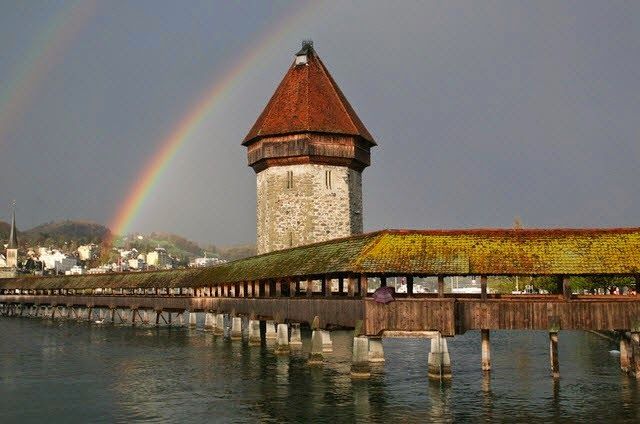
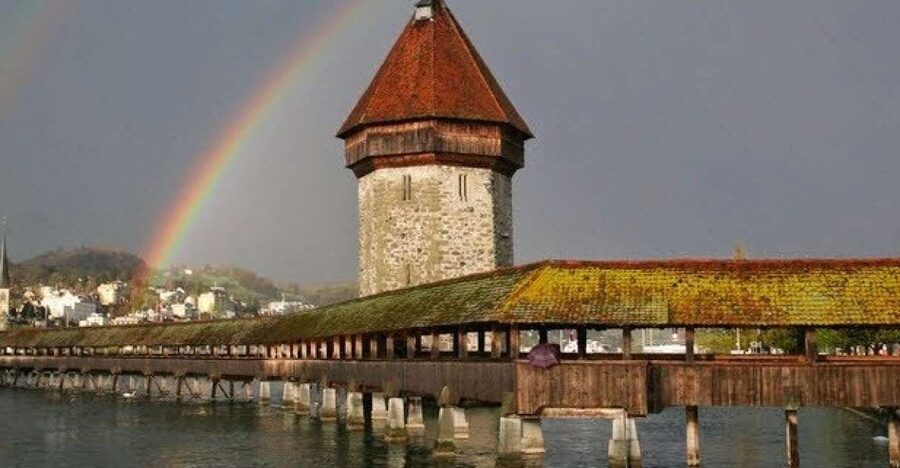
The tour begins on the Rathausquai at the Chapel Bridge, on the right-hand riverside. From that first step, you are in the thick of the historic center, where the city layout makes the story easier to follow. The walk is only about 1.5 kilometers, so the route stays tight, with multiple stops that each get a clear explanation.
From the meeting area you head around the corner to Kappelplatz, the chapel square. This sets the tone early, because it anchors the city’s identity in shared religious and civic spaces.
Next you walk through Furrengasse to the Kornmarkt. This is where the tour gets delightfully specific: you see the Lucerne measure units foot and elle. For me, that is one of those details that turns history from vague into real. Knowing how people measured distance and cloth tells you how commerce worked and how daily life ran.
Then you pass through Brandgässli and hear about the riot of Lucerne. That stop is a reminder that cities are never only buildings and bridges. They are people, tensions, and consequences.
Kornmarkt to Weinmarkt, where justice and conflict get real
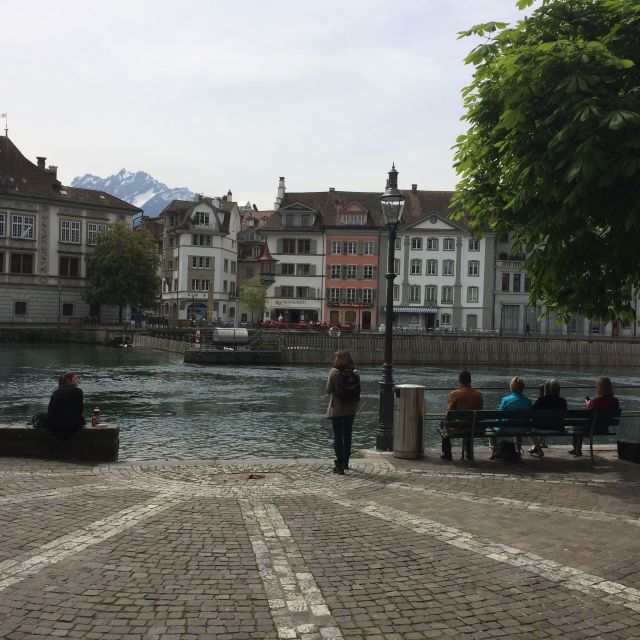
The middle of the walk is where you feel the tour’s theme most strongly: law and order. On Weinmarkt, you learn about weapons and war fare, and then you get an explanation for why European rulers wanted Swiss mercenary troops. That is a big topic, and the guide keeps it connected to what you are standing near, rather than drifting into general European politics.
Then you continue to the lower Weinmarkt to a place tied to early court activity in Lucerne. This is where you hear about a first court, pillory, and execution place in the city. Topics like interrogation methods, punishment, and witch trials are part of the discussion too.
Important note for your expectations: these are justice and punishment topics tied to medieval governance. The walk does not need to be graphic to be unsettling, because the historical reality is heavy. If you prefer light, mostly architectural sightseeing, this might feel intense in the middle. If you are the type who wants to understand how societies enforced rules and what fear looked like in practice, this is the best section.
The payoff is that you are not learning from a textbook. You are walking from one civic space to the next, so your brain can map the logic of the city. It becomes easier to understand how public punishment and civic authority were built into daily life.
Zöpfli by the Reuss, plus the first bridge and the pharmacy window
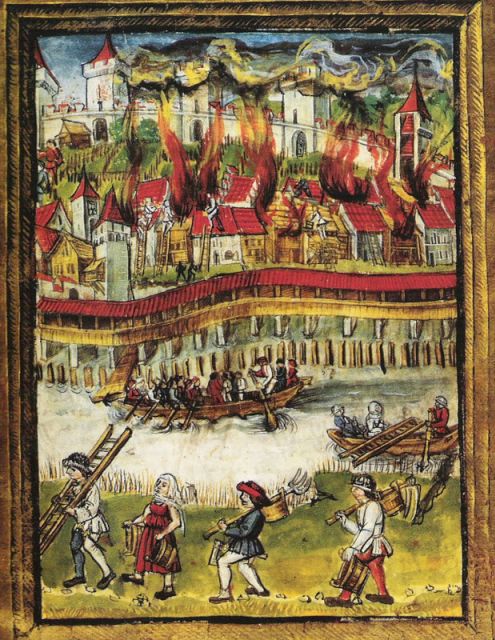
After the heavier law-and-order stops, you get a short breather at Zöpfli, described as a top riverside spot in the historic center. This is a smart pacing choice. Your legs and attention both need a reset after the courtroom and warfare themes.
The guide also points you toward a simple way to turn the stop into your own break. You might come back here later for a refreshing foot bath in the river Reuss, and you can even plan a small picnic. If you want to eat nearby without overspending, ask the guide where to find affordable food, since they know what is convenient.
Then the walk crosses the Reussbrücke, the first bridge in Lucerne, positioned at the river’s narrowest point. Bridges are more than views. They were practical chokepoints that shaped movement and control, and this stop helps you feel that.
You also pass the first Mint House, which ties the river area to money and economic power. And the tour pauses at a medieval display window of the Suidtersche Pharmacy. This kind of stop is valuable because it shows how old commercial spaces survived and how they look in modern storefront life. It is the moment when you see that history can be both a story and a design element you can still use as a reference.
Ritterscher Palace and the push-pull of civic power
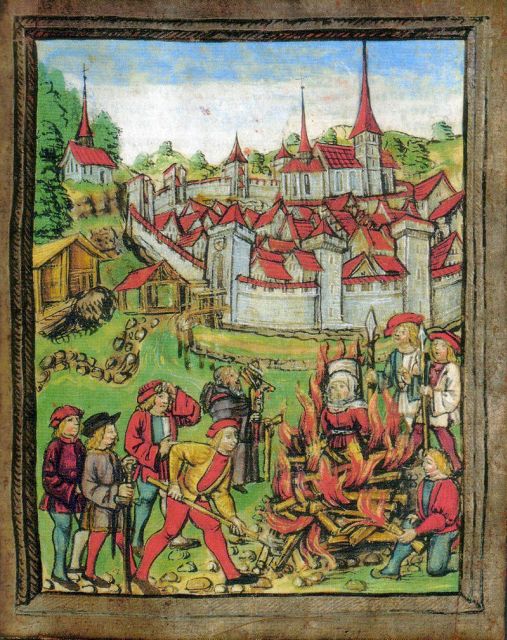
Next comes the Ritterscher Palace. This is another stop where the tour earns its keep because it tells you a story tied to people and conflict, not just a building outline.
You hear the tale behind irregularities between a bad mayor and a sorry mason. It sounds almost like a moral drama, and that is exactly how medieval civic life could feel: officials, tradespeople, and systems of accountability, all tangled up in real consequences.
If you like your history with characters, this section will land well. It connects to the earlier justice theme too. You are seeing how governance was experienced at street level, from public enforcement to civic disputes.
Finally, you continue alongside the river and cross the Chapel Bridge again back toward the meeting point. That closing loop matters. You get a chance to see the city from a slightly different angle after you learned what you were looking at.
More History Tours in Lucerne
- Lucerne: 1-Hour Historical Tour with Night Watchman★ 5.0 · 122 reviews
- Lucerne Small-Group Walking Tour: History, Culture & Hidden Gems★ 5.0 · 11 reviews
- Enchanting Luzern: A Journey Through History and Beauty★ 4.7 · 4 reviews
- Historic Lucerne: Exclusive Private Tour with a Local★ 5.0 · 4 reviews
Price and value for $181 per person
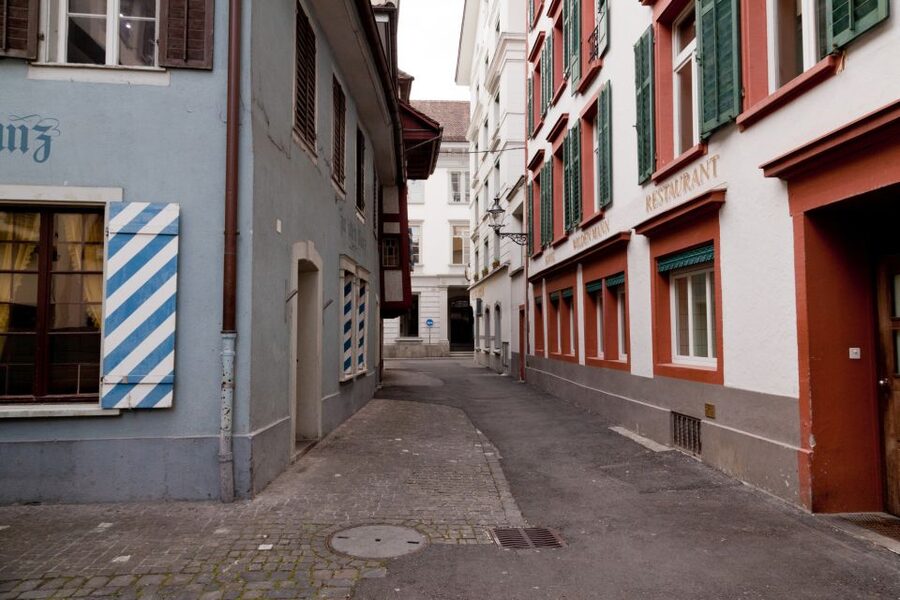
At $181 per person for a 1.5-hour private walk, the price can look steep if you compare it to big group tours. But the value makes more sense when you factor in what you get: a live guide in medieval costume, a themed route with multiple “story locations,” map-based wayfinding, framed picture support on an iPad or your phone, and a small extra keepsake like postcards of old Lucerne.
Private tours also tend to be more flexible. You can ask questions at your last chance near the end when the guide is still with you, and that Q and A time can turn a good walk into a personalized learning session.
So my practical take: if you are traveling as a couple or small group, split the cost and it becomes a lot easier to justify. If you are solo, consider whether you want a private pace and a costume-driven theme strongly enough to pay for it. Either way, this is a good option when you want more than standard sightseeing, and you prefer context over speed.
Who should book this medieval Lucerne walk
This works best if you like history that has teeth, but still reads clearly. It is ideal for:
- Couples or families who want a private guide and a short, focused walk
- People who enjoy “place-based” history, where the city streets are part of the lesson
- Anyone curious about civic life in Lucerne, especially law and order topics like courts and punishment
- Travelers who appreciate a strong storyteller, since the tour relies on narrative to connect the dots
It might be less ideal if you want mostly light scenery and minimal heavy topics, or if you struggle with walking in variable weather.
Should you book the Private Medieval Walk in Lucerne?
If you want Lucerne to feel like a lived-in city from centuries ago, this is a strong yes. The costumed guide plus visual map support plus a tight route that hits key civic locations is a smart combination. You also get a calm pause at Zöpfli and a complete return to Chapel Bridge, so the experience feels satisfying rather than rushed.
Book it when you are the type of traveler who enjoys understanding how society worked, not just what buildings look like. Skip it if you only want architecture and views, or if you prefer to avoid discussions of interrogation, punishment, and witch trials topics.
FAQ
What is the duration of the Private Medieval Walk in Lucerne?
The tour lasts about 1.5 hours.
How long is the walking route?
The route is approximately 1.5 kilometers.
Where does the tour meet?
It meets at Rathausquai at the Chapel Bridge, on the right-hand riverside, 6004 Lucerne.
What languages are available for the live guide?
The guide offers German and English.
Is transfer from or to the meeting point included?
No. Transfer is not included.
What is included in the tour?
You get a walking theme tour with a medieval guide, plus some postcards of old Lucerne.
Do I need rain gear?
The tour runs in all weather conditions, so bringing an umbrella or other rain gear is recommended.
Added lately around Lucerne






Walking Tours, compared.

Zurich Walking Tour With Cruise and Aerial Cable Car
Read our review →

Lucerne Walking & Boat Tour: The Best Swiss Experience
Read our review →
3 in 1: Zurich Walking Tour – Cruise on the Lake – Cable Car Ride to Felsenegg
Read our review →Browse the lists this tour appears in