
Reviewed · JUNGFRAU RAILWAY EXCURSIONS
Jungfrau Travel Pass 3-8 days
One mountain pass, many directions, all day. The Jungfrau Travel Pass turns Grindelwald, Interlaken, Lauterbrunnen, and the big-name viewpoints into a do-it-your-way routing game. I like that it covers lots of mountain transport (trains, gondolas, buses, and select boats), so you spend less time buying tickets and more time riding. I also like how easy it is to pace yourself across hiking trails around the Eiger, Mönch, and Jungfrau.
My favorite part is the way the pass keeps the day simple: you can hop between valley towns and higher stops without rethinking your budget every time you switch vehicles. One drawback to plan for is coverage can be confusing. Some big attractions and some sections (like certain connections for Jungfraujoch and some lake boats on shorter passes) may cost extra, and you cannot really pause the clock when weather ruins a day.
If you want a pass built for doing a lot in the Bernese Oberland, this one fits well. If you only want one or two rides total, it may feel expensive for what you use.
In This Review
- Key points worth knowing before you go
- What the Jungfrau Travel Pass 3-8 days really covers
- How to plan days in the Bernese Oberland (without overthinking it)
- Jungfraujoch and the Top of Europe ticket you may need to buy
- Schynige Platte: a scenic, easy-to-slot mountain day
- Mount First: great for hiking lovers and train fans
- Lake boats and the tricky pass-length coverage
- Männlichen is free, and service changes can happen
- Weather can make or break the value of a short pass
- Price and value: when $260.88 per person makes sense
- Practical gotchas: mobile ticket vs needing an exchange
- Who this pass suits best (and who should skip it)
- Should you book the Jungfrau Travel Pass 3-8 days?
- FAQ
- How long is the Jungfrau Travel Pass valid?
- Is the ticket mobile or paper?
- What transport types are included?
- Which major attraction might require an extra ticket?
- Are meals or a guide included?
- Does the pass include Männlichen?
- Are lake boat rides included on every pass length?
- What if I need to cancel?
- Are service animals allowed?
- Is it accessible for most people?
Key points worth knowing before you go
- Unlimited rides within the valid days on select Jungfrau region transport, so you can stack viewpoints in one day
- Included mountain sights tied to the region, including Jungfrau and Schynige Platte, plus practical connections for hiking days
- Top of Europe add-on: the key connection ticket to Jungfraujoch is not included, though pass holders can buy it locally at a reduced price
- Lake boat coverage depends on pass length, with shorter options often missing lake rides
- Männlichen is free with the pass, but past construction closures have affected cable car service in at least some seasons (notably 2019)
- You may need to exchange a voucher for an official pass even if you receive a mobile ticket, so bring what the instructions ask for
What the Jungfrau Travel Pass 3-8 days really covers
This pass is designed for people who want to move around the Jungfrau region a lot. You pick a duration from 3, 4, 5, 6, 7, or 8 days, then you use it for rides within the Jungfrau region on the included transport network.
The basics are straightforward: your day can include a mix of trains, gondolas, buses, and boats depending on route and which part of the network your pass covers. That matters because the Jungfrau area is not one straight-line sightseeing loop. You are typically going from a town in a valley up to a viewpoint, then maybe hiking between lift stations or taking another ride to the next valley.
The pass also gives you freedom to build your schedule on the fly. With a mountain region, your best plan is often the one that matches the weather that morning. This kind of pass helps you switch from sightseeing to hiking or back again without spiraling into ticket-buying fatigue.
How to plan days in the Bernese Oberland (without overthinking it)
Here is the rhythm that works best with this pass. Start in a valley town such as Interlaken or Grindelwald, then aim for one higher stop you care about most. After that, add a second viewpoint or a trailhead. If you do it right, you get two big moments and a couple of smaller rides without feeling like you are racing.
I like thinking in “transport blocks.” In the Jungfrau region, the rides are part of the experience, not just a way to get there. When your pass covers most of the moving pieces, you can stay flexible and change your route when you notice what the view looks like from the next station.
One more reality check: mountain days can start early and end late, especially if you want enough daylight for hikes. The pass is built for that. It is not a short tour with one fixed timeline. It is an open ticket plan for multiple days of routing.
More Jungfraujoch railway days:
- From Zurich: Day Trip to Jungfraujoch – Top of Europe
★ 4.8 · 2,378 reviews - From Interlaken: Guided Tour to Jungfraujoch – Top of Europe
★ 4.7 · 1,649 reviews - Jungfraujoch Top of Europe Day Trip from Interlaken
★ 4.5 · 518 reviews
Jungfraujoch and the Top of Europe ticket you may need to buy
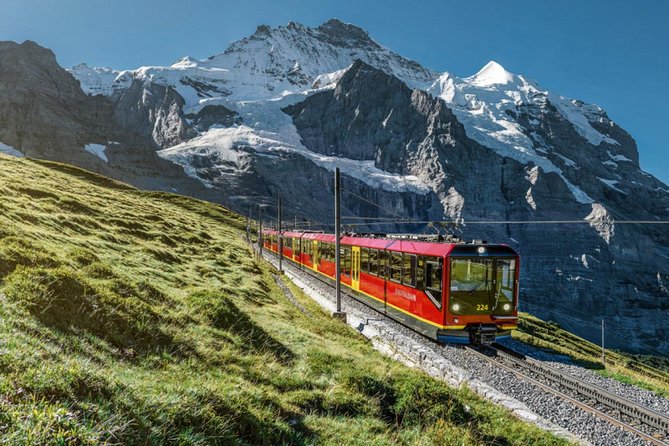
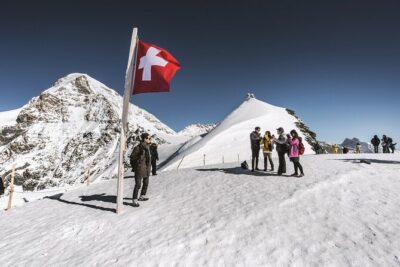
The pass experience includes a stop at Jungfrau, which is the headline mountain zone in this area. But there is an important catch: the connection ticket from Eigergletscher station to Jungfraujoch Top of Europe station is not included.
What that means in plain terms is this. You can use the pass for the parts that are covered, but when you reach the final connection for Jungfraujoch, you will likely pay extra for that specific segment. The good news is that pass holders can purchase that connection locally at a reduced price.
If Jungfraujoch is your number one goal, plan your day so you get there when you can handle the climb and the crowds that come with it. Also, keep a little buffer in your schedule for delays tied to weather and mountain operations.
Schynige Platte: a scenic, easy-to-slot mountain day
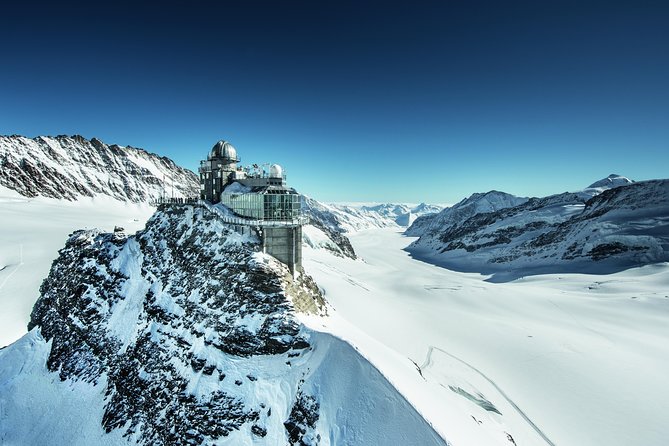
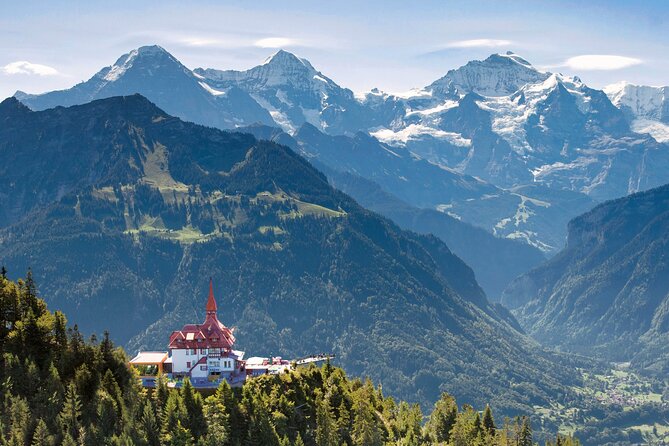
Schynige Platte is one of the most practical pass-friendly stops because it fits neatly into either a full day or a half day. It is listed as a stop with admission included and it pairs well with hiking because it sits in the high alpine zone you want for Bernese Oberland views.
Why it’s worth your time: Schynige Platte gives you an elevated vantage point without forcing you into a very long, all-day grind right from the valley. It is one of those stops where even if your hike is shorter than planned, the ride plus the viewpoint still feel like you got your money’s worth.
What to watch: the included time block is listed as about an hour for this stop. That is not a hard rule for how long you can physically stay, but it’s a good clue for how to pace yourself. If you want lingering photos and longer trail wandering, give yourself more time than the minimum and avoid scheduling it as your last activity of the day.
Mount First: great for hiking lovers and train fans
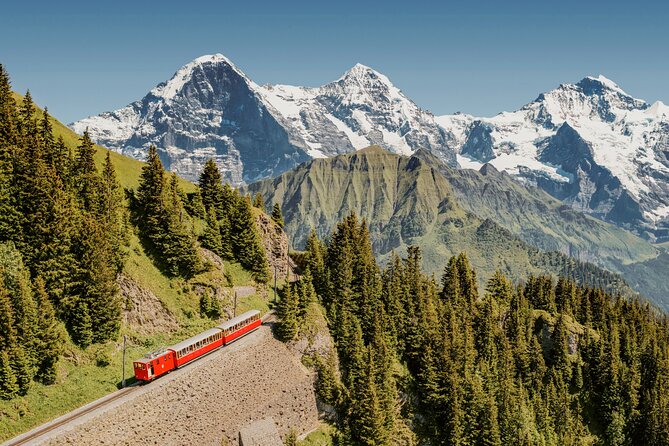
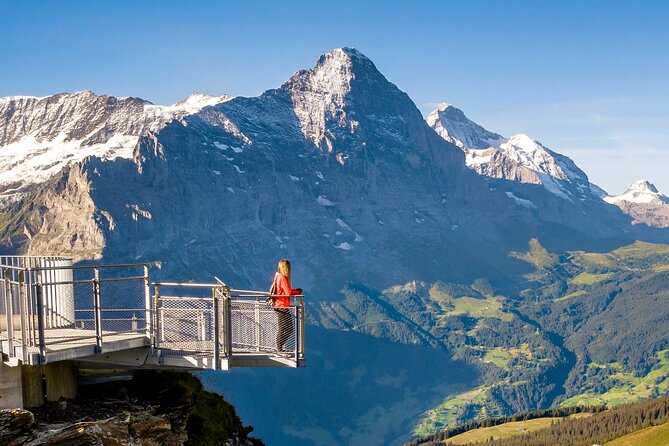
Mount First is another highlight stop and it is listed as a free stop on the pass. The time shown is about two hours, which tells you the intent: do this one when you want to actually move around.
First is popular for a reason. It combines mountain transport with trail access, so you can turn the day into a mix of scenery and walking rather than only riding up and back down. If you like unique rail segments and cable car style views, this is the kind of stop where those little transport moments matter.
A smart planning approach is to make First the hinge of your day. Ride up, do a loop or a point-to-point style hike, then use your remaining pass time to connect to another viewpoint or return toward the valley.
Lake boats and the tricky pass-length coverage
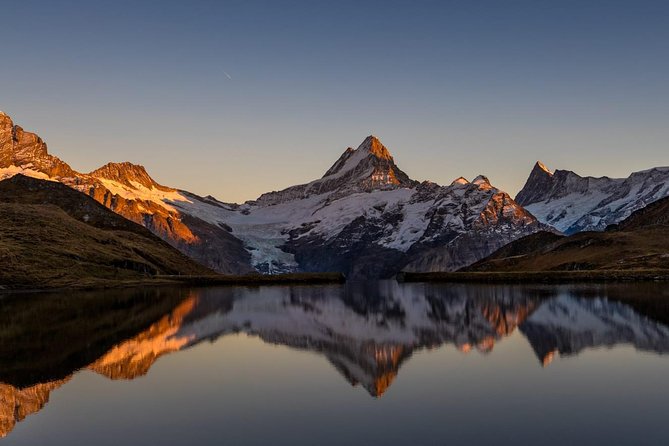
The pass covers boats in some cases, but there is a key detail that trips people up: boat rides on the lakes are not covered with 3- and 4-day passes, while longer passes (5 or more) are more likely to include that kind of ride.
So if a lake boat is part of your dream list, do not assume it will happen automatically on shorter durations. Build your plan with the idea that lakes might require a longer pass, or at minimum, check coverage before you spend your energy on one specific cruise day.
One practical strategy is to use your pass day for trains and gondolas when the weather is changeable, and save the lake boat plan for a day you feel confident about. That way you are not stuck paying extra or scrambling for backups.
A few more departures worth comparing in Interlaken
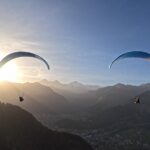
- Interlaken: Tandem Paragliding Flight with Pilot★ 4.9 · 2,117 reviews
- Tandem Paragliding Experience from Interlaken★ 5.0 · 1,655 reviews
- Interlaken: Funicular Ticket to Harder Kulm★ 4.7 · 1,469 reviews
- Tandem Paragliding Experience with Transport from Interlaken★ 5.0 · 767 reviews
Männlichen is free, and service changes can happen
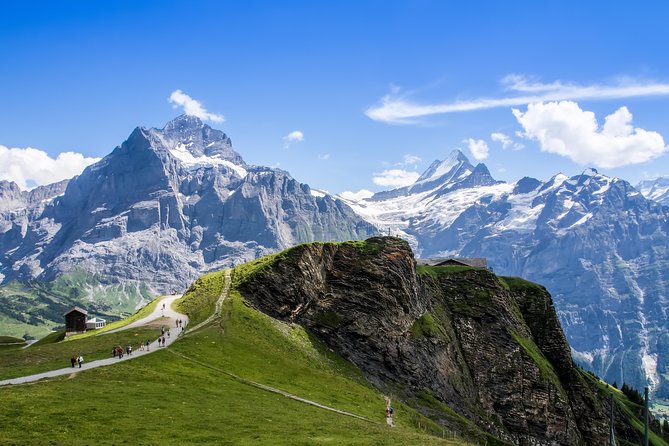
One of the standout benefits here is that you get free travel to Männlichen with the Jungfrau Travel Pass. Männlichen is a classic add-on for mountain views and hiking routes, and having it included can help you justify a pass even if you are not planning to do Jungfraujoch.
There is also a seasonal operations note in the information you provided: in summer 2019, the cable car from Grindelwald Grund to Männlichen (GGM) was reported closed due to construction work. Since that is tied to a specific year, I would not treat it as a permanent rule for all seasons, but it is a useful reminder.
In mountain country, plan for the possibility of temporary route changes. If Männlichen is a must, consider having a Plan B hike nearby that you can do even if one lift segment is down.
Weather can make or break the value of a short pass
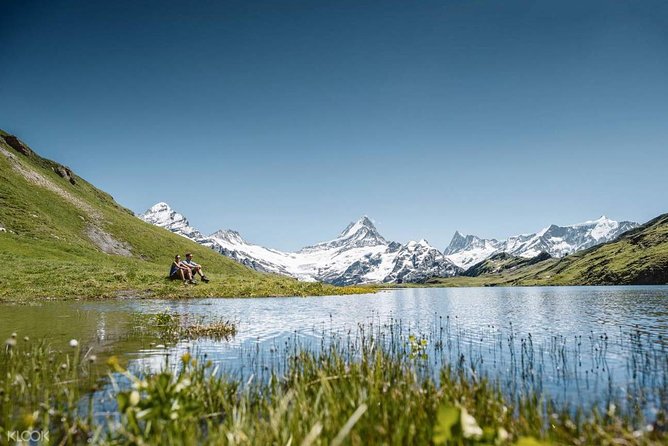
This is the biggest reality point for any Alps plan. Weather controls visibility and comfort, and that affects how satisfying each ride feels.
If you buy a 3-day pass, you get less flexibility when storms move in. There is no simple pause button. If you hit heavy rain, snow, or thick cloud on two of your days, you might end up with short, disappointing viewpoint time and lots of “white sky” viewing instead of the dramatic ridgelines you hoped for.
That does not mean you should avoid the pass. It just means you should match your pass length to your tolerance for risk:
- If you are comfortable spending time in changing conditions, a shorter pass can work.
- If you need consistently clear mountain views, a longer pass usually reduces the odds that weather ruins your whole purchase.
Also note that some railways in the region close during winter, and some openings can be later in spring. If your travel dates fall outside the main summer window, your best move is to check what is operating during your exact weeks.
Price and value: when $260.88 per person makes sense
The price is $260.88 per person, and on average people book around 27 days ahead. The big question is value, and the answer depends on how many rides you plan to stack.
Here is the math thinking I use in mountain regions:
- Estimate your top two or three “must ride” routes (trains, gondolas, and any boat segments you care about).
- If those rides are only going to happen once each, you might not hit the pass break-even.
- If you expect multiple mountain hops per day, the pass can start paying off fast, because it removes the friction of buying separate tickets.
The strongest value pattern is doing a lot of movement. The pass shines when you use it for getting between towns and trailheads, not just for one iconic viewpoint. People tend to feel the benefit when they can ride, hike, and ride again without thinking about ticket counters all day.
It can still feel pricey if your plan is mostly walking in one area with a single cable car. So be honest about your itinerary style: do you want to roam, or do you want one scenic highlight?
Practical gotchas: mobile ticket vs needing an exchange
The pass is listed as a mobile ticket, which sounds simple. But real life can be messier at mountain stations.
One issue that showed up is that digital voucher instructions can be unclear. In one case, a conductor was upset because the traveler had not exchanged a voucher for an official rail pass. The lesson for you is simple: if your instructions say you must exchange a voucher, do it promptly at the rail office in the Jungfrau region. Bring whatever the operator asks for, including printed documents if requested.
Think of it like this. Mountain conductors still need to verify something consistent. Do not gamble on the idea that “phone equals accepted.” Get the pass into the correct form before you ride, so your trip stays smooth.
Who this pass suits best (and who should skip it)
This is a good match if you:
- Want 3 to 6 days in the Jungfrau area and plan multiple rides
- Enjoy hiking and want easy access to trailheads and viewpoints
- Like traveling by train, gondola, bus, and occasional boat without separate tickets
- Want to build your days around weather and not around a fixed tour schedule
It may be a weaker match if you:
- Only want one major attraction and one scenic ride
- Are traveling for a very short window with high weather risk
- Are mainly sightseeing on one side of the valley and won’t rack up many transport connections
One more note: this pass is not a guided tour. It is a mobility tool. If you want a guide who plans hikes and explains history on the spot, you will need to add that separately.
Should you book the Jungfrau Travel Pass 3-8 days?
Book it if your Jungfrau plan looks like real movement: train hops, gondola rides, and at least a couple of mountain stops across multiple days. The pass is especially sensible if you want Jungfrau region viewpoints plus hiking time, because the transport becomes part of your itinerary instead of a separate chore.
I would lean toward booking if:
- You are targeting several stops such as Jungfrau, Schynige Platte, and First, plus hiking between them
- You can commit to using it actively, not just casually
- You can handle buying the Jungfraujoch connection ticket separately if that is your main goal
Skip or reconsider if you are only doing one or two rides, or if you are booking a very short window and cannot tolerate weather uncertainty. In the Alps, clear skies are the difference between a great day and a frustrating one, and a short pass gives you less room to recover.
If you do decide to book, plan your “must pay extra” items early (like the Eigergletscher to Jungfraujoch connection) and keep a flexible hiking day ready. That combination is how you squeeze the most value out of a pass like this.
FAQ
How long is the Jungfrau Travel Pass valid?
It is available for 3, 4, 5, 6, 7, or 8 days.
Is the ticket mobile or paper?
It is listed as a mobile ticket.
What transport types are included?
The pass covers select travel by train, gondola, bus, and boat within the Jungfrau region.
Which major attraction might require an extra ticket?
The connection ticket from Eigergletscher station to Jungfraujoch Top of Europe station is not included, but you can purchase it locally at a reduced price for pass holders.
Are meals or a guide included?
No. Food and drinks are not included, and there is no guide or hotel pickup provided.
Does the pass include Männlichen?
Yes, you get free travel to Männlichen with the Jungfrau Travel Pass.
Are lake boat rides included on every pass length?
Lake boat coverage depends on the pass length, and boat rides on the lakes are not covered with 3- and 4-day passes. Longer passes are more likely to include them.
What if I need to cancel?
Free cancellation is available up to 24 hours in advance for a full refund.
Are service animals allowed?
Yes, service animals are allowed.
Is it accessible for most people?
It is listed as near public transportation, and most travelers can participate.
Added lately around Interlaken
Jungfrau Railway Excursions, compared.
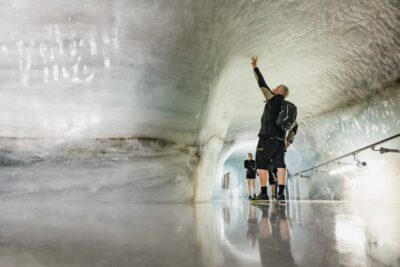
Jungfraujoch: Top of Europe Day Trip from Zurich
Read our review →
Jungfraujoch Day Trip from Zurich: Swiss Alps & Bernese Oberland
Read our review →
Jungfraujoch Top of Europe Day Trip from Lucerne
Read our review →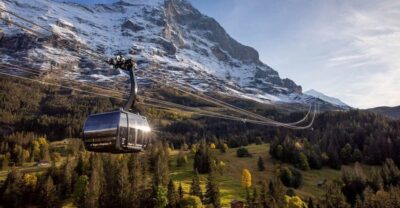
Jungfraujoch Top of Europe Day Trip from Interlaken
Read our review →
Browse the lists this tour appears in