
Reviewed · WALKING TOURS
Interlaken Private Walking tour
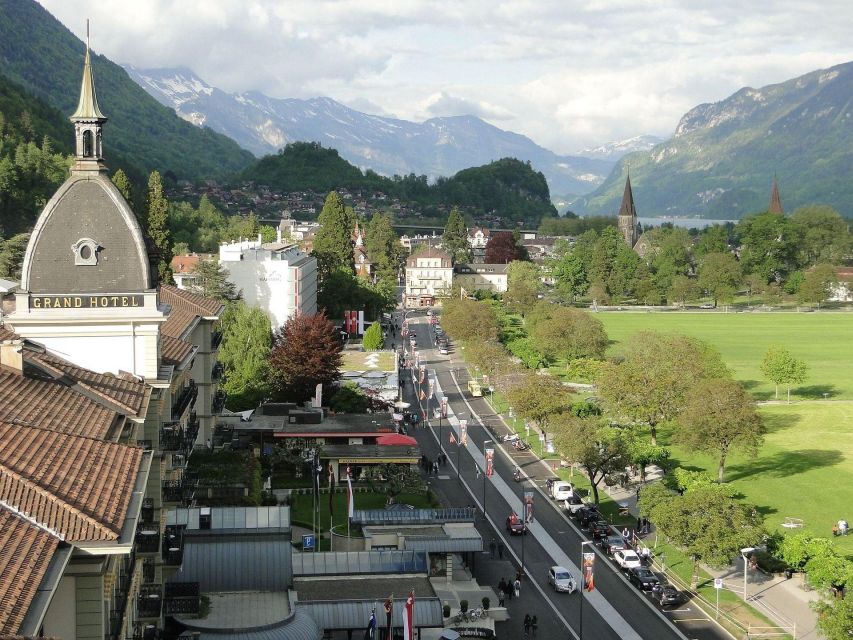
Interlaken tells its story in walking distance. This private 1.5-hour route runs from the neo-gothic Heiliggeistkirche into the town’s medieval roots, then ends near the Casino Kursaal for a natural lead-in to a Swiss folklore show. I especially like how the tour connects big, European events to what you actually see on the streets.
What I really like is the guide format. You get a local professional guide with your group only, and the experience can be customized on the spot, which is perfect when you want more detail or less time at certain corners.
One consideration: it is a history and town-focus walk, not a long viewpoint tour. If your main goal is mountain panoramas or a lot of lake time, you may want to pair this with another half day on Thunersee or Brienzersee.
In This Review
- Key Points to Know Before You Go
- Getting Oriented at Interlaken Ost
- Heiliggeistkirche to Town Beginnings: Where Interlaken’s Story Starts
- Monks, Medieval Names, and the Holy Roman German Empire
- The Protestant Revolution and Secular Transformation You Can See
- Garden of Friendship: Otsu, Japan Meets Interlaken
- Stadthausplatz, a Survival Square, and the River-Pebble Chapel
- Casino Kursaal Area and the 19th-Century Tourism Boom
- Private Guide Value: Price, Group Size, and Why It Can Be Worth It
- Who This Interlaken Walking Tour Suits Best
- Should You Book This Private Interlaken Walking Tour?
- FAQ
- Where does the Interlaken private walking tour start?
- How long is the tour?
- Is the tour guided in English?
- Is the tour private?
- What is included in the price?
- Are entrance fees included?
Key Points to Know Before You Go
- Start at Heiliggeistkirche and get the neo-gothic church context early, so the rest of town history clicks.
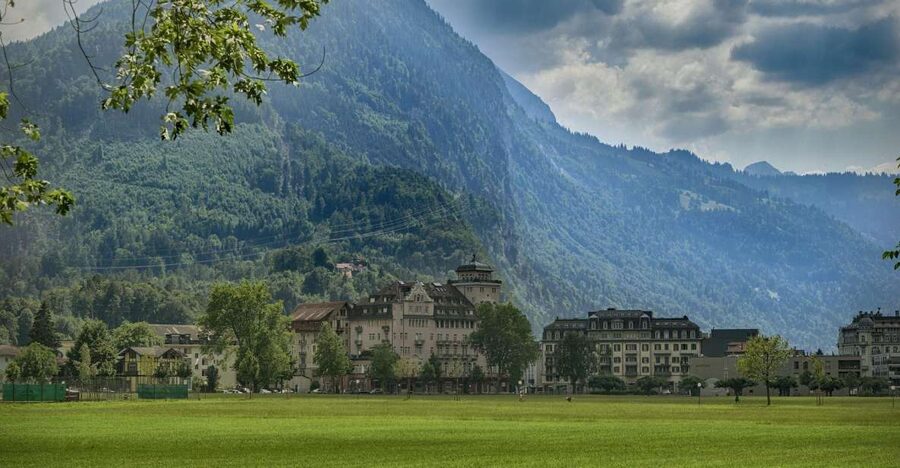
- Medieval Interlaken and monk-founded origins explain why this spot became a destination long before modern tourism.
- Holy Roman German Empire influence adds political context without bogging you down.
- Garden of Friendship links Interlaken to Otsu, Japan through the first Japanese garden in Switzerland.
- Stadthausplatz and a river-pebble chapel detail give you a concrete, visual “how did this town survive” moment.
- Casino Kursaal timing makes it easy to continue with Swiss folklore after the walk.
Getting Oriented at Interlaken Ost
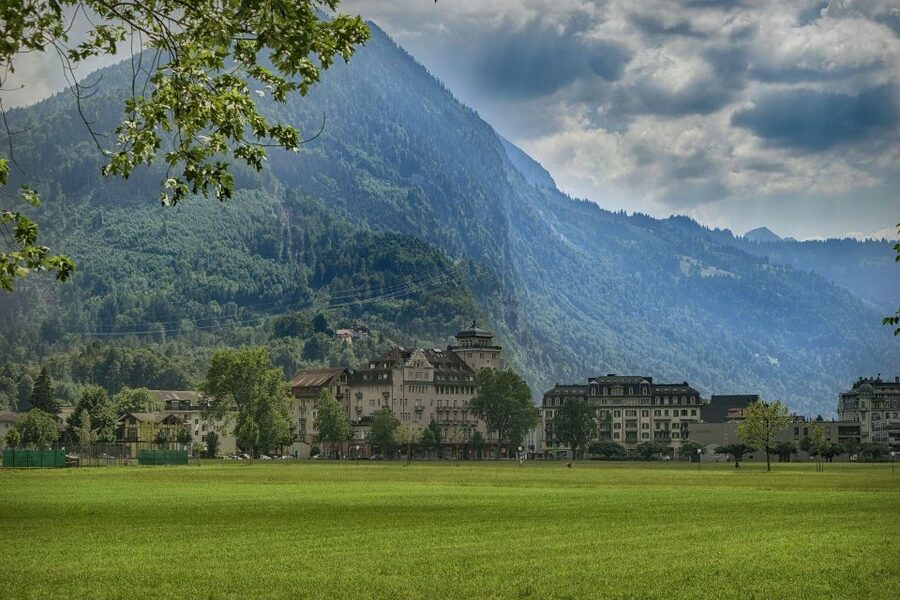
This tour starts at Interlaken Ost train station (3800 Interlaken). The timing is designed for a smooth, walkable loop, so you do not waste precious daylight figuring out where to begin.
Why I like this: Interlaken can feel like a hub town when you first arrive. Starting at the station helps you get your bearings fast, then you transition right into the older layers of the town center.
Also, because it is private, it is easier to move at your pace. If you want to linger by a church facade, or you want more explanation at one stop, you can steer that with your local guide.
Heiliggeistkirche to Town Beginnings: Where Interlaken’s Story Starts
A neo-gothic church is a strong opener, and Heiliggeistkirche does that job well. You begin here and then build toward the idea that Interlaken was not always the postcard-friendly base for mountain holidays.
Your guide sets up the medieval origins first, including earlier names for Interlaken and the town’s foundation by monks in a scenic setting between the two alpine lakes of Thunersee and Brienzersee. That geography matters because this is not just a pretty location. It is a natural corridor and gathering place, which helps explain why religious and political forces cared about this region.
Two practical benefits for you:
- You get a clear mental map early, so the walk does not feel like disconnected stops.
- You learn the “why” behind later changes, especially when the conversation turns from religious power to secular transformation.
The church is a focal point, but it is also a storytelling device. You will understand what it means in the town’s timeline before you even move on to the quieter corners.
More Guided Walks in Interlaken:
- Interlaken 3-hours Private Walking Tour & Mt. Harder Excursion
★ 5.0 · 9 reviews - Grindelwald First (Top of Adventure) Ticket incl. Cliff Walk
★ 3.5 · 8 reviews - Lauterbrunnen: Private Walking Tour with an Irish Guide
★ 4.9 · 8 reviews
Monks, Medieval Names, and the Holy Roman German Empire
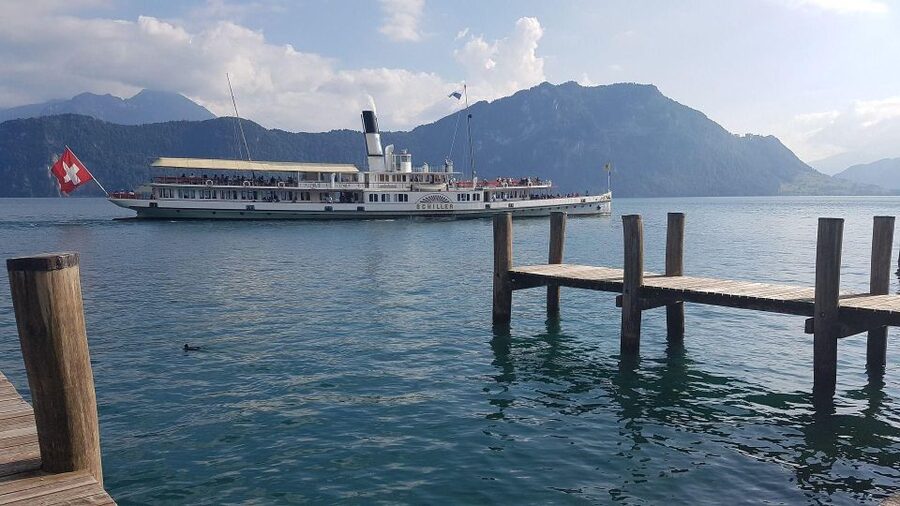
Once you leave the church area, the tour tightens the story around Interlaken’s earlier identity. You will hear how the town developed from monk-led beginnings, then how the wider political world shaped what happened locally.
The key theme here is the influence of the Holy Roman German Empire. Instead of treating Interlaken as a small lakeside town, your guide frames it as part of a much bigger chessboard. That matters because it helps you understand why local history would shift with larger European power struggles.
What you will likely find valuable is the way this context changes your eye. A chapel, a square, even the layout of the center can start to feel like evidence, not decoration. You are not just looking at old buildings. You are trying to read how power and belief affected ordinary life.
If you like history but hate long lectures, this is the kind of story-telling that stays anchored in places you can actually point to.
The Protestant Revolution and Secular Transformation You Can See
From medieval beginnings, the tour moves through the Protestant revolution and the shift toward secular transformation. This is one of the most important turning points for the region, and the guide uses it to explain why religious life and public life changed over time.
For you, the practical payoff is that you can connect modern Interlaken to what came before. If you only treat the town as a travel base, it is easy to miss how much religious and political change shaped daily routines and institutions.
A good walking tour should do more than mention dates. It should help you notice what remains. In this case, the shift away from purely religious structures helps explain the presence and role of civic spaces and community landmarks later on.
This part also sets up the next stops by showing how Interlaken’s role evolved. It stops being only a monastic and religious node and becomes something more civic and outward-facing.
Garden of Friendship: Otsu, Japan Meets Interlaken
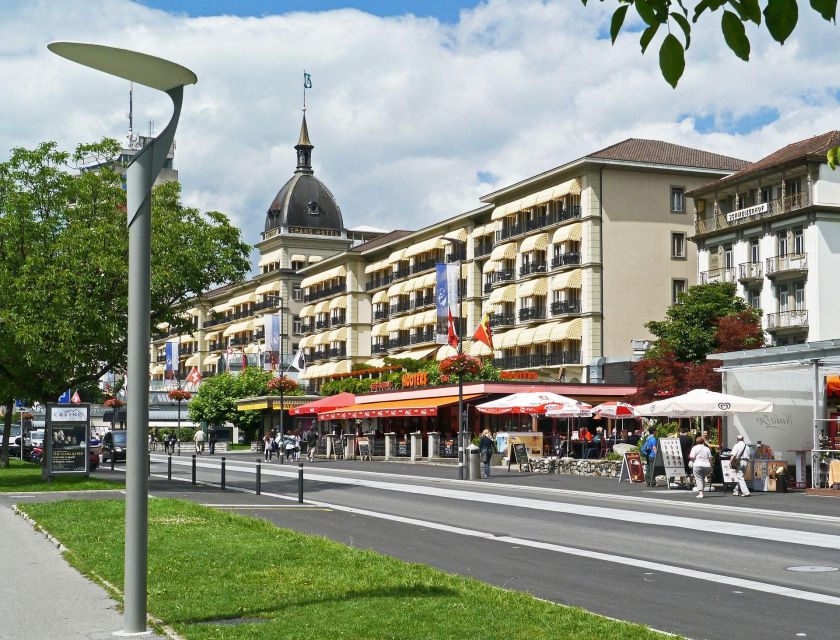
Then comes one of the most charming stops for a visitor: the Garden of Friendship. This is noted as the first Japanese garden in Switzerland, built as a symbol of friendly relationships between Interlaken and Otsu, Japan.
Why this matters, beyond the feel-good concept: it shows how Interlaken’s identity kept expanding long after the medieval era. The town becomes a meeting point, not only for pilgrims and politics, but also for international cultural ties.
You will likely appreciate the contrast. You start with church and empire influences, then you step into a landscaped space tied to a modern international friendship. It is a reminder that history does not only live in old stones. It also shows up in how towns choose to relate to the world.
If you enjoy photo breaks, this stop makes sense. It gives you a pause while still staying inside the theme of Interlaken as a connection point.
Stadthausplatz, a Survival Square, and the River-Pebble Chapel
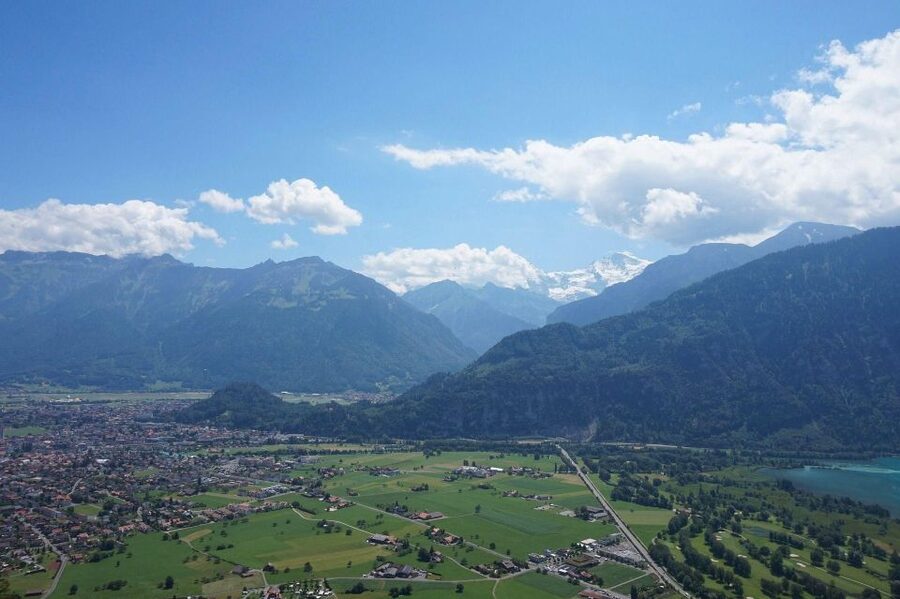
Next, you pass Stadthausplatz, a small and pleasant square that was once important for the city’s survival. That line can sound abstract until you learn what it implies about civic life. Your guide ties it to the idea that towns needed gathering points for real, practical reasons, not just for celebrations.
Nearby, you can see a tall old chapel built with small pebbles of the river. That material detail is exactly the kind of thing that makes a walking tour worthwhile. It gives you something tangible to remember when you later compare Interlaken to other Swiss towns.
For you, this stop is about noticing craft and local adaptation. The region’s geology and river resources show up in architecture, and you start to understand how towns built and maintained identity from available materials.
Also, because the square is small, you are not stuck in a big open area with wind and noise. It is a manageable break while still moving your story forward.
A few more departures worth comparing in Interlaken
- From Zurich: Day Trip to Jungfraujoch – Top of Europe★ 4.8 · 2,378 reviews
- Interlaken: Tandem Paragliding Flight with Pilot★ 4.9 · 2,117 reviews
- Tandem Paragliding Experience from Interlaken★ 5.0 · 1,655 reviews
- From Interlaken: Guided Tour to Jungfraujoch – Top of Europe★ 4.7 · 1,649 reviews
Casino Kursaal Area and the 19th-Century Tourism Boom
The final act heads toward the area of Casino Kursaal, with a view that points you to a prominent mid-19th-century entertainment venue. This is where the tour ties together religion, civic transformation, and then the big shift toward tourism.
Your guide explains the 19th-century tourism boom that helped shape Interlaken into the town people now use as a base for mountain and winter sports. Once you hear that, you can understand why Interlaken feels like it was built for visitors even though the roots are far older.
Then there is the practical angle: the walk ends in a spot that makes it easy to continue with a Swiss folklore show at Casino Kursaal after your tour. Even if you skip the show, it is a strong way to end. You go from medieval to modern entertainment without changing towns.
If you like ending a tour with a living, contemporary activity, this finish is a good match. If you prefer quieter evenings, you can simply use the timing to get back into your own plans.
Private Guide Value: Price, Group Size, and Why It Can Be Worth It
The price is $397 per group, up to 15 people, for 1.5 hours. That pricing structure changes the math depending on how many people you bring.
Here is the simple way to think about value:
- With just two people, you are roughly at $200 each for a private guide.
- With four people, you are roughly at $100 each.
- With up to 15, the per-person cost drops a lot, but you may need to accept that customization can become more about balancing interests.
What justifies the price is the private guide with your group only, plus possible customizing on the spot. That is not a small upgrade. In a town like Interlaken, where history pieces are spread through the center, a guide who can adjust pacing and emphasis can turn a basic walk into a more personal experience.
The English language guide also matters if you want clear explanations without reading signage for every clue.
This tour fits especially well if you:
- want a history-driven walking tour that still feels easy and compact
- like one-on-one or small-group conversation
- are short on time but want the town’s layers explained
If you are traveling with children, this can work only if your family enjoys short historical stops. It is not described as a kids-focused program, so you will want to be honest about attention span.
Who This Interlaken Walking Tour Suits Best
I think this is a strong fit for two types of travelers.
First, culture and history lovers. You get medieval origins, the Holy Roman German Empire influence, the Protestant revolution, and secular change, all tied to visible places.
Second, people who want a practical introduction to Interlaken. Starting at Interlaken Ost and walking through town lets you understand what you are seeing, so later, when you venture to lakes and mountain viewpoints, the town itself feels less like a generic transit base.
If you mostly came for big views, ski days, or lake cruises, you might treat this as the “context layer.” Then you spend the rest of your trip doing the things Interlaken is most famous for.
Should You Book This Private Interlaken Walking Tour?
Book it if you want a guided, story-based walk that connects religious and political change to modern Interlaken, with a very satisfying stop at the Garden of Friendship and a natural lead-in toward a night of Swiss folklore at Casino Kursaal.
Skip it if your schedule is packed with outdoors time and you only want scenic viewpoints or lake time. This tour is about what shaped the town. It is not positioned as a long scenic excursion.
If you can manage one 1.5-hour block, this private format is a smart way to get the meaning behind Interlaken while the rest of your day stays free for the Alps.
FAQ
Where does the Interlaken private walking tour start?
It meets at Interlaken Ost train station, 3800 Interlaken, Switzerland.
How long is the tour?
The duration is 1.5 hours.
Is the tour guided in English?
Yes, the live tour guide is English.
Is the tour private?
Yes, it is a private group, with a local professional guide who stays with your group only.
What is included in the price?
The guide is included. The tour also notes possible customization on the spot with your local guide.
Are entrance fees included?
No, entrance fees are not included.
Added lately around Interlaken



Walking Tours, compared.
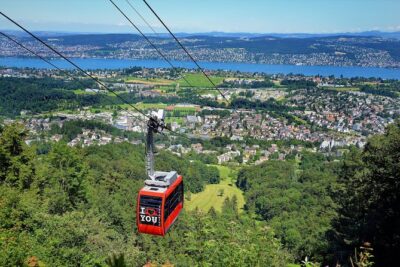
Zurich Walking Tour With Cruise and Aerial Cable Car
Read our review →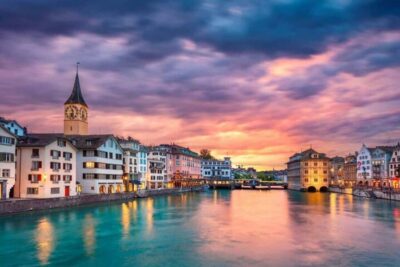
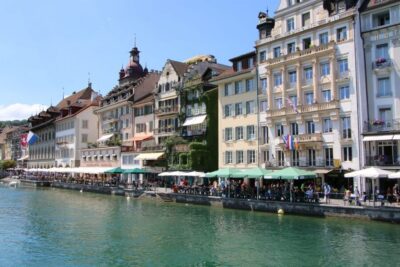
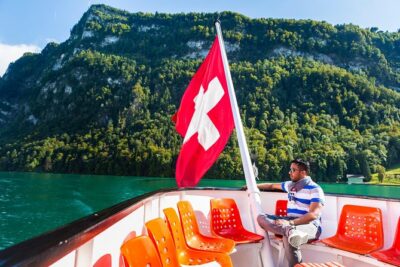
Lucerne Walking & Boat Tour: The Best Swiss Experience
Read our review →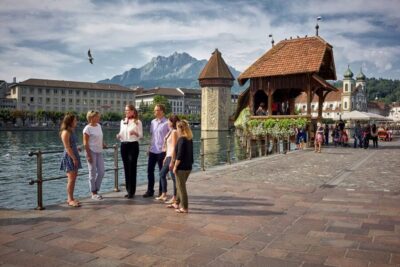
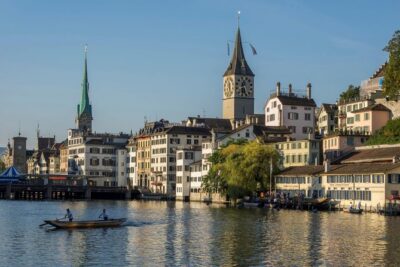
3 in 1: Zurich Walking Tour – Cruise on the Lake – Cable Car Ride to Felsenegg
Read our review →Browse the lists this tour appears in