
Reviewed · EVENING EXPERIENCES
From Interlaken: Night Sledding
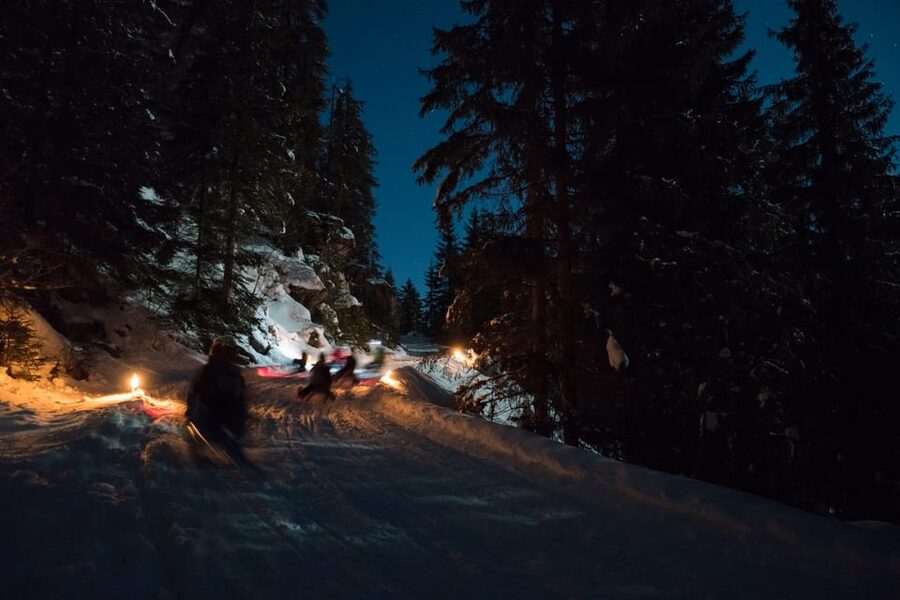
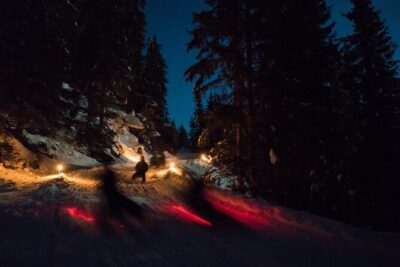
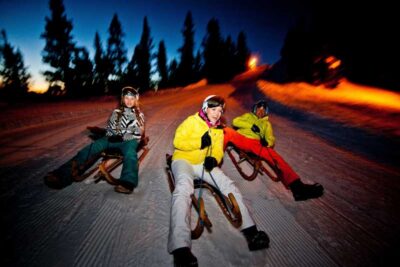
Night sledding in Switzerland wakes up your nerves. I love the rush of a moonlit sled path dropping through dark woods and snowy meadows, and I also love how the experienced instructor keeps you moving with coaching you can actually use. One drawback to plan for: the run is unlit, so you’ll feel the steepness more than you would in daylight, and your focus needs to be on.
You’ll meet in Interlaken, take transport up into the Alps, ride a gondola, get a safety briefing, then sled downhill in intervals with frequent regrouping stops. And because conditions change, the sledding location may shift depending on snow.
In This Review
- Key Highlights You’ll Notice Fast
- Why Night Sledding in Interlaken Feels Special
- The 3-Hour Flow From Interlaken to the Alpine Run
- What the Unlit Track Really Means for Your Nerves
- Gondola Time, Snow Conditions, and Why Location Can Change
- Safety Briefing, Gear Checks, and How the Guides Manage the Group
- How the Sled Run Actually Feels: Speed, Intervals, and Steering
- What to Wear and What to Rent (So You Stay Warm and Functional)
- Included Value: What You Get for $166 Per Person
- Who This Night Sledding Tour Fits Best (And Who Should Skip It)
- Practical Logistics: Group Rhythm, Timing, and Expectations
- My Booking Advice: Should You Go?
- FAQ
- How long is the Night Sledding experience?
- What’s included in the price?
- What should I bring, and is clothing rental available?
- Is the sled track lit?
- Who is this experience not suitable for?
- Is there free cancellation?
Key Highlights You’ll Notice Fast
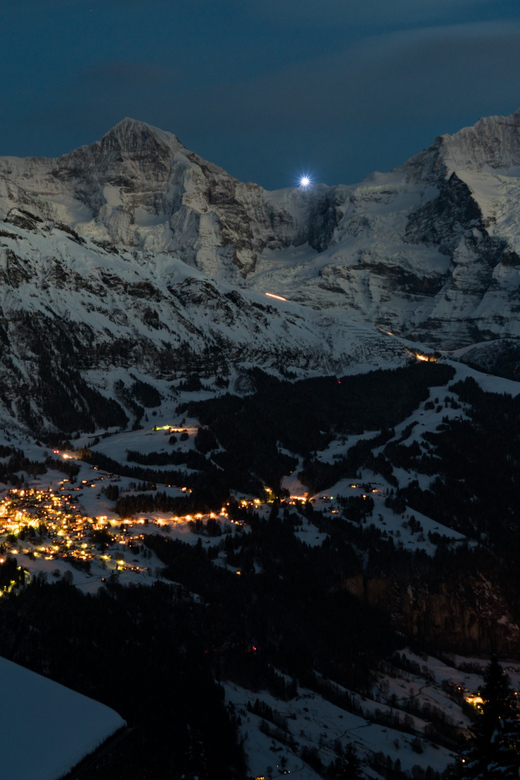
- Moonlit, unlit track with good snow visibility
- Frequent regroup stops, so you control your pace
- Included sled, transport, gondola ticket, and guide for one set fee
- Onsite rentals for warm winter clothing and gloves
- Guides like Danny G and Alexi are praised for pacing nervous riders
- Weight limit and health limits are real constraints, not suggestions
Why Night Sledding in Interlaken Feels Special
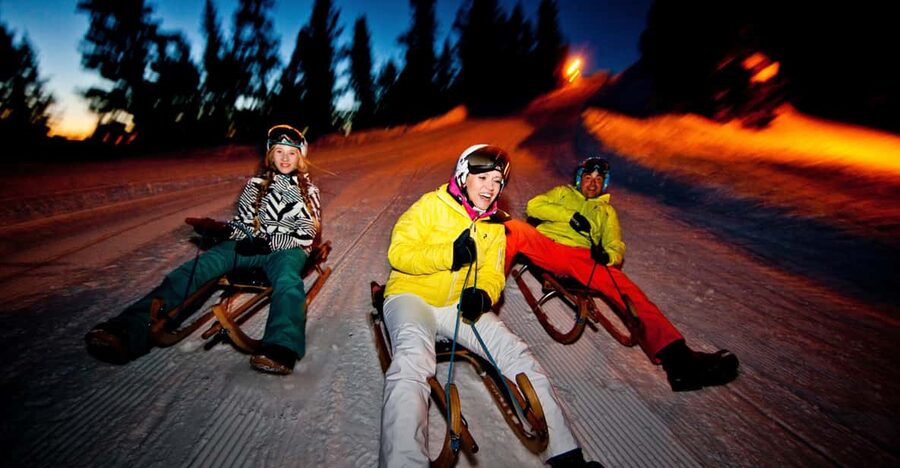
Daytime sledding is about speed. Night sledding is about atmosphere. In the Alps, the dark does something magical to your sense of distance, and you end up watching the slopes for your next turn instead of just chasing the downhill. That makes it thrilling, but also more mentally active.
I also like that this outing is built around coaching. You’re not just dropped on a slope. You get a thorough safety briefing first, then you sled while your guide stays with the group and makes sure everyone is together again at stops.
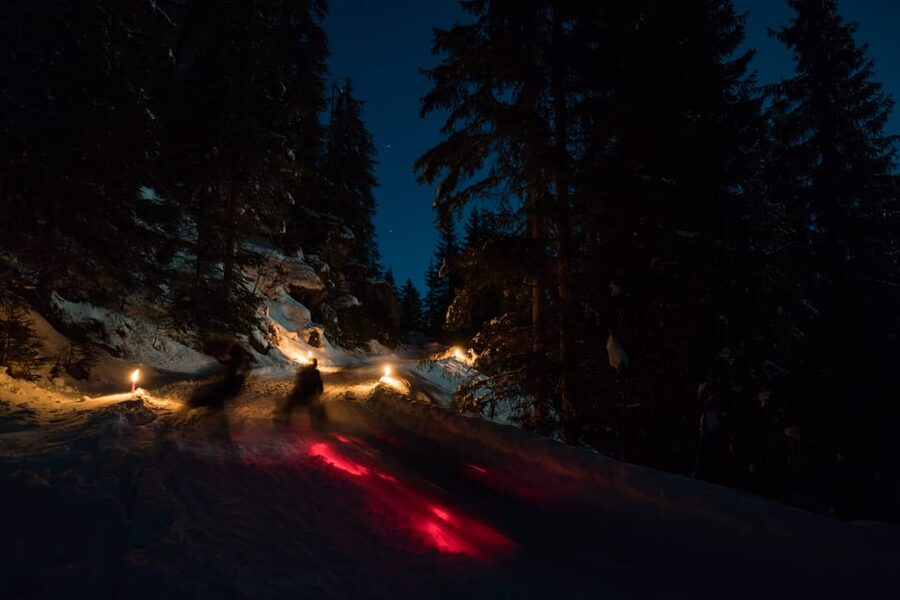
The other big factor is how the track is lit. This run is unlit, but you can still see well because of the snow. So you’re not riding blind, but you will notice darkness, especially when your eyes adjust.
The 3-Hour Flow From Interlaken to the Alpine Run
This is a tight 3-hour experience, so it moves. Here’s the rhythm you should expect.
You start in Interlaken and meet your guide for the briefing. From there, you head up toward the sledding area using included transportation and gondola time. The gondola matters because it places you up in the Alps where the sled course makes sense, and it saves you from hiking in winter conditions.
Once you’re at the track, the guide leads you through the process on the sled route. You get multiple downhill pushes, not one long nonstop run. Frequent stops happen so everyone regroups, which is a big deal for both safety and comfort.
By the end, you’re back down and finished with the activity. It’s long enough to feel like you did something real, not so long that you’re exhausted from cold and waiting.
More Snow Days in Interlaken
- From Interlaken: Afternoon Ski Experience for Beginners
★ 4.7 · 148 reviews - Night Sledding from Interlaken
★ 4.5 · 53 reviews - From Interlaken: 8-Hour Skiing in Grindelwald for Beginner’s
★ 4.7 · 48 reviews
What the Unlit Track Really Means for Your Nerves
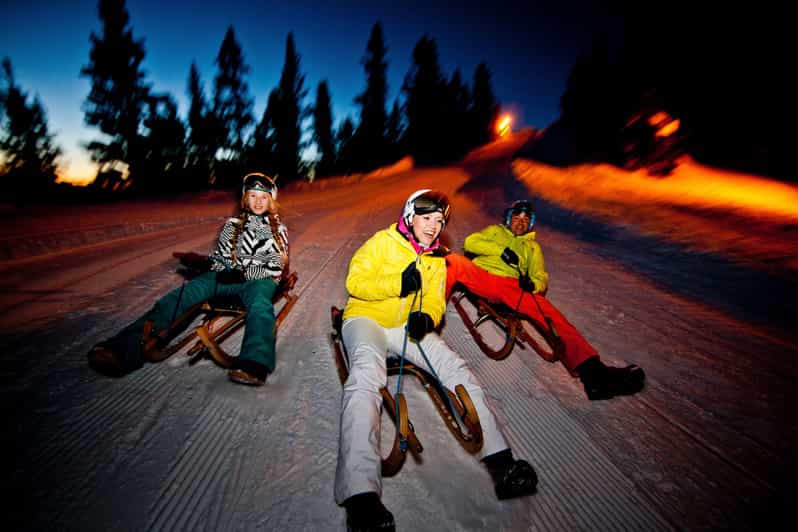
Unlit can sound scary. In practice, it’s more about how you manage attention. The track is unlit, but you can see well due to the snow. That means the course still reads clearly, especially for following the path and tracking where the snowbanks guide the sled.
Still, it’s not the same as riding on a lit ski run. One person specifically noted the worry of not having railing along the course. That’s the kind of detail you should take seriously, because it’s not about danger being dramatic, it’s about how your body reacts when there’s open space next to the trail.
The good news is that the guide-led approach helps you stay calm. People who were nervous appreciated that instructors stayed with them and adjusted the pace. Guides like Danny G and Alexi are specifically called out for keeping riders comfortable while still letting them enjoy the speed.
Gondola Time, Snow Conditions, and Why Location Can Change
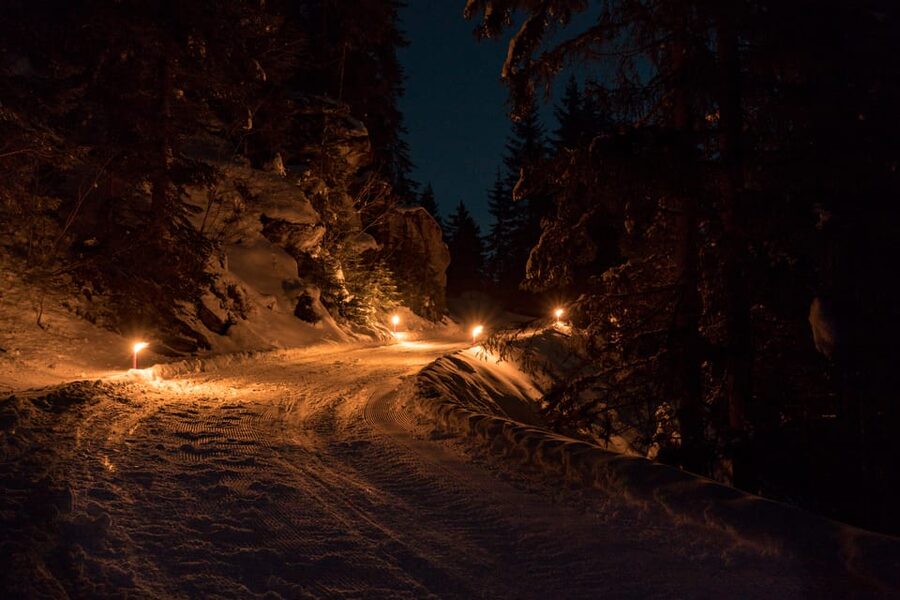
This tour includes a gondola ticket, and you’ll use it as part of getting to the sled route. Even if you’ve done gondolas before, doing it at night gives you a totally different view of the Alps. The mountain air is colder, the light is softer, and the whole trip feels more like an expedition than a quick activity.
One practical thing: your sledding location can change depending on snow conditions. That’s not a problem, it’s how winter sports work in the Alps. The course you ride might shift, and that’s why you should treat this as a timed experience, not a precise forecast of one exact slope.
Safety Briefing, Gear Checks, and How the Guides Manage the Group
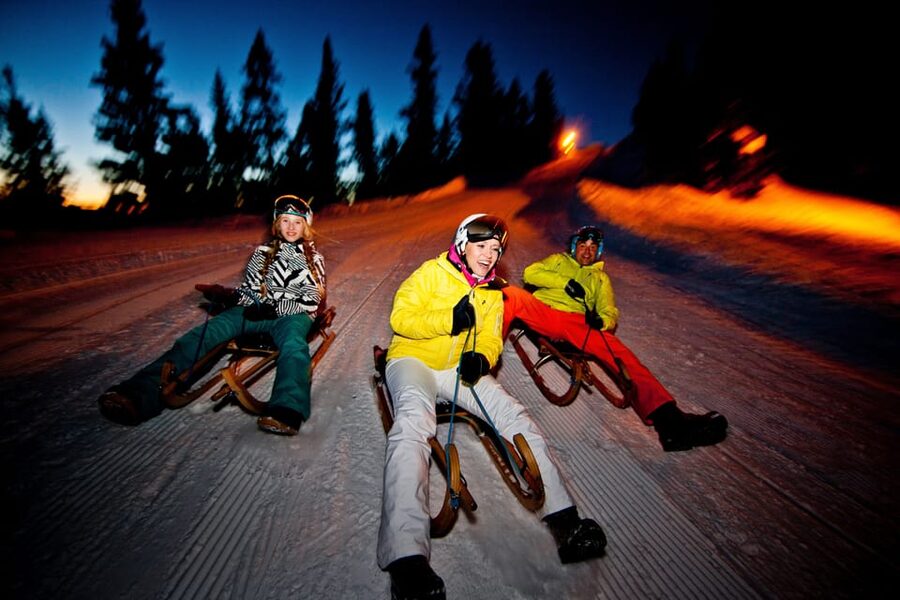
Before you start, you’ll get a thorough safety briefing. This is one of those parts that you might roll your eyes at. Don’t. With sledding, small technique fixes matter. If you sit wrong, steer wrong, or get tense too early, the experience stops being fun and starts being scary.
You also need to be ready for a cold, physical ride. You’ll be on a sled and moving in winter gear. Frequent stops to regroup also mean you’ll have moments to reset, drink water if you packed it, and warm back up a bit.
From the guidance style people describe, the team manages the group like they’ve seen every kind of rider. Some people go faster immediately. Others need extra support. There’s even mention of guides staying with slower riders and going at their pace, which is exactly what you want if you’re unsure about control.
How the Sled Run Actually Feels: Speed, Intervals, and Steering
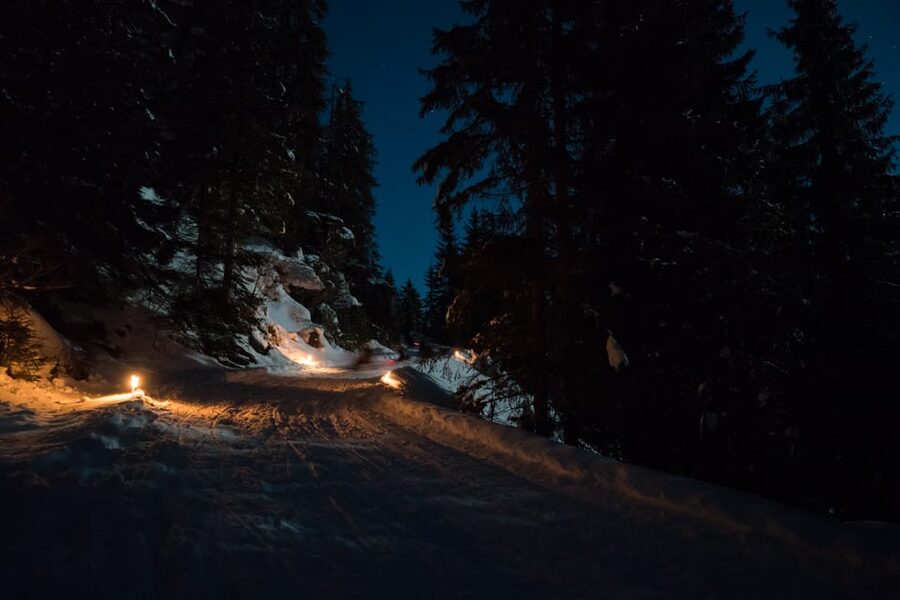
The core highlight is the descent in a moonlit setting, but the more you think about it, the more you’ll notice the real structure is intervals. You’ll stop frequently on the way down to regroup. Those stops let you go as fast as you want or as slow as you want without feeling pressured.
In terms of sensation, expect a heart-racing mix of downhill momentum and winter friction. The sled moves quickly enough to make you feel it, but it’s guided, not random. You’ll learn the steering and posture basics during the briefing so your runs become more predictable.
One caution: if you miss your steering from the edge, it can feel like you might fall off. That’s not necessarily because the activity is unsafe, it’s because sledding is inherently physical and your body has to work with the sled. The guides handle it safely, but you should still go in with the mindset of learning.
Also, conditions can affect how wet or slippery the ride feels. I’d plan on getting snow on you, even if you wrap up well.
Higher up, or further along the lake:
- From Zurich: Day Trip to Jungfraujoch – Top of Europe★ 4.8 · 2,378 reviews
- Interlaken: Tandem Paragliding Flight with Pilot★ 4.9 · 2,117 reviews
- Tandem Paragliding Experience from Interlaken★ 5.0 · 1,655 reviews
- From Interlaken: Guided Tour to Jungfraujoch – Top of Europe★ 4.7 · 1,649 reviews
What to Wear and What to Rent (So You Stay Warm and Functional)
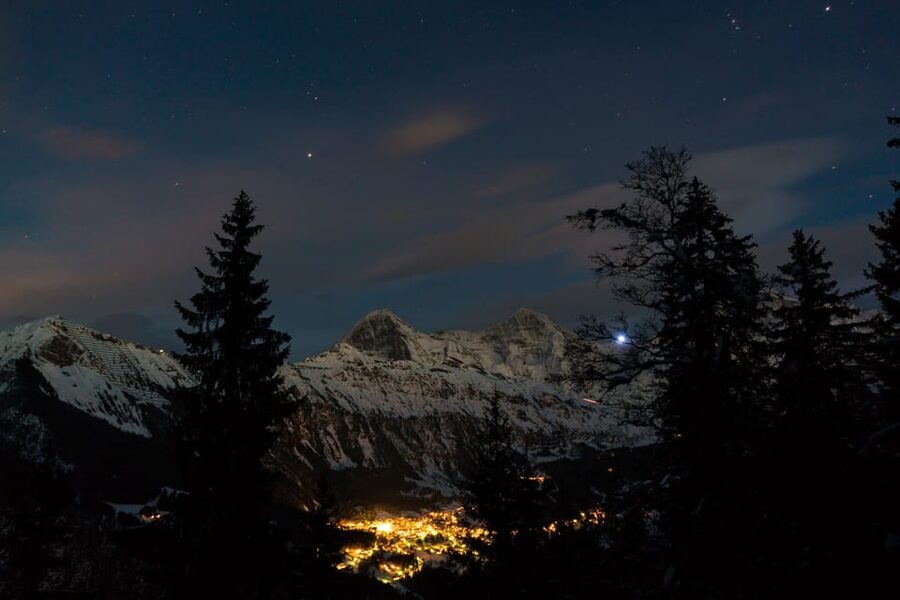
Warm winter clothing is the difference between fun and suffering. The tour requires warm, weather-appropriate layers and specifies bringing essentials like a hat, hiking shoes, gloves, and snow clothing. Warm shoes matter because you’re on snow and moving around in cold air, not just sitting.
If you don’t have the right gear, there are onsite rentals for warm winter clothing, including gloves, ski pants, jackets, and beanies. That makes it easier to pack light. There’s also mention that a rental shop can provide waterproof clothes or hiking boots for a comfortable ride down the mountain. Those rentals are not included in the price, so treat them as an extra budget item.
Here are the practical packing tips I’d use for this:
- Wear gloves you can grip with, not just thin liners.
- Choose footwear that stays flexible and doesn’t soak through.
- Bring a hat that covers ears, because cold at night is sneaky.
- Dress for wind and wet snow, not for comfort in the lodge.
And if you’re worried about impact from falls, pad up how you can. One rider specifically advised padding the butt and upper body. That’s not glamorous, but it’s smart.
Included Value: What You Get for $166 Per Person
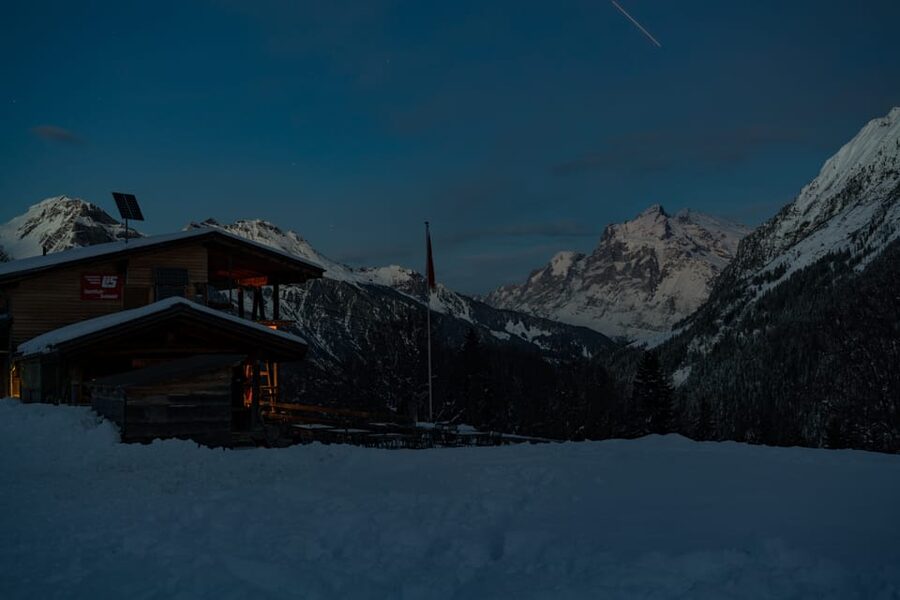
At $166 per person, you’re not only paying for the sled. You’re also paying for the infrastructure that makes the whole night run possible: sled, transportation, a gondola ticket, and a guide. That bundling matters because many activities charge extra for getting up into the Alps and then sell the gear separately.
What’s not included is also important: warm winter clothing rentals, plus food and drinks. So if you arrive underdressed or hungry, you’ll spend extra. The best value is when you show up ready to dress properly, or you budget for rentals on site.
When I evaluate value in snow activities, I always ask one question: Do you get a full, guided experience with less guesswork? Here, the guide, briefing, and regrouping stops reduce uncertainty, and that makes the money feel more justified.
Who This Night Sledding Tour Fits Best (And Who Should Skip It)
This is not for everyone, and the limits are clear. It’s not suitable for children under 10. Pregnant women should skip it. People with back problems or heart problems should also skip it.
There’s also a weight limit: people over 275 lbs (125 kg) can’t join. Plus, pets aren’t allowed, and unaccompanied minors aren’t allowed.
So who is it perfect for?
- Adults and older kids who want a real adrenaline hit with instruction
- Groups who don’t want to figure out winter gear and logistics on their own
- Nervous riders who will take guidance seriously and follow instructions
If you’re the type who hates cold, gets stressed in the dark, or panics at open edges, this might not be your best night plan. You can still enjoy Switzerland in plenty of other ways.
Practical Logistics: Group Rhythm, Timing, and Expectations
The tour runs for 3 hours and checks availability for starting times. That means you may have one or more departure windows depending on the day.
You’ll do plenty of moving between points, and you’ll have downtime during regrouping. One person noted that the sledding time can feel broken into smaller intervals, with waiting for the rest of the group. That doesn’t mean the ride isn’t fun, it means you should mentally prepare for pauses so you don’t feel like you’re stuck.
English is the live guide language, so you can follow instructions clearly. Frequent stops to regroup also make it easier for you to ask questions and stay with the group.
My Booking Advice: Should You Go?
If you want an Interlaken activity that feels unmistakably Swiss and unmistakably winter, I think this is a strong pick. The night setting is the selling point, but the real value is the combination of a guide-led run, a safety briefing, and included transport plus gondola access. You get the thrill without turning it into a DIY project.
Book this if:
- You’re comfortable with cold and moving outdoors at night
- You want adrenaline with coaching, not random freedom
- You’re happy to wear proper gear and follow instructions closely
Skip it if:
- You fall into the health limits listed for heart or back problems
- You’re under 10, traveling with a minor who won’t be accompanied, or traveling with pets
- You know you hate unlit, dark activity where you have to focus on the slope
In short, night sledding here is worth it when you respect the cold, dress right, and trust the guide. Then you get that moonlit speed feeling and the kind of memory that sticks.
FAQ
How long is the Night Sledding experience?
The experience lasts 3 hours.
What’s included in the price?
The price includes the sled, transportation, a gondola ticket, and a guide.
What should I bring, and is clothing rental available?
You should bring warm clothing, a hat, hiking shoes, gloves, and weather-appropriate layers. Warm winter clothing for rental is available onsite, including gloves, ski pants, jackets, and beanies. Waterproof clothes or hiking boots may also be available from the rental shop for a comfortable ride, but rentals are not included in the price.
Is the sled track lit?
No. The track is unlit, but you can see well due to the snow.
Who is this experience not suitable for?
It is not suitable for children under 10, pregnant women, people with back problems, people with heart problems, and people over 275 lbs (125 kg). Pets are also not allowed, and unaccompanied minors are not allowed.
Is there free cancellation?
Yes. You can cancel up to 24 hours in advance for a full refund.
More Evening Experiences in Interlaken
- The best Sunset hike with Cheese Fondue
★ 5.0 · 33 reviews - From Interlaken: Night Sledding with Cheese Fondue Dinner
★ 4.9 · 29 reviews - Interlaken: Night Sledding Adventure & Swiss Cheese Fondue
★ 4.9 · 24 reviews - Night Sledding with Fondue
★ 4.0 · 10 reviews
Added lately around Interlaken
Evening Experiences, compared.
Browse the lists this tour appears in