Reviewed · VIP
5 Countries Alpine Grand Tour in a Luxury Car
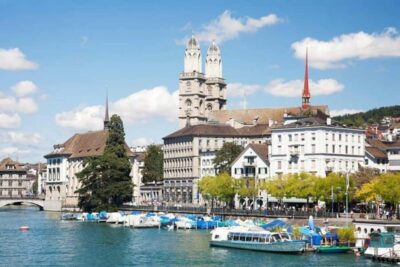
Zurich to Zurich, five countries, one serious drive. What makes this 10-day Alpine Grand Tour special is the mix of world-famous mountain passes and a luxury car setup that keeps the focus on enjoying the road. I love how the route stitches together Switzerland, Austria, Germany, Liechtenstein, and Italy into a single story instead of a loose grab bag.
I also love the way the trip is built around driving ease: you get programmed GPS plus a day-by-day English road-book, and you are not stuck figuring things out alone. Also, you start and end in Zurich with hotel handovers that keep the logistics tight. The main drawback to consider is that this is a driver-first itinerary, so if you hate long days behind the wheel, you might find it tiring.
In This Review
- Key Points You Will Care About
- A Five-Country Alpine Grand Tour That Feels Like Your Own Road Trip
- The Real Value Layer: GPS, Road-Book, and Stephan-Style Service
- Day 1 in Zurich: Hotel Handover, Then City Time
- Germany Stops: Waterfalls, Pass Drama, and the Royal Castle Hit
- Austria’s High Points: Krimml Waterfalls and Grossglockner’s Big Climb
- The Dolomites Driving Day: Gardena, Sella, Pordoi, Giau, Plus Lago di Misurina
- South Tyrol to Switzerland: Glorenza, Reschen Pass, and Il Campanile Sommerso
- Stelvio Pass and the Bernina Route: Italy to Switzerland at 2,700 Meters
- Engadin to Disentis: Julier, Ruinaulta, Oberalp, and Old Monastery Time
- Furka, Rhone Glacier, and the Aare Gorge: Big-View Swiss Driving Finale
- Lake Brienz, Lake Thun, and Oberhofen Castle: End With Calm Water and Good Views
- Price and Value: What $39,524.40 Buys for a Private Two-Person Group
- Practical Tips to Get the Most From These Passes
- Should You Book This Alpine Grand Tour?
- FAQ
- How long is the Alpine Grand Tour and where does it start and end?
- How many people is this tour for?
- Is the car included, and do I get GPS guidance?
- What is included with the hotels?
- Are meals included?
- Is admission included for every stop?
- What about fuel and costs during the trip?
- What is the minimum age to participate?
- Do I need good weather for this trip?
Key Points You Will Care About
- Programmed GPS + English road-book help you follow the plan with less stress.
- Private, up to 2 people format makes the passes feel like your own road trip.
- Big-pass highlights include Stelvio, Grossglockner, and multiple Dolomites passes.
- Premium hotels with king-size bedding keep the downtime comfortable.
- Car support and WhatsApp help are built in when you need a hand.
- Most admissions are optional, with only a key castle included (Neuschwanstein).
A Five-Country Alpine Grand Tour That Feels Like Your Own Road Trip
This is one of those tours where the real star is the driving. You are not just visiting points on a map. You are moving through the heart of Europe’s Alpine belt, day after day, with famous roads that drivers talk about for a reason. And because you are in a luxury car, the long stretches between stops do not feel like punishment.
The itinerary also has good rhythm. You get classic photo stops like waterfalls and viewpoints, then you get proper “time to look” moments like the lakes and old towns. One practical advantage is the mobile ticket style setup, which tends to make check-in days simpler.
And yes, this tour crosses borders a lot: Germany, Austria, Liechtenstein, Switzerland, and Italy. That means fewer days of “same roads, same views” and more variety in architecture, food vibe, and scenery.
The Real Value Layer: GPS, Road-Book, and Stephan-Style Service
What separates this tour from a do-it-yourself pass marathon is the support layer. You get a personal briefing at the hotel, plus car delivery and collection right where you are staying. That removes the most annoying parts of a rental-car road trip: hunting for paperwork, figuring out the handover, and wasting time on day one.
You also get programmed GPS plus a day-by-day road-book in English. In practice, that matters because Alpine roads can turn from easy to intense fast. When you are climbing to passes like Grossglockner or Stelvio, you want navigation that is ready for the moment, not something that feels like a gamble.
In the same spirit, in-route support is available by call or WhatsApp, and the planning is credited to Stephan at EpikDrives. The emphasis is on detailed route choices and matching the trip to what you want, including hotels, dining, and attraction stops. If you like the idea of a plan, but still want someone to respond quickly when you hit a snag, this style fits.
There is also insurance included, but with a detail you should understand early. The tour includes comprehensive insurance with a CHF 5,000 excess, held on your credit card at handover. That is normal for car coverage, but it is smart to be sure your card is ready.
A few more departures worth comparing in Zurich
- Lindt Home of Chocolate Museum Entry Ticket
★ 4.7 · 9,329 reviews - Zurich: Grindelwald, Interlaken & Lauterbrunnen Day Trip
★ 4.6 · 7,123 reviews - Zurich: City Tour, Cruise, and Lindt Home of Chocolate Visit
★ 4.5 · 4,624 reviews
Day 1 in Zurich: Hotel Handover, Then City Time
You meet in Zurich at the Renaissance Zurich Tower Hotel, and you get a meet-and-greet at 5:00 PM. The timing is good, because it gives you enough daylight to start orienting yourself, even if you arrive earlier in the day.
The key moment is the car handover and driver’s briefing with the tour concierge. This is where you confirm how the tour wants you to drive, how the GPS guidance works, and what to expect from the daily flow. Then you get time to explore Zurich on your own before the first full day of mountain driving.
If you enjoy easing into a trip instead of rushing immediately, this start helps.
Germany Stops: Waterfalls, Pass Drama, and the Royal Castle Hit
Germany is woven in early with a few “classic stops” that are quick but satisfying.
On Day 2, you visit Thur Waterfalls in Eastern Switzerland, described as an Eastern Switzerland hidden gem. It is a strong warm-up because you get real Alpine nature without needing a long commitment. The misty feel and the forested setting are the kind of breaks that reset your brain before bigger driving days.
Then you move across to Liechtenstein’s Vaduz Castle, visible above the capital. Even when you only view it from outside, it helps set the border-crossing tone: this trip is about changing regions often.
Back in Germany, you hit the Oberjoch Pass, noted as Germany’s highest federal road. This is the kind of pass that gives you that hairpin feel with dramatic views. It is thrilling but still accessible enough to fit into a tour schedule.
Day 3 is where Germany gets more iconic. You start with Neuschwanstein Castle, King Ludwig II’s fairy-tale masterpiece. Castle time is an easy win because it is a must-see. Admission to Neuschwanstein is included, so you avoid a common “add-on cost” headache here.
You then continue to Linderhof Palace, which is the only completed residence of King Ludwig II. After that, Ettal Abbey rounds out the day with Benedictine history and baroque architecture. The theme is clear: this is not just driving for driving’s sake. You get cultural anchors too.
Finally, you finish with Gerlos Alpenstrasse, a scenic pass connecting Salzburg and Tyrol, plus a fast ramp toward the next big nature stop.
Austria’s High Points: Krimml Waterfalls and Grossglockner’s Big Climb
Austria is the trip’s “let’s slow down and look up” portion.
The big nature moment is Krimml Waterfalls, Austria’s highest at 380 meters. The tour includes time to experience the wooden walkways and viewpoints. This is one of those stops where you feel the power first, then appreciate the structure of the falls second. It is also the kind of stop that gives you a break from road intensity without making you sit around for hours.
Then comes Day 4 and the star drive: the Grossglockner High Alpine Road. You climb to 2,504 meters with hairpins and glacier views tied to the Grossglockner. Even if you have seen mountain roads before, this one has a reputation for a reason. It is the classic “the car is the tool, not the destination” day.
One consideration: Grossglockner is impressive, but mountain weather can shift quickly. The tour notes it requires good weather, so you are really relying on Mother Nature to cooperate. If the day’s conditions are less than ideal, you may need to be flexible.
The Dolomites Driving Day: Gardena, Sella, Pordoi, Giau, Plus Lago di Misurina
Day 5 is a Dolomites highlight run with multiple passes close together, which is exactly how the best Dolomites loops work. You start with the Gardena Pass, then the Sella Pass, followed by Lago di Misurina, the Pordoi Pass, and the Giau Pass.
Here is why that sequence works for you as a driver:
- Gardena and Sella give you that classic Dolomites curve and limestone-cliff vibe.
- Misurina breaks up the driving with a calm visual reset. The lake is known for reflecting the nearby peaks.
- Pordoi and Giau bring the hairpin energy back with big viewpoints.
The description for these roads emphasizes hairpin turns, dramatic rock formations, and sweeping alpine meadows. That is the right kind of phrasing for this kind of driving, but what matters for your planning is the total time you spend in a car that is always climbing or dropping.
Also, a quick reality check. Multiple passes in one day can be a lot, even in a luxury car. If you tend to get motion fatigue or you prefer shorter driving blocks, pace your breaks. Use pull-offs and viewpoints as actual recovery time, not just quick photo stops.
Higher up, or further along the lake:
- From Zurich: Bus Day Trip to Heidiland and Liechtenstein★ 4.5 · 2,531 reviews
- Zurich: City Highlights Tour by Bus, Cable Car, and Ferry★ 4.4 · 2,366 reviews
- From Zurich: Stein am Rhein and Rhine Falls★ 4.6 · 2,206 reviews
- Mount Titlis and Lucerne Day Trip from Zurich★ 4.5 · 1,960 reviews
South Tyrol to Switzerland: Glorenza, Reschen Pass, and Il Campanile Sommerso
Day 6 is where the tour gets quietly memorable. You start in Glorenza, Italy’s smallest town in South Tyrol, with intact medieval walls and cobbled charm. This is the kind of place that rewards slow wandering. Even if you only have about an hour, you get the vibe without feeling rushed to “do everything.”
Then you cross the Reschen Pass, the border region between Austria and Italy. You also see Lake Resia’s submerged church tower, Il Campanile Sommerso. It is a strange and haunting sight, and that contrast is part of why it lands as a unique stop instead of another viewpoint.
After the Reschen area, you continue to Pontresina in the Engadin Valley near St. Moritz. This is more relaxed in tone compared to the high-pass driving blocks. You get alpine charm and easy access to the kind of outdoor options Engadin is known for, even if your tour focus stays mainly on road and scheduled stops.
Stelvio Pass and the Bernina Route: Italy to Switzerland at 2,700 Meters
Day 7 leans hard into driving legend.
First is the Stelvio Pass, the highest paved mountain road in Italy, reaching 2,757 meters. The tour describes 48 iconic hairpins on its northern ascent. If you like driving challenges, this is the day you remember.
Then you shift to the Bernina Pass, linking Engadin with Val Poschiavo and Italy. The route is described with glaciers and turquoise lakes, plus sweeping hairpin turns. It is also connected to the UNESCO-listed Bernina Express route, which adds a layer of cultural weight to the drive. Even if you are not taking the train, it helps explain why the area is so revered.
You finish Day 7 with the Ofen Pass, also known as Fuorn Pass, in Switzerland’s Engadin region. The highlight here is the Swiss National Park setting, with pristine scenery and potential wildlife encounters. The vibe becomes quieter and more forested again, so the day ends with a gentler note compared to Stelvio’s drama.
Engadin to Disentis: Julier, Ruinaulta, Oberalp, and Old Monastery Time
Day 8 combines several Alpine driving “chapters” with cultural downtime.
You start with the Julier Pass, connecting Chur with the Engadin Valley. It is known since Roman times, and the route is described with sweeping curves, alpine lakes, and red stone landscapes. This matters because it gives you variety even within Switzerland.
Then comes Ruinaulta Rheinschlucht, often called the Swiss Grand Canyon. It is quick but powerful, with towering white cliffs and turquoise waters. It is one of those stops that helps you feel the scale of the region.
After that, you drive the Oberalp Pass, which is described as the highest point of the Glacier Express train journey. That is a neat detail because it ties your driving to a famous rail route, so you get a sense of place beyond just road turns.
You then stop at Benediktiner Kloster Disentis, a monastery founded in the 8th century. You get baroque church architecture and historic treasures. Admission is not included, so you should expect that as an optional cost.
Finally, you reach Andermatt, a mountain village turned stylish resort. It is a good “reset” town after pass days, and it lines up well with the next day’s dramatic Swiss roads.
Furka, Rhone Glacier, and the Aare Gorge: Big-View Swiss Driving Finale
Day 9 includes several major names for Swiss road lovers.
First is the Furka Pass, at 2,429 meters. It is famous for sweeping curves and dramatic glaciers, and the tour notes it gained worldwide attention through the James Bond film Goldfinger (1964). That is fun trivia, but more important is that Furka has that cinematic feel where you stop caring about the clock.
You then visit Rhone Glacier near the Furka Pass, where the glacier is described as shimmering and once stretched much deeper into the valley. Next is Aareschlucht, the Aare Gorge near Meiringen, famous for tunnels and wooden walkways in a narrow canyon with limestone walls soaring up to 50 meters.
Then you keep driving with the Susten Pass, opened in 1945 and noted for smooth curves and views of glaciers, waterfalls, and rugged peaks. After that, the day includes the Grimsel Pass, connecting the Bernese Oberland with Valais. It is described as dramatic and contrasting against nearby lush valleys.
This is a day where your biggest enemy is fatigue, not navigation. Take real breaks. Let your shoulders drop. If you feel your focus slipping on long straight sections, pull over.
Lake Brienz, Lake Thun, and Oberhofen Castle: End With Calm Water and Good Views
Day 10 is a gentler finale, with lakes and charming towns instead of pass after pass.
You start with Lake Brienz, deep turquoise water between Interlaken and the Bernese Alps. Then you shift to Lake Thun, with deep-blue water and castles and vineyards nearby. You end up in Interlaken, Switzerland’s adventure capital, surrounded by the Eiger, Mönch, and Jungfrau peaks.
Then you add a classic castle stop: Oberhofen Castle on the shores of Lake Thun. The tour notes medieval towers and lakeside gardens, plus views with Alpine backdrops. Inside admission is not included.
You also drive through the Bernese Highlands and include a scenic route over Schallenberg Pass at 1,167 meters. After that, you wrap up near Zurich with Lindt Home of Chocolate, including the world’s largest chocolate fountain and immersive exhibits.
You finish with your car return back at your Zurich hotel around 5:30 PM.
Price and Value: What $39,524.40 Buys for a Private Two-Person Group
The price, $39,524.40 per group for up to 2, is high. But it is not just “a car rental plus sights.”
You are paying for a private structure that includes:
- Eight days of luxury car with all tour mileage
- Premium hotels with king-size bedding
- Programmed GPS and an English road-book
- Car delivery and collection at your hotel
- En route support by call or WhatsApp
- Comprehensive insurance (with CHF 5,000 excess held on your credit card)
- Neuschwanstein Castle admission included
- Breakfast (9)
So the value is strongest when you are two people who want a private driving plan without the time sink of coordinating routes, lodging, and ticket timing. If you have a tight schedule and you want to hit passes like Stelvio and Grossglockner without planning fatigue, the cost starts to look less shocking.
If you are a family or a larger group, the up-to-2 limit means you would likely need to book multiple groups. That is the main match problem to watch.
Practical Tips to Get the Most From These Passes
A few practical notes so the driving days stay fun, not stressful.
- Plan your mindset for hairpins. Days with Stelvio, Grossglockner, Sella, and Pordoi are not “quick stops.” They are a driving experience.
- Use the GPS guidance and road-book as your default. That is what they are for. If you feel tempted to “wing it,” you can ask for support instead.
- Budget for optional admissions. Neuschwanstein is included, but several other stops list admission as not included.
- Expect fuel to be a local cost. Fuel is not included, and your driving style will affect how much you spend.
- Keep your credit card handy for the CHF 5,000 excess at car handover.
Also, the tour explicitly requires good weather. That is not small print. If conditions are poor, your plans may shift.
Should You Book This Alpine Grand Tour?
I would book this if you want:
- A private luxury driving plan through the best-known Alpine passes
- Minimal navigation stress thanks to programmed GPS and an English road-book
- A service team that includes real handover briefings and quick in-route help from Stephan at EpikDrives
- A balance of driving and culture, with castles, monastery time, and waterfall breaks
I would think twice if:
- You dislike long driving days or you prefer public-transport sightseeing
- You are very cost-sensitive, since fuel and most admissions are extra
- You tend to get anxious with mountain driving, even though the itinerary is designed for accessible highlights
If you are a confident driver, and you want the Alps in a polished, organized way, this tour is a strong fit.
FAQ
How long is the Alpine Grand Tour and where does it start and end?
It is about 10 days and starts in Zurich, Switzerland. It ends back at the meeting point in Zurich.
How many people is this tour for?
It is a private tour/activity, and the group size is up to 2 people.
Is the car included, and do I get GPS guidance?
Yes. You get an 8-day luxury car with all tour mileage, plus programmed GPS guidance and a day-by-day road-book in English.
What is included with the hotels?
The tour includes all hotels with king-size bedding, plus car delivery and collection at your hotel.
Are meals included?
Breakfast is included for 9 days. Lunches and dinners are not included.
Is admission included for every stop?
Not every stop. Admission for Neuschwanstein Castle is included, while many other attractions list admission as not included and are optional.
What about fuel and costs during the trip?
Fuel is not included and is payable locally. Admission to optional attractions is also payable locally.
What is the minimum age to participate?
The tour is for travelers aged 23 and over.
Do I need good weather for this trip?
Yes. The experience requires good weather, and if it is canceled due to poor weather, you are offered a different date or a full refund.
Added lately around Zurich
VIP, compared.
FLYMATTERHORN VIP Paragliding from Zermatt, With Matterhorn View
Read our review →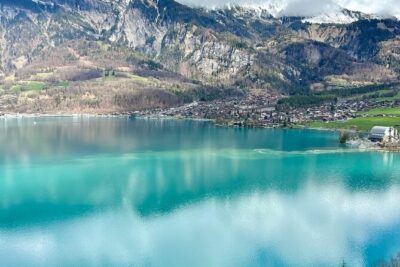
Airport Transfer: Zurich Airport ZRH to Zurich by Luxury Van
Read our review →
Private Transfer: Lucerne to Zurich Airport ZRH by Luxury Van
Read our review →